

Unveiling the Past: The Surprising Shift of the Mongol Empire Toward a New Faith
Many people today still ask one big question about history. Why did the Mongols adopt Islam? This puzzle has fascinated scholars for centuries. The fierce warriors who once swept across Asia under Genghis Khan later chose a new path. Why did the Mongols adopt Islam when their original ways were so different? In this easy-to-read guide, we will explore the full story step by step. We will look at leaders, lands, and reasons that changed everything. Why did the Mongols adopt Islam? The answers lie in politics, people, and practical needs.
The Mongol Empire started as one huge force. But after Genghis Khan died, it split into four main parts called khanates. Three of them turned to Islam. One did not. Why did the Mongols adopt Islam in some places but not others? We will answer that too. Get ready for a journey through time. You will see how conquerors became part of a bigger faith community.
The Early Days: Genghis Khan and Mongol Beliefs
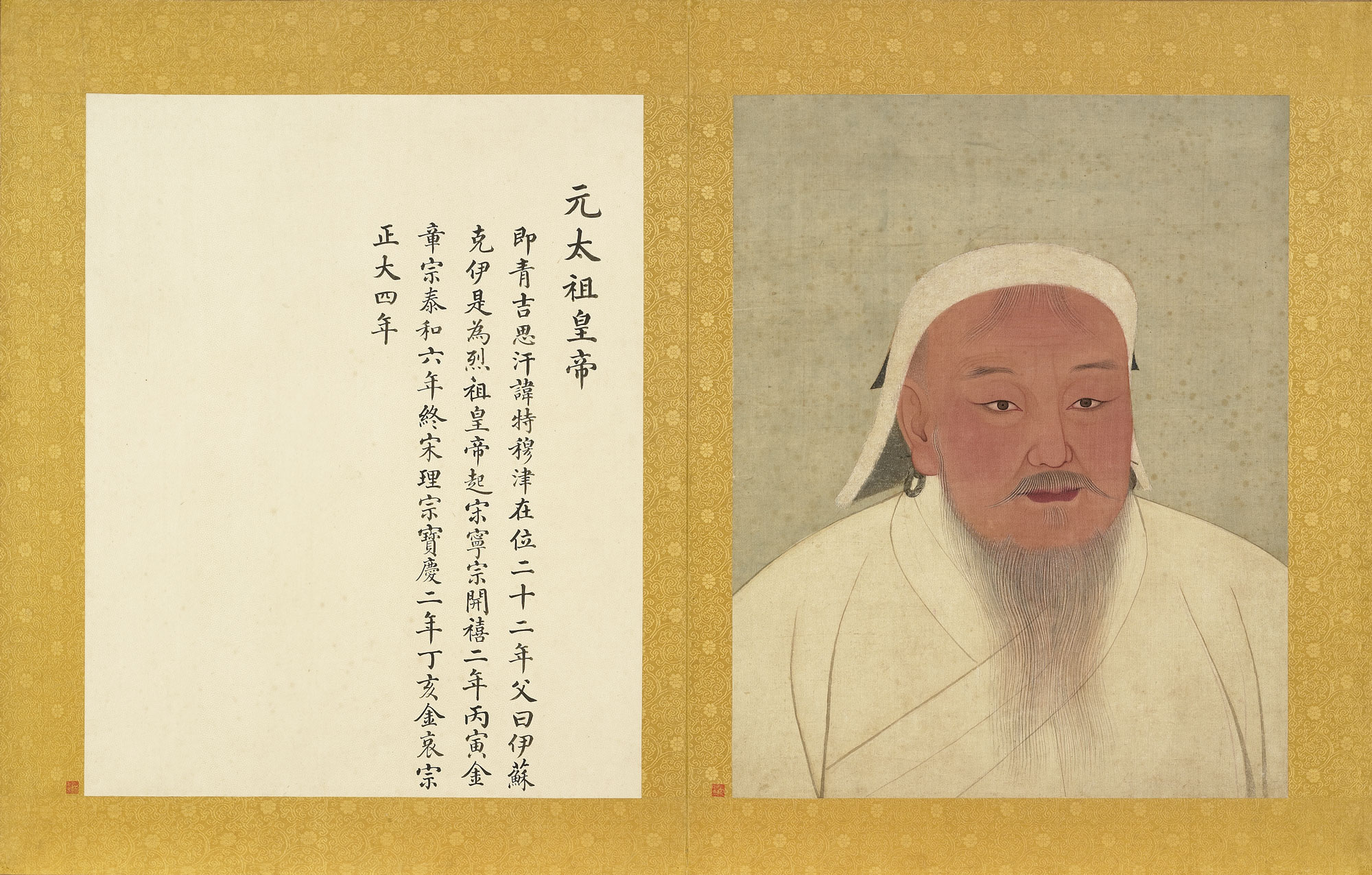
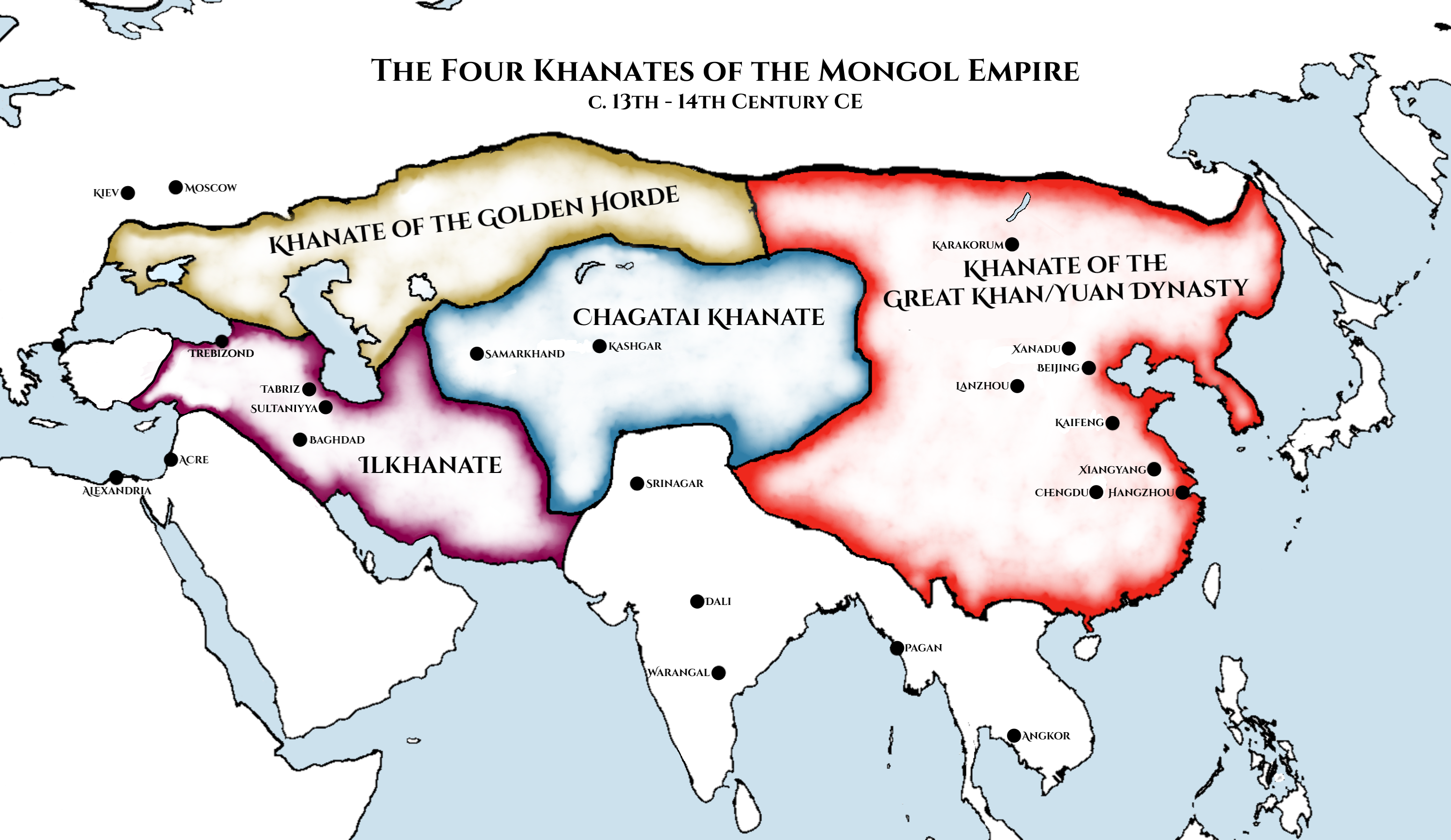
Before we dive deeper, let us go back to the start. Genghis Khan was born around 1162. He united the Mongol tribes. His army was unstoppable. They rode fast horses and used clever tactics. At first, the Mongols followed Tengri, the sky god. They also respected many other spirits. Shamans guided them with rituals.
Genghis Khan believed in religious freedom. His famous Yassa law code let people keep their own faiths. Christians, Buddhists, Muslims, and Jews could all live under Mongol rule. No one was forced to change. So why did the Mongols adopt Islam later? It was not sudden. It happened slowly after the empire broke into pieces.
The huge Mongol lands stretched from China to Europe. In the West, they met strong Muslim cities. In the east, they ruled over China. Different places had different people. This closeness to Muslims in Persia and Russia played a big role. Why did the Mongols adopt Islam? One simple reason was living next to millions of Muslims every day.
Historians point to the year 1258 as a turning point. That is when Hulagu Khan, a grandson of Genghis, destroyed Baghdad. The city was the heart of the Muslim world. Many Muslims felt deep pain. But this event also planted seeds for change. Why did the Mongols adopt Islam after such destruction? The story gets interesting here.
How the Empire Split: Four Khanates and Their Paths
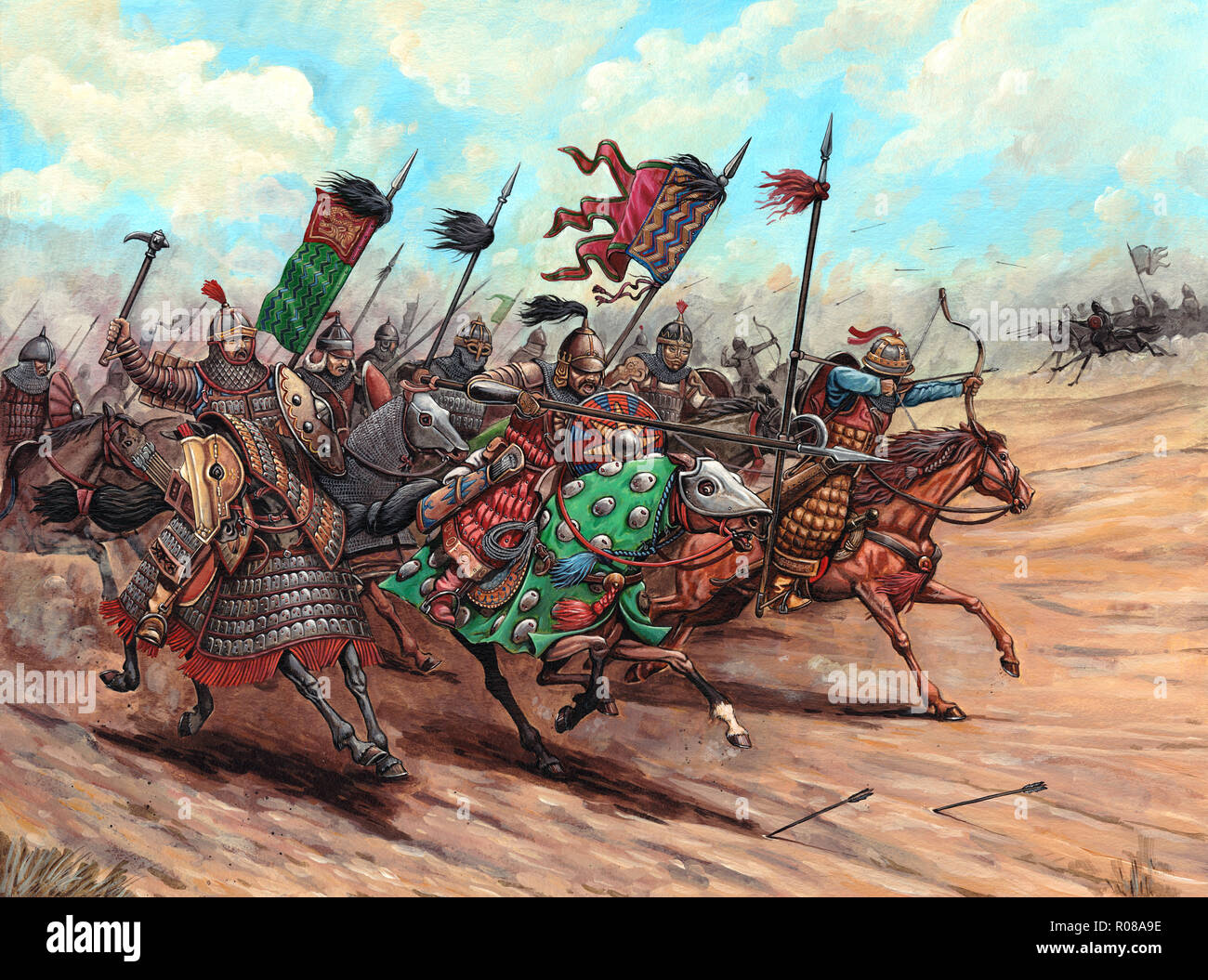
After Genghis Khan died in 1227, his sons and grandsons divided the lands. There were four main khanates:
- The Golden Horde in Russia and Eastern Europe
- The Ilkhanate in Persia and the Middle East
- The Chagatai Khanate in Central Asia
- The Yuan Dynasty in China
Why did the Mongols adopt Islam in three of these but not the fourth? The answer is simple. The western khanates ruled over mostly Muslim people. The eastern one ruled over mostly Chinese and Buddhist lands. Geography and daily life mattered a lot.
In the West, Mongol rulers saw huge Muslim populations. Traders, farmers, and scholars were Muslim. To rule well, the Mongols needed their support. Why did the Mongols adopt Islam? It helped them keep the peace and collect taxes smoothly.
The Yuan Dynasty in China chose a different way. They mixed with Chinese culture. Emperors there liked Buddhism and Confucianism. They even banned some Muslim practices like halal food for a while. Why did the Mongols adopt Islam everywhere else but not in China? The subjects were not Muslim, so there was no big push.
This split shows how smart the Mongols were. They changed with the land they ruled. Why did the Mongols adopt Islam? It was often about survival and smart rule.
The Golden Horde: Berke Khan Leads the First Big Change
The Golden Horde was the first khanate to turn toward Islam. Berke Khan ruled from 1257 to 1266. He was a grandson of Genghis Khan through his son Jochi. Berke became the first important Mongol leader to accept Islam.
Why did the Mongols adopt Islam under Berke? He was angry about the sack of Baghdad. His cousin Hulagu had destroyed the city and killed the Caliph. Berke felt this was wrong. He even sent armies to fight Hulagu. Berke made friends with the Mamluk rulers of Egypt. They were strong Muslims. This alliance stopped Mongol attacks on more Muslim lands.
Berke also met Muslim teachers. Some say Sufi holy men helped him understand the faith. He started praying five times a day and following Islamic rules. Many of his soldiers followed him. Why did the Mongols adopt Islam? Berke showed it could bring honor and strong allies.
Later, in 1313, Ozbeg Khan made Islam the official religion of the Golden Horde. He built big mosques. He stopped other old faiths in the court. The Golden Horde became a Muslim power. This change helped trade with Muslim countries. Merchants felt safe. Why did the Mongols adopt Islam? It opened doors to wealth and friendship.
The Ilkhanate: Ghazan Khan Makes a Bold Move
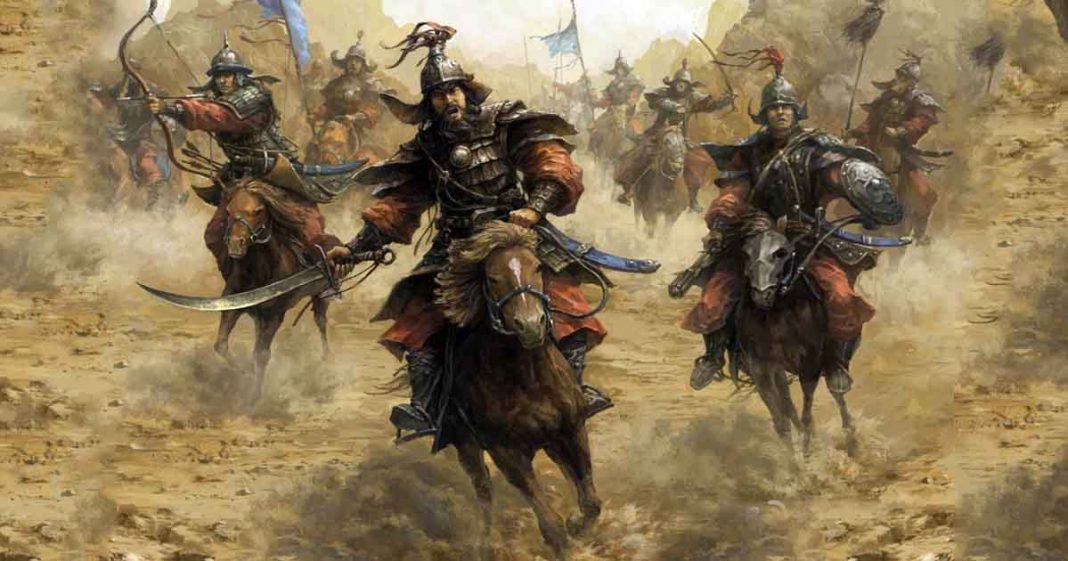
The Ilkhanate in Persia saw the most famous conversion. Ghazan Khan took the throne in 1295. He was a great-grandson of Genghis Khan. At first, he followed Buddhist and Christian ideas. But during a fight for power against his uncle Baydu, Ghazan changed.
Why did the Mongols adopt Islam at this time? Ghazan listened to a Muslim Mongol leader named Nawruz. Nawruz promised that becoming Muslim would win him army support. A Sufi teacher named Sadr al-Din also guided him. On June 17, 1295, Ghazan took a bath, put on new clothes, and said the words of faith. He took the name Mahmud.
Right after that, thousands of Mongols followed. Ghazan ordered Buddhist temples closed at first. But later, he became kind to other faiths too. Why did the Mongols adopt Islam? It gave Ghazan power in a land full of Muslims. Persian officials and scholars welcomed him. He fixed roads, built schools, and supported science.
Ghazan fought the Mamluks but also protected Muslim lands from other threats. He hired the great historian Rashid al-Din to write books. These books mixed Mongol and Muslim knowledge. Why did the Mongols adopt Islam? It helped create beautiful art and learning that still amazes us today.

The Power of Sufi Teachers and Personal Stories
Sufis were special Muslim holy men who traveled and taught with love and stories. They did not force anyone. Instead, they showed kindness and miracles. Many Mongols met Sufis in markets or camps.
Why did the Mongols adopt Islam through Sufis? These teachers understood Mongol ways. They talked about one God who rules the sky, like Tengri. Dreams and visions also played a part. Some leaders said they saw the Prophet in dreams. Why did the Mongols adopt Islam? Personal feelings and wise teachers made it feel right.
In the Chagatai Khanate, similar changes happened slowly. Rulers there also turned to Islam by the 1300s. The pattern was the same: live among Muslims, meet good teachers, and see benefits.
Main Reasons: Why Did the Mongols Adopt Islam?
Let us list the big answers clearly. Why did the Mongols adopt Islam? Here are the top reasons in simple words:
- Politics and Power – Rulers needed support from the Muslim people. Conversion brought loyalty and stopped rebellions.
- Alliances – Friends like the Mamluks helped in wars. Muslim partners meant stronger armies.
- Daily Life – Most subjects were Muslim. Sharing the faith made taxes and laws easier.
- Trade and Money – Muslim traders brought wealth. Same faith meant better deals on the Silk Road.
- Sufi Influence – Kind teachers won hearts without fighting.
- Legitimacy – Calling yourself a Muslim king made the rule feel fair and blessed by God.
- Cultural Mix – Mongols were good at borrowing good ideas. Islam offered laws, art, and knowledge.
Why did the Mongols adopt Islam for these reasons? They were practical people. They saw what worked and changed.
Some historians say it was not always a deep belief at first. But over time, it became real. Children grew up Muslim. Old customs faded. Why did the Mongols adopt Islam? It became part of who they were.

What Changed After the Conversion?
Life became different. In the Ilkhanate, new mosques rose. Beautiful domes and tiles appeared. Persian painting and books grew rich. The Mongols protected pilgrims going to Mecca.
In the Golden Horde, cities like Sarai became Muslim centers. Schools taught the Quran. Women kept some Mongol rights but followed new rules too.
Trade boomed. Chinese goods met Arab science. Why did the Mongols adopt Islam? It connected East and West even more.
The old Yassa law mixed with Sharia. New justice systems helped ordinary people. Wars slowed in some places because brothers in faith did not fight as easily.
Why the Yuan Dynasty Stayed Different
In China, the Yuan rulers did not convert. Why did the Mongols adopt Islam everywhere except here? The Chinese were not mostly Muslim. Buddhism and old Chinese ways felt closer. Kublai Khan and his family liked the Chinese emperors' style. They built palaces in Beijing and used exams for officials.
They even made rules against Muslim foodways for a time. This shows choice mattered. Why did the Mongols adopt Islam only where it fit the land? They were smart adapters.
Lasting Legacy: From Conquerors to Protectors
The Mongol turn to Islam changed the world. Later rulers like Timur mixed Mongol and Muslim ways. Big Muslim empires grew from these seeds.
Today, many people in Central Asia and Russia trace their roots to these changes. Why did the Mongols adopt Islam? It helped Islam spread and grow strong again after hard times.
The story reminds us that even fierce warriors can find peace in faith. It shows history is full of surprises.
Why did the Mongols adopt Islam? We have seen many answers: power, friends, teachers, and smart choices. The Mongols were not just destroyers. They also built and joined a great faith.
Why did the Mongols adopt Islam in the Golden Horde first? Berke's anger and alliances started it. Why did the Mongols adopt Islam in the Ilkhanate? Ghazan's need for support sealed it. Why did the Mongols adopt Islam across three khanates? Proximity and benefits made it happen. Why did the Mongols adopt Islam but skip China? Different people, different paths.
Why did the Mongols adopt Islam? It was a mix of heart, head, and history. This question has many layers, but each one teaches us about change.
Why did the Mongols adopt Islam? Their story shows how faith can turn enemies into family. Why did the Mongols adopt Islam? It gave them a new beginning after the conquests.
Why did the Mongols adopt Islam? Scholars still study it because the reasons touch politics, culture, and the soul. Why did the Mongols adopt Islam? The answer lies in their wisdom to adapt.
Why did the Mongols adopt Islam? This shift created beautiful mosques, books, and peace in many lands.
Why did the Mongols adopt Islam? It proves even the strongest armies can bow to greater ideas.
Why did the Mongols adopt Islam? Their journey from steppe warriors to Muslim rulers inspires many today.
Why did the Mongols adopt Islam? Let us remember their courage to change.
Disclaimer
This article is written for educational and informational purposes only. It is based on historical facts and does not aim to promote or criticize any religion. All views are presented neutrally. Readers should consult original scholarly sources for deeper study. The author is not responsible for any personal interpretations.
FAQs
1. When did the Mongols start to adopt Islam? The first big step came around 1257 with Berke Khan in the Golden Horde. Ghazan Khan followed in 1295 in the Ilkhanate.
2. Did every Mongol become Muslim? No. Only the western khanates fully shifted. The Yuan in China stayed mostly non-Muslim. Many common Mongols kept old ways for a long time.
3. Was the conversion forced? Mostly not. Leaders chose it for its benefits. Sufi teachers used gentle ways. Some soldiers followed their khans willingly.
4. What role did Sufis play? Sufis were key. They traveled, told stories, and showed kindness. Their message fit Mongol beliefs about one sky god.
5. Why did Berke Khan convert? He was upset by the destruction of Baghdad. He wanted revenge and made allies with Muslim Egypt.
6. How did Ghazan Khan change the Ilkhanate? He made Islam the main faith, supported learning, and built great works. Persian culture mixed with Mongol rule.
7. Did conversion stop Mongol wars? It slowed some fights between Muslim lands, but battles with non-Muslims continued.
8. What happened to old Mongol laws? The Yassa code is mixed with Islamic rules. New justice helped daily life.
9. Is the Mongol story important for Islam today? Yes. It shows how Islam welcomed new people and grew stronger through culture and art.
10. Where can I learn more? Read books by historians like Rashid al-Din or visit museums with Mongol artifacts.
References
- Wikipedia: Golden Horde (details on Berke and Ozbeg Khan conversions)
- Sacred Footsteps: "The Mongol Transition to Islam" (explains Ghazan’s story)
- Iranica Online: Article on Ghazan Khan (covers 1295 conversion events)
- World History Encyclopedia: Maps and khanate overviews
- Kings and Generals Podcast: Special on Mongol Islamization (proximity and Sufi roles)
- Rashid al-Din's historical writings (primary source summaries)
- Quora and academic discussions on Berke Khan's motivations
- Persian Language Online: Ilkhanid architecture examples
These sources helped build a clear picture. Thank you for reading this deep look into history!
