

Discovering the Amazing Story: From One Divine Message to Mighty Islamic Kingdoms
The story of Islam is one of the most inspiring journeys in human history. It started in a small cave and grew into huge empires that changed the world. People often ask how such a big change happened so fast. Islam Azeem Kesy bana: pehli wahi sy lekar akhri islami saltanate tak? This simple question takes us from the first moment of light in a dark cave to the grand palaces and mosques of the last big Islamic rule. In this easy guide, we will walk slowly through every important step. We will see brave people, smart ideas, and strong faith that made everything possible. Islam Azeem Kesy bana: pehli wahi sy lekar akhri islami saltanate tak? Let us begin at the very start in the year 610 CE.
Arabia before Islam was a tough land. Hot deserts, many tribes, and no single leader. People worshipped many idols. Fights between tribes were common. Women and poor people had few rights. But in this hard place, a man named Muhammad was known for his honesty. Everyone called him Al-Amin, the trustworthy. He liked to think alone in a cave on a mountain near Mecca. That cave is called Hira. One night, something wonderful happened there.
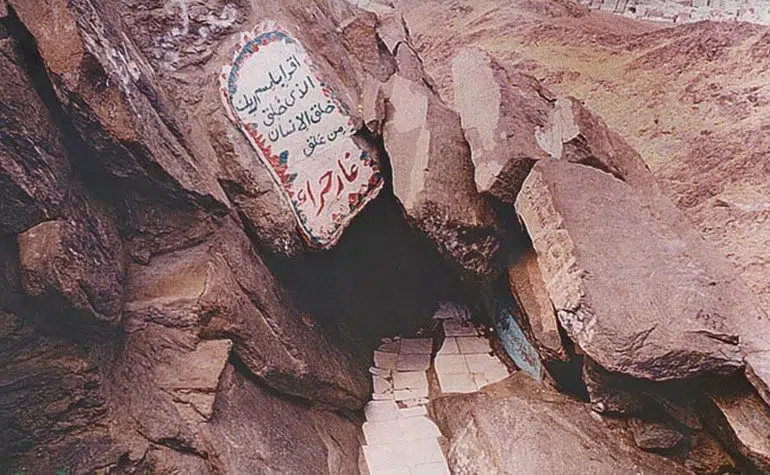
Angel Jibril came with the first message from God. “Read!” he said. This was the first wahi, or revelation. The words told about one God and kindness to people. Muhammad was scared at first, but his wife Khadija helped him. She said it was good news. This moment in the cave changed everything. Islam Azeem Kesy bana: pehli wahi sy lekar akhri islami saltanate tak? It started with these simple words in a quiet cave.
For three years, the new message stayed secret. Only close family and friends knew. Then the Prophet started telling everyone in Mecca. He said stop worshipping stones. Believe in one Allah. Be kind to slaves and orphans. Many poor people liked the message. But rich leaders of Mecca got angry. They did not want to lose their power and money from idols. They hurt the new Muslims. Some were beaten. Some had to leave their homes. But the faith grew stronger because of these hard tests.
The Prophet and his friends faced big problems. One sad time was when his uncle, Abu Talib, and his wife, Khadija, both died. Enemies became bolder. The people of Mecca planned to kill the Prophet. At this dark time, a city called Yathrib sent help. They invited the Muslims to come live with them. This move is called Hijrah. It was the year 622 CE. This year became the start of the Muslim calendar.

The Prophet left Mecca at night with his friend Abu Bakr. They hid in a cave. God protected them with a spider web and a bird nest. When they reached Yathrib, the city changed its name to Madinah, the city of the Prophet. Here, the first Muslim country started. Islam Azeem Kesy bana: pehli wahi sy lekar akhri islami saltanate tak? The Hijrah turned a small group into a real community with laws and peace.
In Madinah, the Prophet made a special agreement called the Constitution of Madinah. It said all people – Muslims, Jews, and others – would live like brothers. Everyone had rights. This was new in Arabia. The Muslims built a simple mosque. They prayed together and helped each other. But the enemies in Mecca did not stop. They sent big armies to attack.
The first big fight was the Battle of Badr in 624 CE. Only 313 Muslims faced 1,000 enemies. But with strong faith and smart plans, the Muslims won. This victory gave hope. Later, the Battle of Uhud had ups and downs. Then the Battle of the Trench showed clever defense. In 630 CE, the Prophet returned to Mecca with 10,000 men. But he did not take revenge. He forgave everyone. The idols were removed from the Kaaba. Mecca became the heart of Islam.
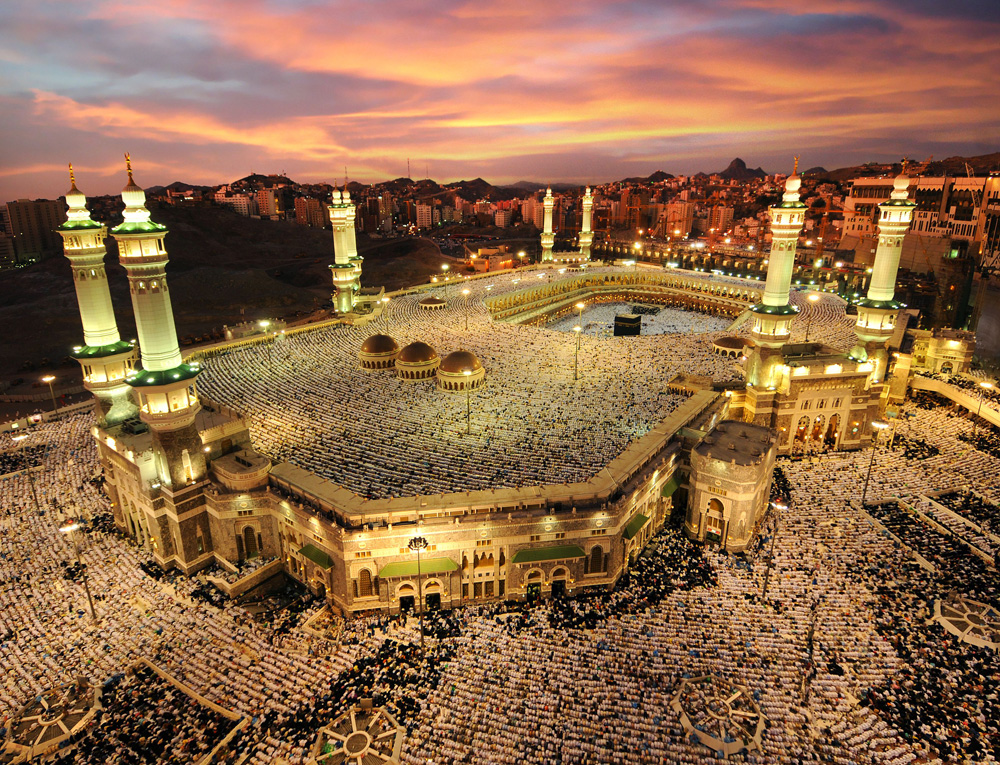
After the Prophet passed away in 632 CE, his close friend Abu Bakr became the first caliph. Some tribes tried to leave Islam. Abu Bakr fought the wars of apostasy and kept the community together. Next came Umar, the second caliph. Under him, Islam grew very fast. Syria, Egypt, and Persia came under Muslim rule. People were happy because taxes were fair and justice was quick. Islam Azeem Kesy bana: pehli wahi sy lekar akhri islami saltanate tak? The first caliphs showed how faith and good rule can build big lands.
Then came Uthman and Ali. They faced some problems but kept the message alive. These four leaders are called the Rashidun, the rightly guided. In just 30 years, the small group from the cave became a huge empire. Maps show how fast it spread.

The Umayyad family took over next in 661 CE. They moved the capital to Damascus. Their armies went to North Africa and Spain. They even reached France. The famous general Tariq bin Ziyad crossed to Gibraltar. Muslims ruled in Europe for hundreds of years. Art, buildings, and science started to grow. Beautiful mosques with colorful tiles appeared. Islam Azeem Kesy bana: pehli wahi sy lekar akhri islami saltanate tak? The Umayyads made Islam reach faraway places and mixed with new cultures.
But some people were not happy with the Umayyads. They wanted more justice. In 750 CE, the Abbasids took power. They moved the capital to Baghdad. This time is called the Golden Age. Scientists, doctors, and thinkers came from everywhere. Al-Khwarizmi invented algebra. Ibn Sina wrote big medical books. They translated Greek and Indian knowledge. The House of Wisdom in Baghdad was like a big university. People from all religions worked together.
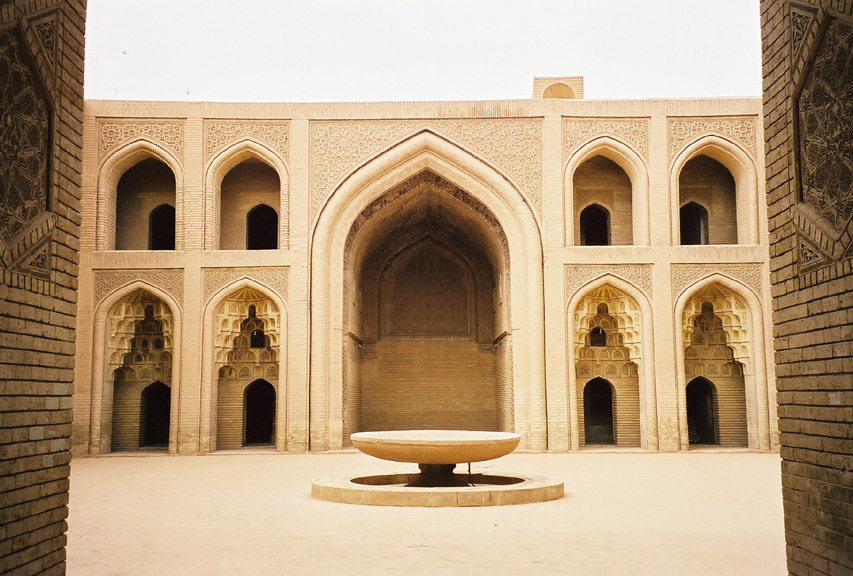
The Abbasid rulers loved books and learning. Trade grew on the Silk Road. Muslims took paper from China and made books cheaply. Cities like Cordoba in Spain had street lights and libraries with thousands of books when Europe was in darkness. Islam Azeem Kesy bana: pehli wahi sy lekar akhri islami saltanate tak? The Abbasids proved that faith plus knowledge can create wonders.
Later, the empire became big but weak in the center. New groups like the Seljuks and Fatimids rose. Crusaders came from Europe, but Muslims fought back under leaders like Salahuddin. Then the Mongols attacked Baghdad in 1258 and destroyed many things. But Islam did not die. New powers rose again.
In India, the Delhi Sultanate started. Later, the Mughal Empire made beautiful buildings like the Taj Mahal. They mixed Persian and Indian art. In Turkey, the Ottoman Empire became the strongest. They took Constantinople in 1453. This ended the old Byzantine Empire.
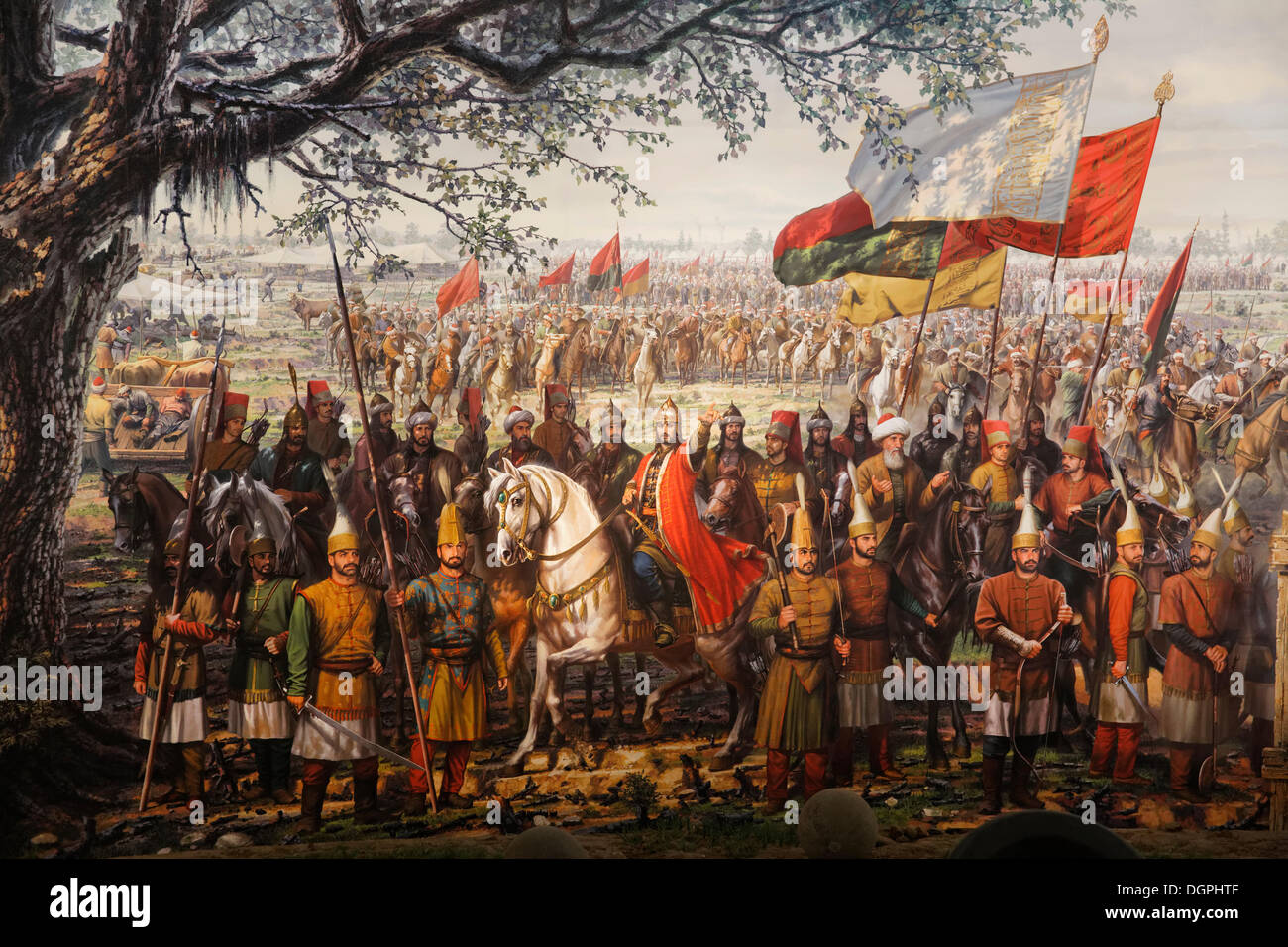
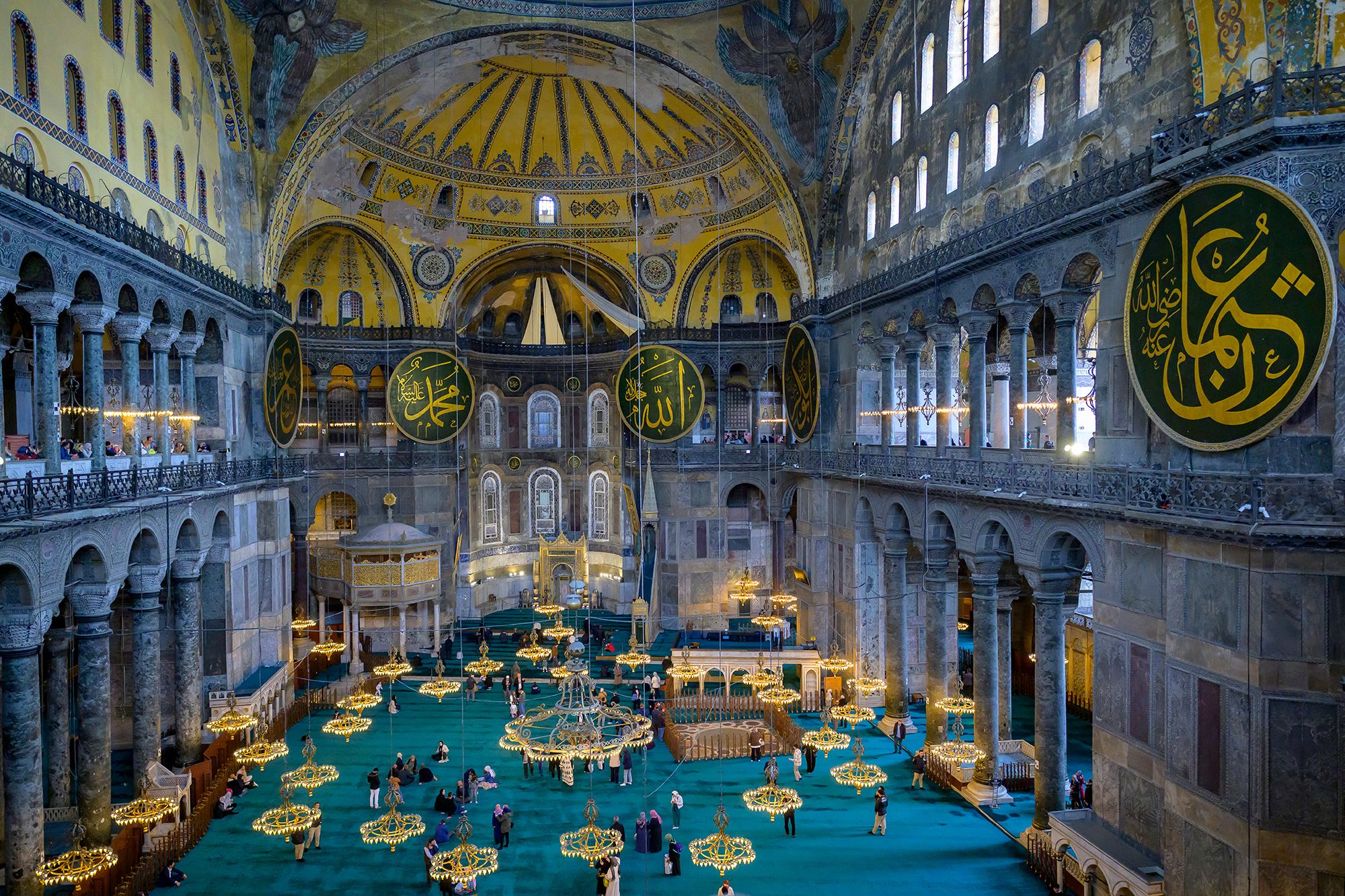
Sultan Mehmed II was only 21 but very smart. His army used big cannons. After the victory, the great church Hagia Sophia became a mosque. The Ottomans ruled for 600 years. They controlled three continents. Their sultans were also caliphs. Justice, hospitals, and schools helped millions. Suleiman the Magnificent made great laws. Islam Azeem Kesy bana: pehli wahi sy lekar akhri islami saltanate tak? The Ottomans showed the last big example of Islamic power and beauty.
The Ottoman Empire is seen as the akhri islami saltanate, the last big one. It ended in 1924 when the caliphate was removed. But the spirit of Islam stayed alive in hearts. From the first wahi in the cave to these grand empires, the journey was full of tests and victories.
Why did Islam become so great? First, the message was simple and fair. One God, equality, charity, and justice. Second, the Prophet and his companions lived the message. They were honest and brave. Third, the rules helped society. Poor people got help. Women got rights to property and education. Fourth, Muslims loved learning. They built on old knowledge and added new ideas. Fifth, they were good at ruling large areas fairly. People of different faiths lived peacefully under Muslim rule.
Many scientists were Muslim. Al-Razi discovered medicines. Ibn al-Haytham started modern optics. They invented the astrolabe for navigation. In art, beautiful calligraphy and geometric patterns decorated mosques. Gardens, fountains, and hospitals showed care for people. Islam Azeem Kesy bana: pehli wahi sy lekar akhri islami saltanate tak? All these things together made Islam strong and admired.
Even after the last empire, Islam keeps growing. Today, more than 1.8 billion people follow it. Mosques are in every country. The Quran is read by millions every day. The faith gives peace in hard times. It teaches respect for parents, neighbors, and nature.
Let us look again at the full journey. From the quiet cave on Mount Hira to the shining domes of Ottoman mosques, the path was long but bright. Many brave men and women faced hunger, war, and hate,e but never left the truth. Islam Azeem Kesy bana: pehli wahi sy lekar akhri islami saltanate tak? The answer lies in the power of one God and good character.
In the early days, the focus was on faith and family. In Madinah, it became a community and state. With the Rashidun, it became an empire. Umayyads spread it widely. The Abbasids made it shine with knowledge. Ottomans gave it glory and order till the end. Each step added something special. Islam Azeem Kesy bana: pehli wahi sy lekar akhri islami saltanate tak? Every part teaches us how faith can change the world.
Many books and maps show this growth. Historians say no other movement spread so fast and stayed so strong. The secret was balance – prayer and action, faith and science, mercy and strength. Islam Azeem Kesy bana: pehli wahi sy lekar akhri islami saltanate tak? This balance made it azeem, or great.
Today ,ay we can learn from this history. Young people can study science like the Abbasids. Leaders can learn justice from the Prophet. Everyone can learn kindness from the early Muslims. The story is not just old tales. It is a guide for a better life.
Islam Azeem Kesy bana: pehli wahi sy lekar akhri islami saltanate tak? The question has a long and beautiful answer. It started with “Iqra” – read. It grew with courage. It became big with wisdom. It lasted because of faith in one Allah.
Islam Azeem Kesy bana: pehli wahi sy lekar akhri islami saltanate tak? Even the last sultanate left beautiful lessons. The Ottomans protected holy places and helped poor Muslims everywhere.
Islam Azeem Kesy bana: pehli wahi sy lekar akhri islami saltanate tak? From one man in a cave to millions across continents, the journey shows what is possible with true belief.
Islam Azeem Kesy bana: pehli wahi sy lekar akhri islami saltanate tak? This is the story we must remember and share.
Islam Azeem Kesy bana: pehli wahi sy lekar akhri islami saltanate tak? Let us take the good parts and build a better tomorrow.
Islam Azeem Kesy bana: pehli wahi sy lekar akhri islami saltanate tak? The light from that first wahi still shines after 1,400 years.
Islam Azeem Kesy bana: pehli wahi sy lekar akhri islami saltanate tak? Yes, this is how a small seed in Arabia became a great tree covering the world.
Islam Azeem Kesy bana: pehli wahi sy lekar akhri islami saltanate tak? The final empire may have ended, but the message lives forever.
Disclaimer
This article is only for learning and information. It tells the history in simple words from well-known facts. It does not mean to hurt any feelings or support any group. Readers shouldcheck thek original books and talk to scholars for more understanding. The writer is not responsible for personal views.
FAQs
1. When did the first revelation happen? It was in 610 CE in Cave Hira near Mecca when Angel Jibril came to Prophet Muhammad.
2. What is Hijrah and why is it important? Hijrah is the move from Mecca to Madinah in 622 CE. It started the Muslim calendar and a new community.
3. Which battle gave the first big victory? The Battle of Badr in 624 CE, where a small Muslim army won against a big force.
4. Who were the Rashidun caliphs? Abu Bakr, Umar, Uthman, and Ali – the first four leaders after the Prophet.
5. What made the Abbasid time the Golden Age? They built the House of Wisdom and supported science, medicine, and the translation of books.
6. Which empire took Constantinople? The Ottoman Empire under Sultan Mehmed II in 1453 CE.
7. When did the last big Islamic empire end? The Ottoman Empire ended its caliphate in 1924.
8. Why did Islam spread so fast? Fair rules, good treatment of new people, and strong faith helped it grow.
9. What did Muslims give to the world? New numbers, medicine, maps, paper making, and beautiful architecture.
10. Can we still learn from this history today? Yes, it teaches justice, learning, unity, and kindness for modern life.
References
- Wikipedia: Timeline of Islamic History (clear dates and events)
- BBC Religions: Early History of Islam (simple overviews)
- History.com: Rise of Islam and Caliphates
- Al-Islam.org: Life of Prophet Muhammad (detailed early period)
- Muslim Heritage: Golden Age Science and Inventions
- Ottoman History sources: Conquest of Constantinople details
- World History Encyclopedia: Maps of Islamic Expansion
- Sacred texts and Quran translations for basic messages
Thank you for reading this long journey. May it bring more knowledge and respect for history!
