

Islamic and non-Islamic concepts of prophethood and messengership
In simple terms, people have always sought guidance from a higher power. They want to know how to live rightly, how to treat others, and what happens after life ends. One important way God helps humans is by sending special persons called prophets and messengers. This idea is known as نبوت و رسالت کا اسلامی اور غیر اسلامی تصور. It shows how Islam sees prophethood and messengership and how other religions see the same thing in their own ways.
نبوت و رسالت کا اسلامی اور غیر اسلامی تصور is a deep topic that helps us understand why God chooses certain people to deliver His message. In easy language, a prophet is someone who receives words from God and shares them with the world. Some bring new rules, while others remind people of old rules. We will explore this step by step so that even a school student can understand.
Many questions come to our minds. Is the Islamic view different from others? Why does Islam say the last prophet was Prophet Muhammad (peace be upon him)? How do Christians, Hindus, or Buddhists think about great teachers? نبوت و رسالت کا اسلامی اور غیر اسلامی تصور answers all these questions. Let us begin our journey with an open heart and a simple mind.

The Holy Quran is the final book in Islam that explains نبوت و رسالت کا اسلامی اور غیر اسلامی تصور very clearly. It tells us that from the beginning of human life, God never left people alone. He always sent guides. This makes the topic very important for everyone who wants to live a peaceful life.
What Does نبوت و رسالت کا اسلامی اور غیر اسلامی تصور Mean in Islam?
In Islam, نبوت و رسالت کا اسلامی اور غیر اسلامی تصور is based on two main words: Nubuwwah and Risalah. Nubuwwah means prophethood. A Nabi (prophet) is a person chosen by Allah to receive messages. He teaches people good manners, prayer, honesty, and kindness.
Risalah means messengership. A Rasool (messenger) is a special prophet who also brings a new set of complete laws, known as Shariah. Every Rasool is a Nabi, but not every Nabi is a Rasool. This difference is very important in نبوت و رسالت کا اسلامی اور غیر اسلامی تصور.
Islam says there were more than 124,000 prophets. Only 25 are mentioned by name in the Quran. The first prophet was Hazrat Adam (peace be upon him). He was also the first human. After him came many others like Hazrat Nuh (Noah), Hazrat Ibrahim (Abraham), Hazrat Musa (Moses), Hazrat Isa (Jesus), and finally Hazrat Muhammad (peace be upon him).
Prophet Muhammad (peace be upon him) is the last Rasool. No new prophet or messenger will come after him. This is a key point in نبوت و رسالت کا اسلامی اور غیر اسلامی تصور. The Quran says: “Muhammad is not the father of any of your men, but he is the Messenger of Allah and the seal of the prophets.” This seal means the door of prophethood is closed forever.
Why did Allah send so many prophets? Because humans forget easily. They need reminders again and again. In نبوت و رسالت کا اسلامی اور غی اسلامی تصور, Islam teaches that all prophets conveyed the same basic message: believe in one God, do good deeds, and avoid evil. However, the laws evolved in response to the changing times and needs of the people.
For example, Hazrat Musa brought the Torah for the children of Israel. Hazrat Isa brought the Injeel (Gospel). And Hazrat Muhammad brought the Quran, which is for all people till the end of the world. This shows the beauty and completeness of نبوت و رسالت کا اسلامی اور غیر اسلامی تصور in Islam.
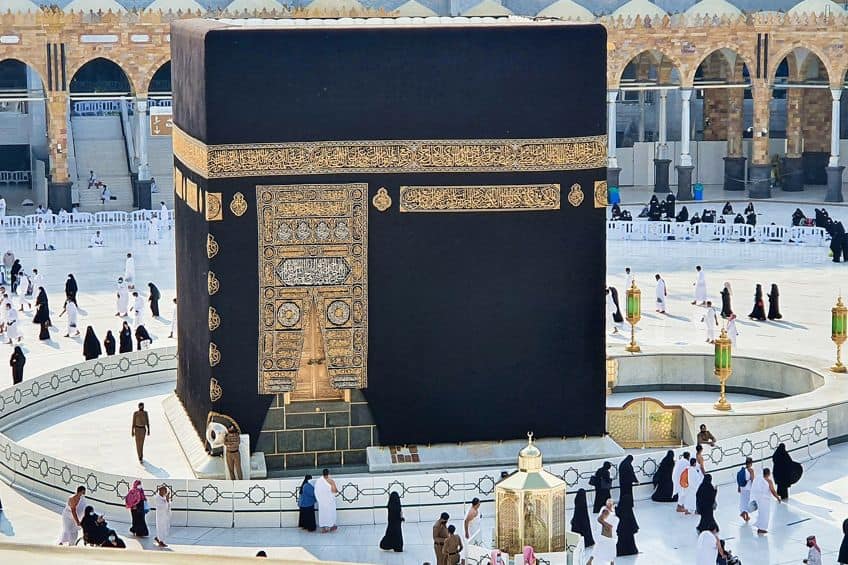
The Kaaba in Makkah is a holy place connected with many prophets. It reminds us how the Islamic and non-Islamic concepts of نبوت و رسالت started with Hazrat Ibrahim and reached their final stage with Hazrat Muhammad (peace be upon him). Muslims go there for Hajj and feel close to the message of all prophets.
Let us briefly understand the lives of some prophets. Hazrat Adam taught his children to worship only one God. Hazrat Nuh warned people about a big flood if they did not stop their bad habits. Hazrat Ibrahim broke idols and taught pure belief in one Allah. Hazrat Musa fought against the cruel king Firaun and gave the Ten Commandments.
In Islam, Hazrat Isa is a great prophet and messenger, but not the son of God. He was born without a father by the power of Allah. He performed miracles, such as creating a bird from clay and healing the sick. However, his message was later completed by the last prophet.
The last prophet, Hazrat Muhammad (peace be upon him), lived in Makkah and Madinah. He received the first revelation in the Cave of Hira at the age of 40. For 23 years, he taught the Quran. He showed perfect character. People called him “the honest one” even before he became a prophet. His life is the best example for Muslims today.
نبوت و رسالت کا اسلامی اور غیر اسلامی تصور in Islam also tells us that prophets are human beings. They eat, sleep, and feel emotions. They never claim to be God. They only deliver the message. This represents a significant difference from other beliefs.
Every Muslim must believe in all prophets. If someone believes in only one and rejects others, his faith is not complete. This unity of all prophets is the strength of نبوت و رسالت کا اسلامی اور غیر اسلامی تصور in Islam.
The benefits of following this concept are many. It gives peace of mind, clear rules for daily life, and hope for the Day of Judgment. Muslims pray five times a day, give charity, fast during Ramadan, and perform Hajj because the last messenger taught them these practices.
In short, the Islamic view of نبوت و رسالت کا اسلامی اور غیر اسلامی تصور is clear, complete, and final. It guides billions of people even today.
نبوت و رسالت کا اسلامی اور غیر اسلامی تصور in Other Religions
Now we move to the non-Islamic side of نبوت و رسالت کا اسلامی اور غیر اسلامی تصور. Different religions have their own ideas about prophets and great teachers. Let us study them one by one in easy words.
In Judaism
Judaism is the oldest of the three Abrahamic religions. In Jewish نبوت و رسالت کا اسلامی اور غیر اسلامی تصور, prophets are called “Navi”. They speak for God. The most important prophet is Hazrat Musa (Moses). He received the Torah on Mount Sinai. The Ten Commandments are the basic laws.
Other prophets, such as Isaiah, Jeremiah, and Ezekiel, delivered messages about justice and the need to return to God. Jews believe that the age of prophecy ended after the time of Malachi. They wait for a future Messiah, but they do not accept later prophets, such as Jesus or Muhammad. This is one difference in نبوت و رسالت کا اسلامی اور غیر اسلامی تصور.
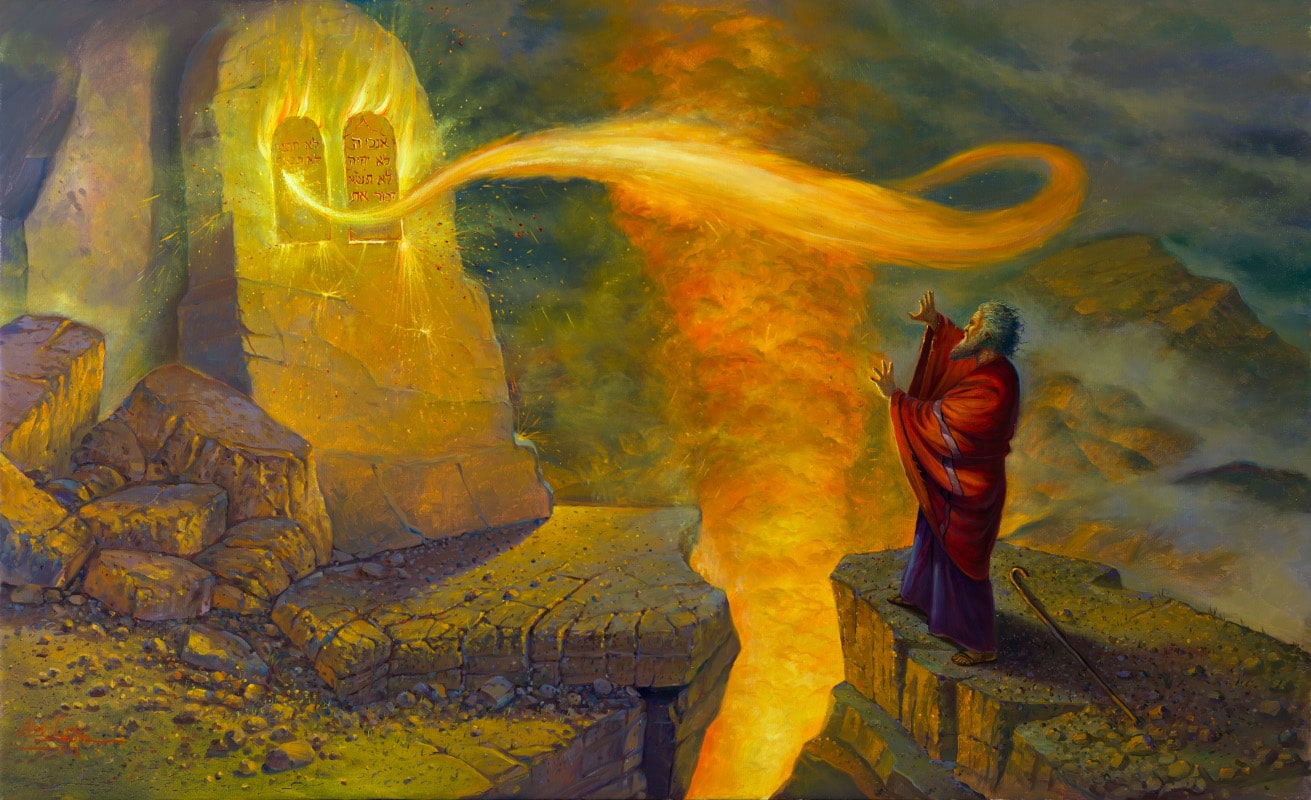
Moses holding the Ten Commandments is a powerful symbol in Jewish tradition. It shows how نبوت و رسالت کا اسلامی اور غیر اسلامی تصور started with clear laws for the people of Israel.
In Christianity
Christians respect many prophets from the Old Testament. But the center of their faith is Jesus Christ. In Christian نبوت و رسالت کا اسلامی اور غیر اسلامی تصور, Jesus is called the Son of God, not just a prophet. He is part of the Trinity.
Yet Jesus himself said he came to fulfill the law, not to destroy it. He performed miracles and taught the importance of love and forgiveness. After him, his followers (apostles) spread the message. Christians believe the Bible (Old and New Testaments) is the final word. They do not accept any prophet after Jesus. This view differs from Isla,m where Jesus is a respected prophet but not divine.
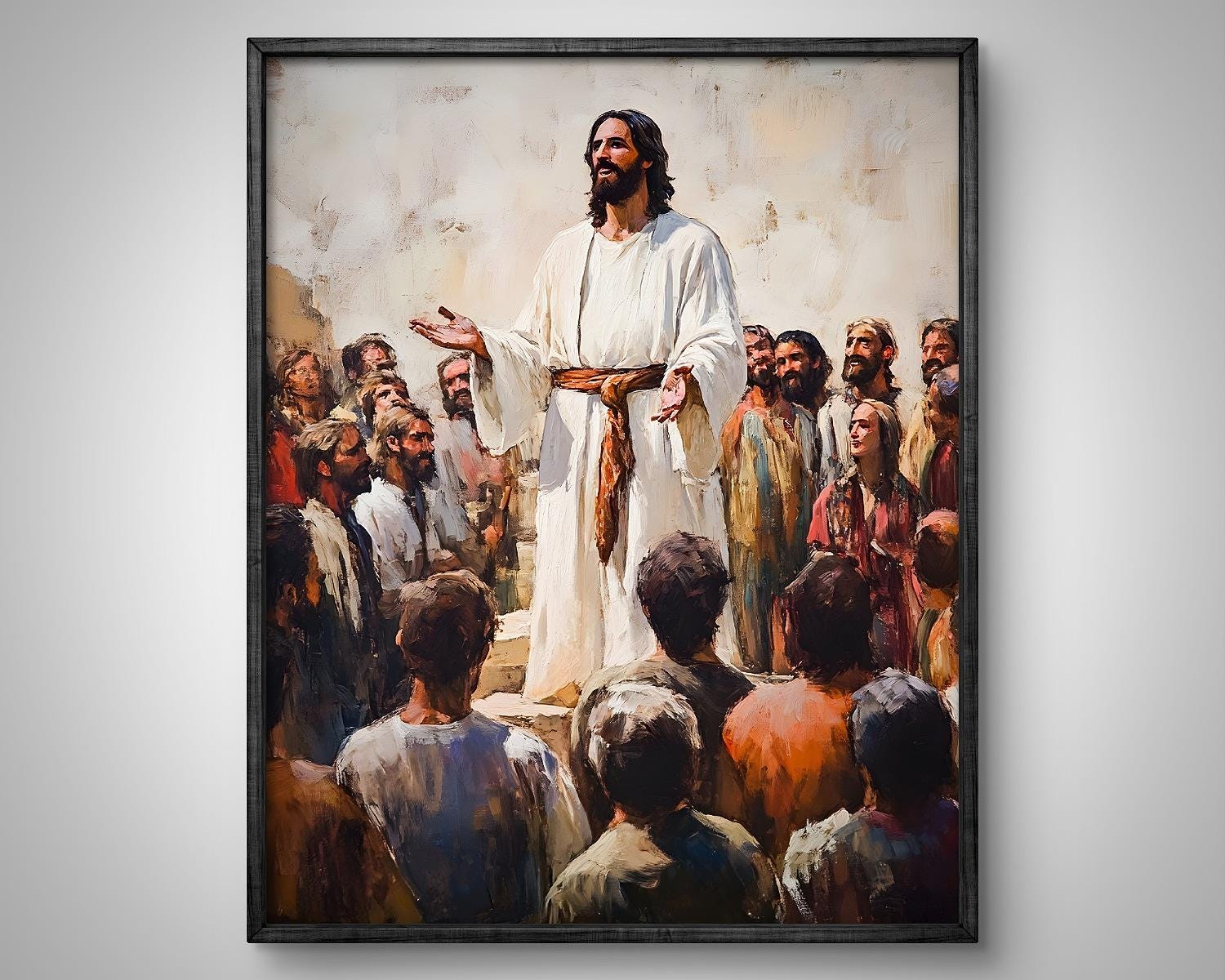
Jesus teaching his disciples is a common image in Christian art. It reflects how نبوت و رسالت کا اسلامی اور غیر اسلامی تصور focuses on love and salvation in Christianity.
In Hinduism
Hinduism is very old and has many gods and teachers. In Hindu نبوت و رسالت کا اسلامی اور غیر اسلامی تصور, there is no single prophet like in Islam. Instead, there are “Avatars” – divine incarnations. Lord Vishnu comes to earth in different forms when evil increases.
The most famous avatars are Lord Rama and Lord Krishna. Krishna gave the Bhagavad Gita to Arjuna. It teaches duty, devotion, and knowledge. Rishis (sages) also received divine knowledge and wrote the Vedas.
Hinduism believes God can take human form again and again. This is very different from Islam, where God never takes humans for granted,m and the last messenger has already come. Yet both teach moral living and truth.

Lord Krishna preaching the Bhagavad Gita to Arjuna is a beautiful scene that shows the Hindu side of نبوت و رسالت کا اسلامی اور غیر اسلامی تصور. It focuses on wisdom and duty.
In Buddhism
Buddhism does not believe in a creator God. The concept of prophethood is different. In Buddhist نبوت و رسالت کا اسلامی اور غیر اسلامی تصور, Gautama Buddha is not a messenger from God. He is an enlightened teacher who found the path to end suffering.
Buddha was a prince who left his palace to meditate under the Bodhi tree. He discovered the Four Noble Truths and the Eightfold Path. After enlightenment, he taught for 45 years. Buddhists follow his teachings but do not call him a prophet sent by God.
This is a big contrast with Islamic نبوت و رسالت کا اسلامی اور غیر اسلامی تصور, where everything starts from the command of one Allah.

Gautama Buddha meditating under the Bodhi tree is a peaceful image that represents the Buddhist understanding of great teachers in نبوت و رسالت کا اسلامی اور ر اسلامی تصور.
In Other Beliefs
Zoroastrianism (an ancient Persian religion) believes in Prophet Zoroaster, who received messages from Ahura Mazda. He taught about good thoughts, good words, and good deeds.
In modern secular thinking, some people say there are no prophets at all. They see great leaders like Mahatma Gandhi or Martin Luther King as moral guides only.
So, نبوت و رسالت کا اسلامی اور غیر اسلامی تصور changes a lot from one faith to another. Some view prophets as humans, some as divine, and some as wise teachers.
Comparison: Similarities and Differences in نبوت و رسالت کا اسلامی اور غیر اسلامی تصور
When we compare all these views, we find some common points in نبوت و رسالت کا اسلامی اور غیر اسلامی تصور. Every religion agrees that good guidance is needed for humans. Grepeopleons appear to teach honesty, justice, and love. Miracles or special wisdom are often linked with them.
But differences are also clear. In Islam, prophets are human beings, and the message is finalized in the Quran. In Christianity, Jesus is divine. In Hinduism, avatars are God in human form. Buddhism removes the idea of a sending God completely.
Islam says that all earlier messages were true, but people changed them over time. That is why the last complete message came. Other religions usually stop at their own founder.
Another difference is the number of prophets. Islam accepts thousands. Judaism and Christianity accept many, but not after a certain time. Hinduism has avatars and rishis without limit.
نبوت و رسالت کا اسلامی اور غیر اسلامی تصور teaches us tolerance. We can respect other views while holding our own faith strongly. Understanding these differences is crucial for building peace in today’s complex world.
Many people ask why God chose different ways for different times and places. In Islam, the answer is that Allah knows best. He sent messages according to the needs of each nation.
Why Understanding نبوت و رسالت کا اسلامی اور غیر اسلامی تصور Is Important Today
In our fast world of science and technology, people still need moral guidance. نبوت و رسالت کا اسلامی اور غیر اسلامی تصور gives answers to big questions like “Who am I?” and “What is my purpose?”
It teaches respect for all prophets. It stops us from fighting over religion. It shows that the basic message of all true guides was the same: worship one God and be kind to creation.
Parents can teach their children these ideas in simple words. Schools can include comparative religion in a respectful way. This will create better citizens.
نبوت و رسالت کا اسلامی اور غیر اسلامی تصور also gives hope. It says God never forgets His creation. He always sends help when needed. Even today, by following the last prophet’s example, we can help solve many problems, such as injustice, poverty, and hatred.
In the end, نبوت و رسالت کا اسلامی اور غیر اسلامی تصور reminds us that we are all children of the same God. We should live together with love and understanding.
Disclaimer
This article is written for educational and informational purposes only. It explains religious ideas in simple words and does not aim to hurt any faith or group. Every religion has its own respected views. Readers should consult with qualified scholars or religious leaders for personal guidance. The writer respects all beliefs and encourages peace and understanding among people.
FAQs
1. What is the main difference between a Nabi and a Rasool in Islam? A Nabi is a prophet who receives messages. A Rasool brings a new complete law. All Rasools are Nabis, but not all Nabis are Rasools.
2. Is Jesus a prophet in Islam? Yes, Hazrat Isa (Jesus) is a respected prophet and messenger in Islam. He is not the son of God.
3. Why does Islam say Muhammad (peace be upon him) is the last prophet? Because the Quran says he is the seal of the prophets. No new message or law is needed after the completion of the Quran.
4. How does Hinduism view prophets? Hinduism discusses avatars and rishis, rather than prophets. They believe God comes in human form many times.
5. Does Buddhism have the concept of prophethood? No. Buddha is an enlightened teacher, not a messenger sent by God.
6. Can we respect prophets of other religions? Yes. Islam teaches us to believe in all prophets. Respecting them is part of our faith.
7. Why should we study نبوت و رسالت کا اسلامی اور غیر اسلامی تصور? It helps us understand other people, live in peace, and follow the right path in our own lives.
8. Where can I read more about this topic? Read the Quran, reliable Islamic books, and respectful books about other religions.
References
- The Holy Quran (translated by Dr. Muhammad Taqi-ud-Din Al-Hilali and Dr. Muhammad Muhsin Khan).
- The Bible (Old and New Testaments).
- Bhagavad Gita (translated by Swami Prabhupada).
- Britannica Encyclopedia – Entry on “Prophet” and “Prophethood”.
- “Stories of the Prophets” by Ibn Kathir (Islamic book).
- Official website of Buddhism – Basic teachings of Buddha.
- Wikipedia pages on Nubuwwah, Jesus in Islam, and Avatars in Hinduism (for basic reference only).
Thank you for taking the time to read this lengthy and detailed article.
