

Sultan Suleiman and Harem Intrigues: Did They Seal the Fate of the Ottoman Empire?
The story of the mighty Ottoman Empire often brings one name to mind: Sultan Suleiman. He ruled for 46 years and turned the empire into a superpower. But many history lovers ask a big question today. Did the secret plots and fights inside his palace harem actually weaken the empire and start its long slide toward trouble?
This article looks closely at the life of Sultan Suleiman, his amazing wins in war, his smart laws, and the powerful women in his private palace world. We will explore the love story with Hurrem Sultan, the sad family fights, and whether those harem intrigues really ruined the Ottoman Empire. You will learn simple facts, real events, and different opinions from historians. By the end, you will decide for yourself.

Who Was Sultan Suleiman?
Sultan Suleiman was born on November 6, 1494, in the city of Trabzon. His father was Selim I, a strong sultan, and his mother was Hafsa Sultan. From a young age, Sultan Suleiman studied hard. He learned science, history, poetry, religion, and how to fight in wars. At just 17 years old, he became the governor of a small province to practice ruling.
In 1520, when his father died, Sultan Suleiman became the tenth Ottoman sultan at age 26. People who met him said he was tall, slim, kind, and very smart. He loved reading books and listening to music. Sultan Suleiman wanted to make his empire bigger and stronger than ever before. He quickly started big plans that changed history.
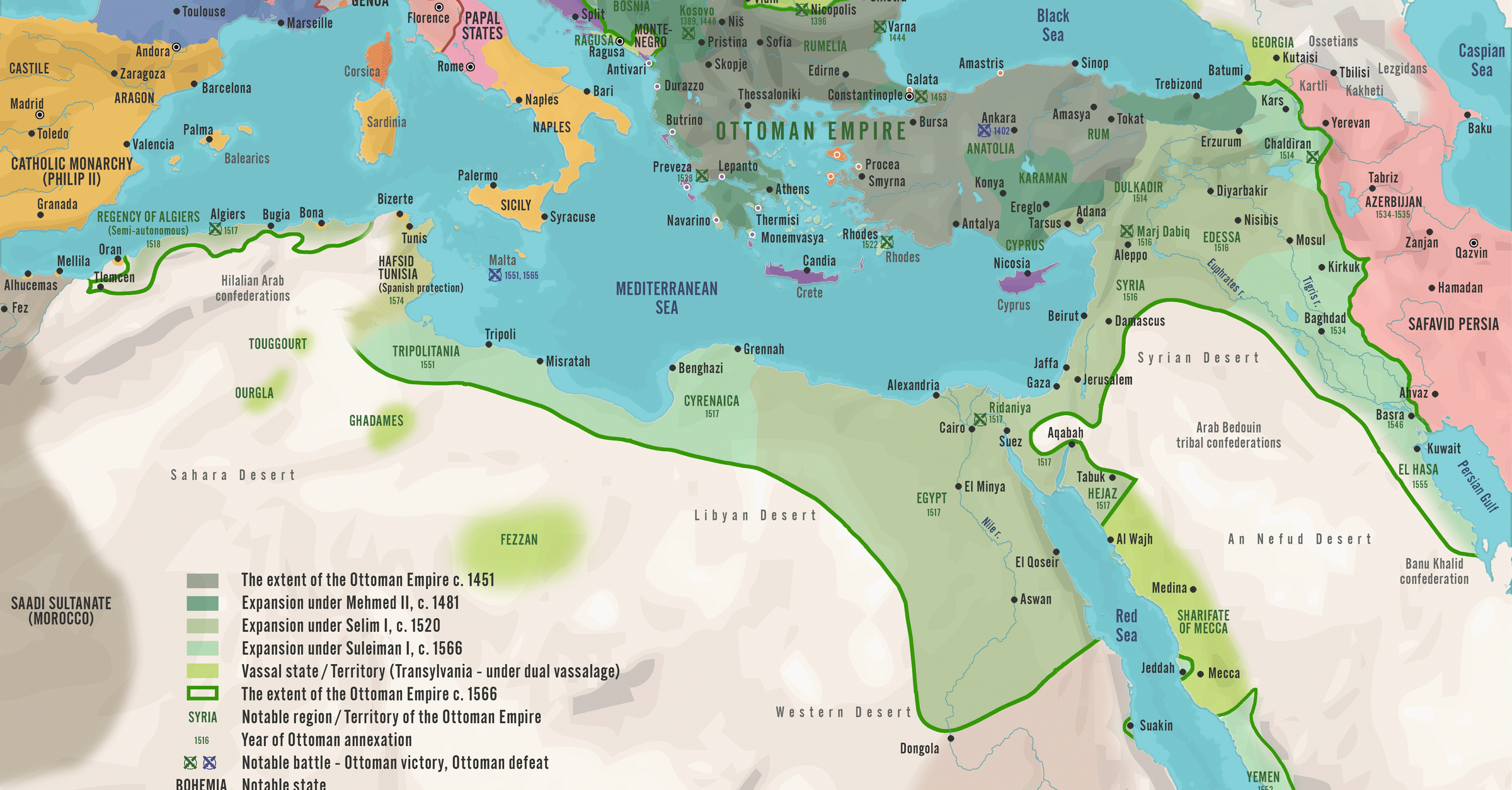
Under Sultan Suleiman, the Ottoman Empire grew huge. It stretched from Hungary in Europe to Iraq in the east and parts of North Africa. At its peak, more than 25 million people lived in the lands ruled by Sultan Suleiman. He earned two famous nicknames: “the Magnificent” because of his power and “the Lawgiver” because of his fair rules. Sultan Suleiman cared about justice and wanted his people to live well.
Sultan Suleiman’s Great Military Conquests
One big part of Sultan Suleiman’s story is his success in wars. He led his army on many campaigns and won almost every time. Let’s look at some important ones step by step.
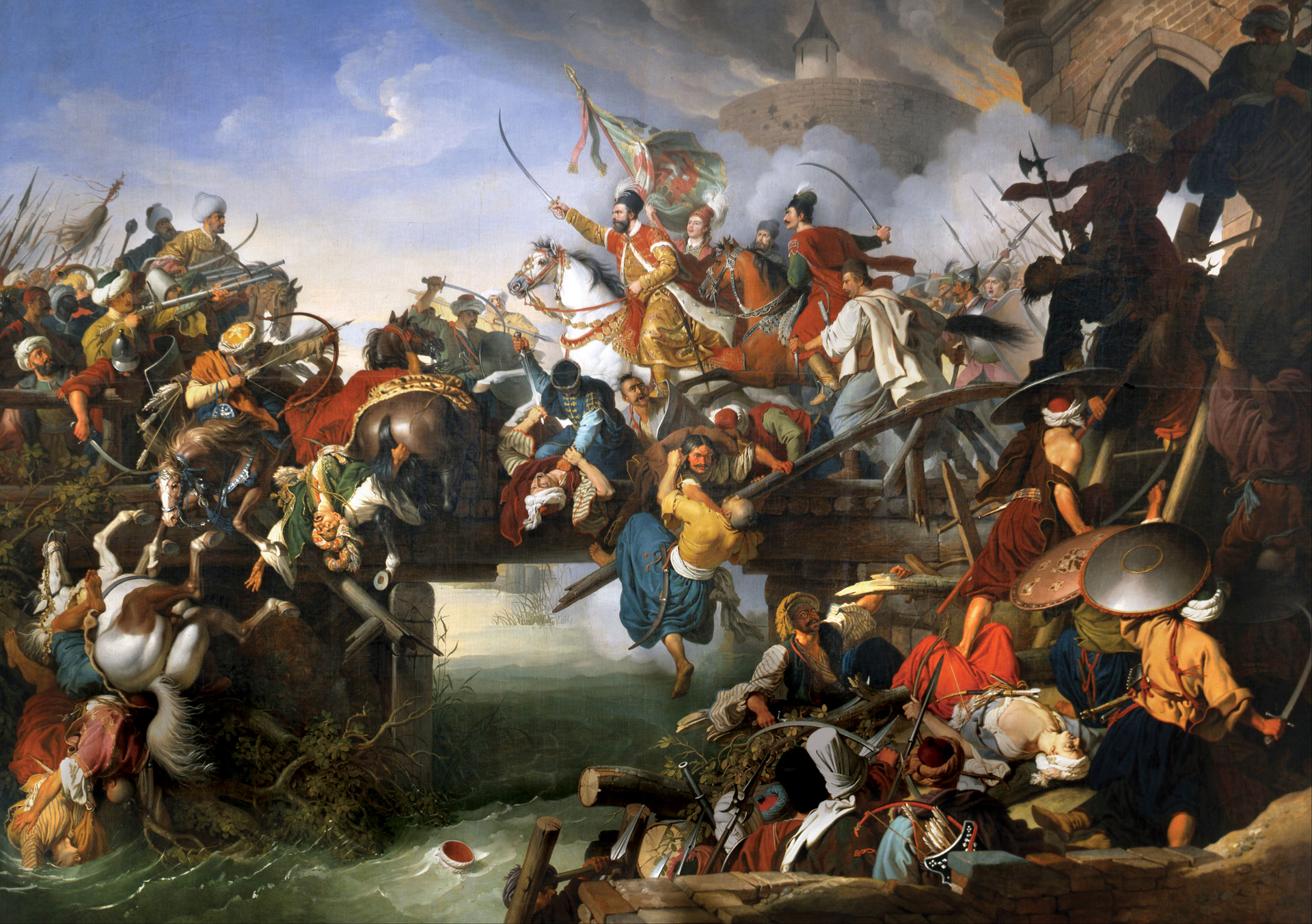
First, in 1521, Sultan Suleiman attacked Belgrade in Europe. He brought 250,000 soldiers and many ships. After heavy fighting, the city fell. This win opened the door to more land in the west.
Next came the famous siege of Rhodes in 1522. The Knights of St. John lived on this island and fought hard. Sultan Suleiman built a special castle at Marmaris as a base. After five long months and many deaths on both sides, the knights gave up. Sultan Suleiman let them leave safely, showing his mercy.
In 1526, Sultan Suleiman marched into Hungary. At the Battle of Mohács, his army crushed the Hungarian king’s forces in just two hours. The king died, and Hungary became divided. This victory shocked all of Europe.
Sultan Suleiman tried twice to take Vienna, the capital of Austria. In 1529, bad weather and strong defenses stopped him. He tried again in 1532 but still could not win. Even so, these campaigns showed how powerful Sultan Suleiman was.
In the east, Sultan Suleiman fought the Safavid Empire of Persia many times between 1533 and 1555. He took important cities like Baghdad and Tabriz. His army captured forts in Georgia and Azerbaijan. The Peace of Amasya in 1555 finally brought calm to the border.
Sultan Suleiman also sent his navy to new places. His admiral Barbarossa captured Tripoli in 1551. Ottoman ships raided far into the Indian Ocean. Sultan Suleiman even helped distant Muslim rulers in Indonesia fight the Portuguese.
Each campaign under Sultan Suleiman brought new land, wealth, and respect. His soldiers loved him because he shared the glory and treated prisoners fairly. But wars also cost a lot of money and lives. Sultan Suleiman always thought about the bigger picture for his empire.
The Golden Age of Culture and Laws Under Sultan Suleiman
Sultan Suleiman did more than fight wars. He created a golden age of art, building, and fair laws. People call this time the best in Ottoman history.
Sultan Suleiman worked with a great judge named Ebussuud Efendi to mix old Islamic rules with new Ottoman laws. He made one clear code that lasted for 300 years. These laws covered taxes, crime, schools, and trade. Sultan Suleiman protected Jews and stopped false accusations against them. He lowered harsh punishments and made life better for ordinary people.
Art and poetry also bloomed. Sultan Suleiman wrote poems himself under the name Muhibbi. He loved his wife so much that he wrote beautiful lines like “Throne of my lonely niche, my wealth, my love.” Artists, jewelers, and writers came to his palace. The empire grew tulips and shared them with Europe.
The greatest builder was Mimar Sinan. He designed over 300 buildings. The most famous is the Suleymaniye Mosque in Istanbul. It still stands today as a symbol of Sultan Suleiman’s glory. He also fixed old holy places in Jerusalem and Mecca.
Under Sultan Suleiman, education improved with big schools and libraries. The population reached 25 million, and trade brought riches from silk, spices, and gold. Sultan Suleiman’s time felt like a true golden age.

Understanding the Ottoman Harem
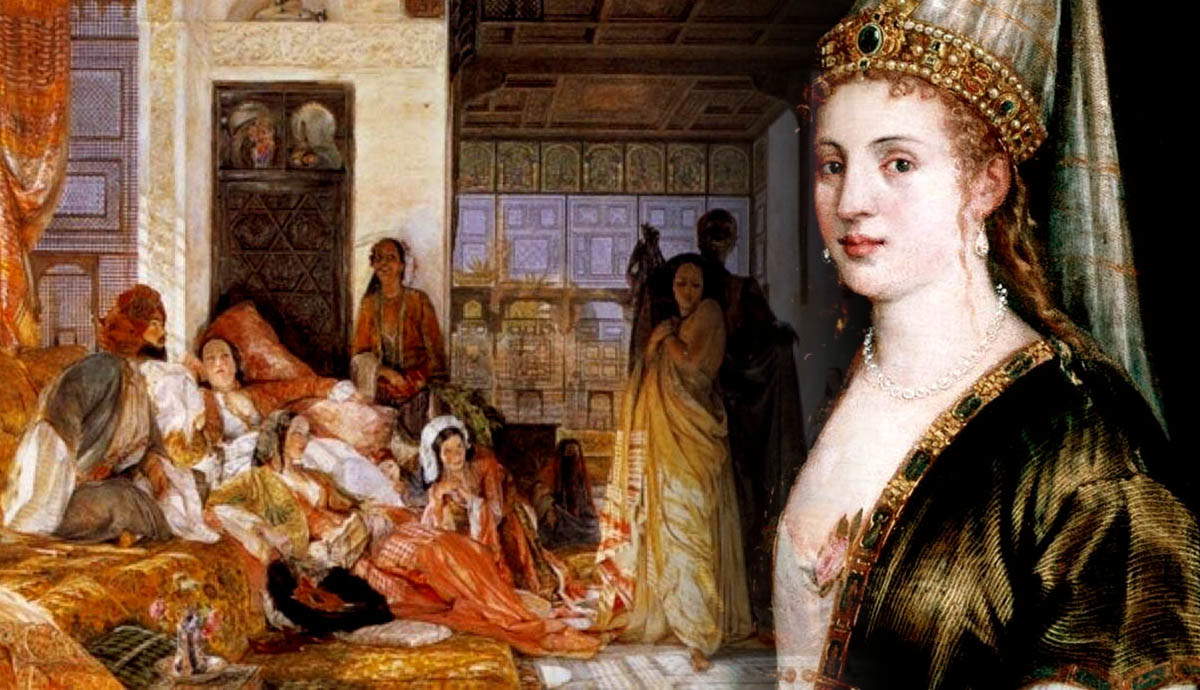
To answer whether harem intrigues ruined the Ottoman Empire, we must first understand what the harem was. The word “harem” means a private, protected place for the sultan’s family. It was not just about romance. It was a busy world of mothers, wives, children, servants, and guards.
The harem sat inside the Topkapi Palace in Istanbul. High walls and special gates kept it separate. Black eunuchs (men who could not have children) guarded the doors. White eunuchs helped with other jobs. Women inside learned music, dance, languages, and palace rules. Many came as slaves from distant lands.
Before Sultan Suleiman, sultans usually did not marry their concubines. They kept many women and sent princes to far provinces to rule and learn. But Sultan Suleiman changed everything. He made the harem part of the main palace and allowed real family life there.
Life in the harem was strict but also luxurious. Women wore fine clothes, ate the best food, and could become very powerful if the sultan liked them. Mothers of princes had special status. The sultan’s own mother, called the valide sultan, often gave advice.
The harem was like a small city inside the big palace. It had beautiful tiled rooms, fountains, gardens, and baths. But it was also full of competition. Women wanted their sons to become the next sultan. This competition sometimes led to secret plots.

The Rise of Hurrem Sultan in Sultan Suleiman’s Life
The biggest change in the harem came because of one woman: Hurrem Sultan. Her real name was Roxelana. She was born around 1505 in Ukraine. Crimean Tatars captured her as a young girl and sold her as a slave to the Ottoman palace.
Hurrem Sultan was smart, funny, and strong. Sultan Suleiman noticed her quickly. He fell deeply in love. In 1534, after his mother died, Sultan Suleiman did something no sultan had done for over 200 years. He freed Hurrem and married her in a big ceremony.
This broke old rules. Now, Hurrem Sultan could stay in the palace forever. She became the first “Haseki Sultan,” meaning the sultan’s favorite. She gave Sultan Suleiman six children, including future Sultan Selim II. This was unusual because earlier rules said each woman should have only one son.
Hurrem Sultan wrote letters to Sultan Suleiman when he was away at war. She told him about palace news and even the plague in Istanbul. Sultan Suleiman wrote poems back to her. Their love was real and strong. But her power also brought new problems.
Hurrem Sultan helped with charity. She built mosques, schools, hospitals, and soup kitchens. One hospital was the first for mental health in the empire. She sent help to Jerusalem and Mecca. People loved her good works.
But not everyone liked her rise. Old rivals in the harem felt jealous. This jealousy started the intrigues that many people blame for later troubles.
Harem Intrigues and Political Influence During Sultan Suleiman’s Time
With Hurrem Sultan’s new power, the harem became a place of politics. She helped choose grand viziers and gave advice on foreign matters. She wrote letters to kings in Poland and built strong ties.
One big intrigue involved Pargalı Ibrahim Pasha. He was Sultan Suleiman’s best friend and top minister. But Hurrem Sultan and others saw him as a threat. In 1536, Sultan Suleiman ordered his old friend killed. Many say harem pressure played a role.
Another sad story is the rivalry with MMahidevran, the mother of Prince Mustafa. Mahidevran was the first favorite, but Hurrem Sultan took her place. The two women fought, and Mahidevran lost favor. Her son, Mustaf, stayed popular with the army and people.
In 1553, during a war with Persia, rumors spread that Prince Mustafa wanted to steal the throne. Sultan Suleiman believed the stories (some say Hurrem Sultan and her son-in-law helped spread them). He ordered Mustafa executed with a bowstring. The prince died in a tent near Ereğli. His brother Cihangir died soon after from grief.
Later, Hurrem Sultan’s sons, namely Selim and Bayezid, fought each other. In 1559, they had a civil war. Bayezid lost and fled to Persia. Sultan Suleiman paid the Persian shah to execute Bayezid and his sons in 1561.
These family tragedies happened while Sultan Suleiman ruled. The harem intrigues helped Hurrem Sultan protect her sons, but they also removed strong princes. Mustafa was smart and loved by soldiers. Many historians say killing him left weaker heirs.
Hurrem Sultan died in 1558. But the pattern of harem power continued. This time is now called the start of the “Sultanate of Women.”
Did the Harem Intrigues Ruin the Ottoman Empire?
This is the big question. Did the plots inside the harem under Sultan Suleiman really ruin the Ottoman Empire?
Some historians say yes. They argue that Sultan Suleiman’s marriage to Hurrem Sultan broke old traditions. Before, princes grew up in provinces and learned to rule. After, the princes stayed in the palace. This made them less experienced. The execution of Mustafa removed a strong leader. Selim II, who became sultan after Sultan Suleiman died in 1566, was called “the Sot” because he loved wine too much. Weak sultans followed, and women in the harem took more control.
The Sultanate of Women lasted until 1715. Powerful valide sultans like Kösem and Turhan acted as regents for child sultans. They chose ministers and made big decisions. Some people say this caused fights between palace groups, corruption, and slow decisions. The empire stopped expanding after Sultan Suleiman. Later losses in wars made things worse.
Other writers point to the 1973 book by Noel Barber, which calls Hurrem Sultan’s marriage “the first link in the chain” that brought down the empire. They say harem intrigues created factionalism and stopped strong military leaders from rising.
But many modern historians disagree. They say the empire did not simply “decline” after Sultan Suleiman. It faced new challenges: Europe grew stronger with new guns and ships. Inflation hit hard because of American gold. Trade routes changed. The empire adapted with new systems instead of constant conquest.
Sultan Suleiman left strong laws and buildings that lasted centuries. The empire stayed rich and big for 300 more years. Child sultans and regents were common in many kingdoms, not just the Ottomans. External factors like wars with Russia and Austria mattered more than palace gossip.
In short, harem intrigues under Sultan Suleiman created problems in succession and led to more female power. But they did not single-handedly ruin the Ottoman Empire. Many causes worked together. Sultan Suleiman’s reign was still the peak of Ottoman strength.
The Sultanate of Women and Long-Term Effects
After Sultan Suleiman, the harem's influence grew bigger. His son Selim II ruled from 1566 to 1574. Then came Murad III and others. Mothers and grandmothers ran the palace and sometimes the whole empire.
Women built beautiful mosques and helped the poor. This kept money flowing during hard times. But critics say too much focus on palace life made the army and government weaker. By the 1600s, six young sultans needed regents. This caused confusion.
The period ended in 1715. By then, the empire had changed a lot. It faced new enemies and ideas from Europe. The early intrigues during Sultan Suleiman’s time planted seeds, but other problems grew the tree of difficulty.
Legacy of Sultan Suleiman
Even with questions about the harem, Sultan Suleiman remains a hero in Turkish history. His laws, buildings, and conquests are still admired. The Suleymaniye Mosque welcomes millions of visitors every year. Poems and stories about his love for Hurrem Sultan are famous worldwide.
Sultan Suleiman showed that one ruler can mix military power, justice, and culture. His time is remembered as the Ottoman golden age. Today, TV shows and books keep his story alive. People still debate the harem, but everyone agrees that Sultan Suleiman changed the world.
The Ottoman Empire lasted until 1922. Many reasons explain its long life and final end. Harem intrigues were only one small piece of a huge puzzle.
Sultan Suleiman died in 1566 during the siege of Szigetvár in Hungary. He was 71. His body rests in the Suleymaniye Mosque. His heart and organs stayed near the battlefield as a sign of his warrior spirit.
Conclusion
So, did the intrigues of the harem ruin the Ottoman Empire? The answer is no single “yes” or “no.” Sultan Suleiman brought glory through wars and wise rule. But his personal choices and family fights opened new paths in palace politics. Hurrem Sultan’s power started the Sultanate of Women, which brought both good charity and some instability.
The empire faced bigger outside problems, too. Sultan Suleiman’s reign was magnificent despite the harem drama. His story teaches us that even great leaders face hard family choices. The Ottoman Empire’s long history shows strength and change, not just ruin.
If you love history, visit Istanbul and walk through the Topkapi Palace. Feel the walls that once held the secrets of Sultan Suleiman. Read his poems. Think about how love, power, and plots can shape nations.
Sultan Suleiman left a mark that still shines today. The harem intrigues added drama, but his achievements built a legacy far bigger than any palace secret.
Disclaimer
This article shares historical facts and different opinions for educational purposes only. History depends on sources, and views can change with new research. It does not claim one final truth about whether harem intrigues ruined the Ottoman Empire. Always check multiple books and experts for your own understanding.
FAQs
- Who was Sultan Suleiman? Sultan Suleiman was the Ottoman sultan from 1520 to 1566. He expanded the empire, made fair laws, and built beautiful mosques. People call him “the Magnificent.”
- What is the Ottoman harem? The harem was the private family area in the palace. It included wives, mothers, children, and servants. It was guarded and had its own rules.
- Who was Hurrem Sultan? Hurrem Sultan was a former slave who married Sultan Suleiman. She became very powerful and helped run palace affairs. She started a new era of women’s influence.
- Did Sultan Suleiman execute his own sons? Yes, he ordered the death of Prince Mustafa in 1553 and later Prince Bayezid in 1561 because of suspected plots and civil war.
- Did the harem really ruin the Ottoman Empire? Historians disagree. Some say harem fights caused weak leaders. Others say outside problems like wars and money troubles were more important. The empire continued strong for many years after Sultan Suleiman.
- What is the Sultanate of Women? It was the time from about 1534 to 1715 when mothers and wives in the harem held real political power. It began with Hurrem Sultan during Sultan Suleiman’s reign.
- Where can I learn more about Sultan Suleiman? Visit the Suleymaniye Mosque in Istanbul or read reliable history books and websites about the Ottoman Empire.
References
- Wikipedia: Suleiman the Magnificent
- Wikipedia: Hürrem Sultan
- Wikipedia: Sultanate of Women
- Origins.osu.edu article on Süleyman the Magnificent (2020)
- Historical analysis from Quora and academic papers on Ottoman harem politics
- World History Encyclopedia map of the Ottoman Empire under Sultan Suleiman
All information comes from trusted historical records and expert summaries. Enjoy learning about this fascinating ruler!
