

Battle of the Trench
The Battle of the Trench stands as one of the most remarkable defensive victories in early Islamic history. Fought in 627 CE (5 AH), this battle tested the faith, unity, and strategic wisdom of the Muslim community in Medina against overwhelming odds. Also known as the Battle of Khandaq or the Battle of the Confederates (Ghazwat al-Ahzab), it marked a turning point where a small group of believers defended their city against a massive coalition of enemies.
The Battle of the Trench highlighted the power of innovative thinking combined with strong trust in divine help. Today, it continues to inspire people facing challenges in life, teaching lessons of patience, planning, and perseverance.
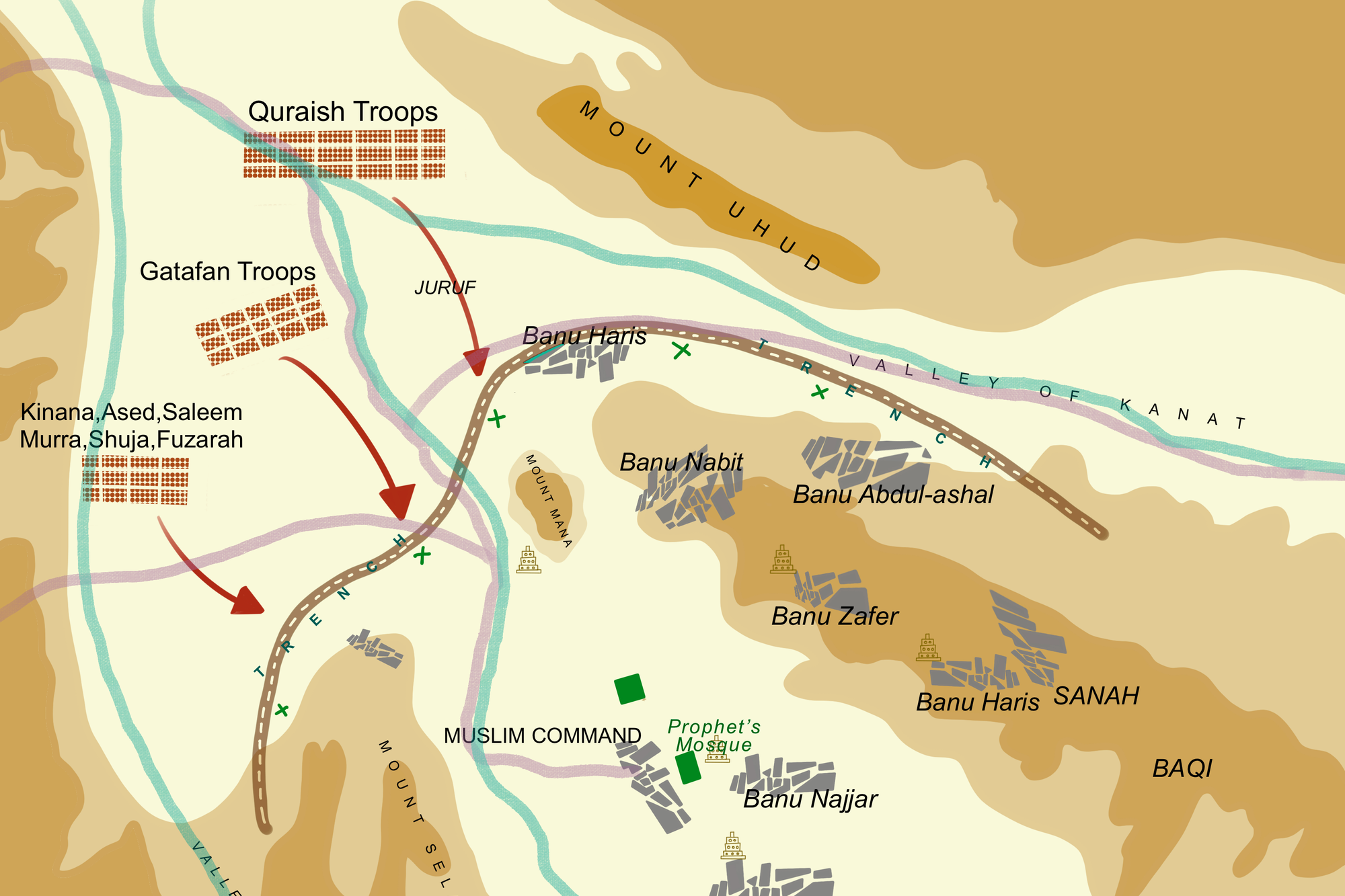
Historical Background Leading to the Battle of the Trench
To understand the Battle of the Trench, we must go back to the early days of Islam in Mecca and the migration to Medina. Prophet Muhammad (peace be upon him) and his followers faced constant persecution in Mecca. In 622 CE, they migrated to Yathrib (later called Medina), where they built a peaceful community based on justice and brotherhood.
The Muslims signed the Constitution of Medina, a treaty that united different tribes, including Jews and Arabs, for mutual protection. However, tensions grew after key battles like Badr (624 CE), where Muslims won against a larger Quraysh force, and Uhud (625 CE), where they suffered losses but learned valuable lessons.
After Uhud, the Quraysh of Mecca sought revenge. They formed alliances with other Arab tribes and some Jewish groups in Medina who broke their treaties. The exiled Banu Nadir Jews, in particular, played a key role in inciting the Quraysh and tribes like Ghatfan to attack Medina. Their goal was to destroy the growing Muslim community once and for all.
In 5 AH (627 CE), a massive confederate army of about 10,000 warriors gathered under the leadership of Abu Sufyan from the Quraysh. This included fighters from Quraysh, Ghatfan, and other Bedouin tribes. The Battle of the Trench was about to unfold as the largest threat the Muslims had ever faced.
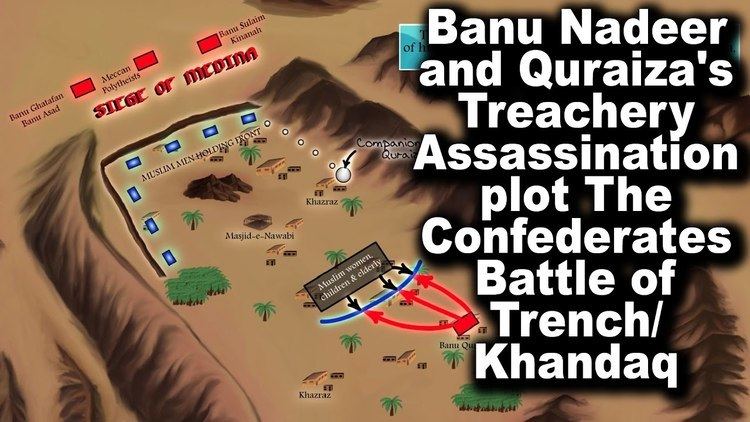
The focus keyword Battle of the Trench appears here multiple times to emphasize its central role in the Islamic narrative. This event was not just a military clash; it was a test of survival for the young Muslim ummah.
Why the Battle of the Trench Happened: Causes and Motivations
Several factors led to the Battle of the Trench. First, the Quraysh wanted to regain their prestige and control over trade routes after defeats at Badr. Second, some Jewish tribes in Medina felt threatened by the rising influence of Islam and violated pacts by conspiring with external enemies.
The Banu Nadir, after their expulsion from Medina for plotting against the Prophet, traveled to Mecca and urged the Quraysh to attack. They promised support and even offered dates from their orchards. Tribes like Ghatfan joined for loot and revenge against the Muslims.
The confederates aimed to besiege Medina from multiple sides, hoping to overwhelm the defenders quickly. They believed their large cavalry and numbers would guarantee victory. Little did they know that the Battle of the Trench would introduce a new defensive tactic unfamiliar to Arabian warfare.
Prophet Muhammad (peace be upon him) received intelligence about the approaching army. He consulted his companions on the best defense strategy. Many suggested fighting outside the city, but a wise suggestion changed everything.
The Innovative Strategy: Digging the Trench in the Battle of the Trench
Salman the Persian (Salman al-Farsi), a companion who had converted to Islam, proposed a brilliant idea drawn from Persian military tactics. He suggested digging a deep and wide trench around the vulnerable northern side of Medina. The other sides were naturally protected by mountains, lava fields, and dense palm groves.
The Prophet approved this plan immediately. He divided the Muslim workforce—around 3,000 men, including Muhajirun (emigrants from Mecca) and Ansar (helpers from Medina)—into groups. Each group of 10 men was assigned a section of about 40 cubits to dig.
The trench was designed to be roughly 5-6 meters deep and 9 meters wide in places, making it impossible for horses and camels to cross easily. Digging took about six to ten days of intense labor under difficult conditions: cold weather, limited food, and hard, rocky soil.
Miracles are reported during this phase. The Prophet himself helped dig and break large rocks with minimal effort. Food multiplied in some narrations, boosting morale. The companions worked day and night, chanting praises of Allah and showing remarkable unity. Even the Prophet went without proper meals for days, yet his leadership inspired everyone.
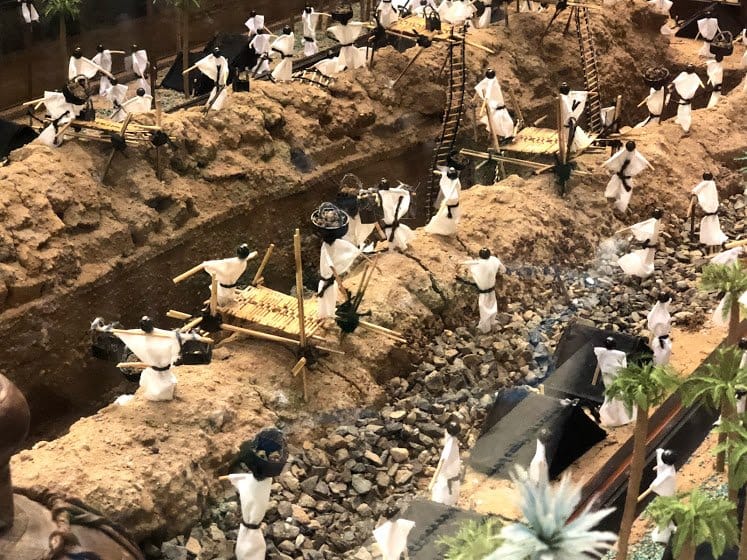
This defensive strategy in the Battle of the Trench was revolutionary for Arabia, where battles were usually open-field fights or raids. The trench turned the conflict into a siege, neutralizing the enemy's cavalry advantage.
Mount Sal (or Sela) served as a strategic lookout point. The Muslims positioned themselves behind the trench, ready to defend any crossing attempts. Women and children stayed in fortified areas for safety.

The Arrival of the Enemy and the Start of the Siege
The confederate army, led by Abu Sufyan, arrived expecting an easy victory. They were shocked to see the long trench stretching across the northern plain. Their horses refused to jump the wide gap, and attempts to cross failed.
The siege began around late March or early April 627 CE and lasted about two to four weeks, depending on sources. The enemy camped on the outskirts, trying various tactics. They shot arrows and hurled insults, hoping to provoke the Muslims into open battle.
Inside Medina, life was tough. Food was scarce, and the hypocrites (Munafiqun) spread rumors and fear to weaken morale. Some even suggested surrendering. Yet, the true believers remained steadfast, reciting the Quran and trusting in Allah's promise of help, as mentioned in Surah Al-Ahzab.
The Battle of the Trench saw limited direct combat because of the barrier. Most action involved skirmishes at weak points or attempts to breach the line.
Key Events and Heroic Moments During the Battle of the Trench
One of the most famous incidents was the duel between Amr ibn Abd Wudd (a fierce Quraysh warrior) and Ali ibn Abi Talib. Amr, known for his strength, crossed a narrow part of the trench on his horse and challenged the Muslims. Many hesitated, but the Prophet allowed Ali to respond.
Ali defeated Amr in single combat, killing him and boosting Muslim morale while demoralizing the enemy. This event is often highlighted in stories of the Battle of the Trench as a symbol of courage.
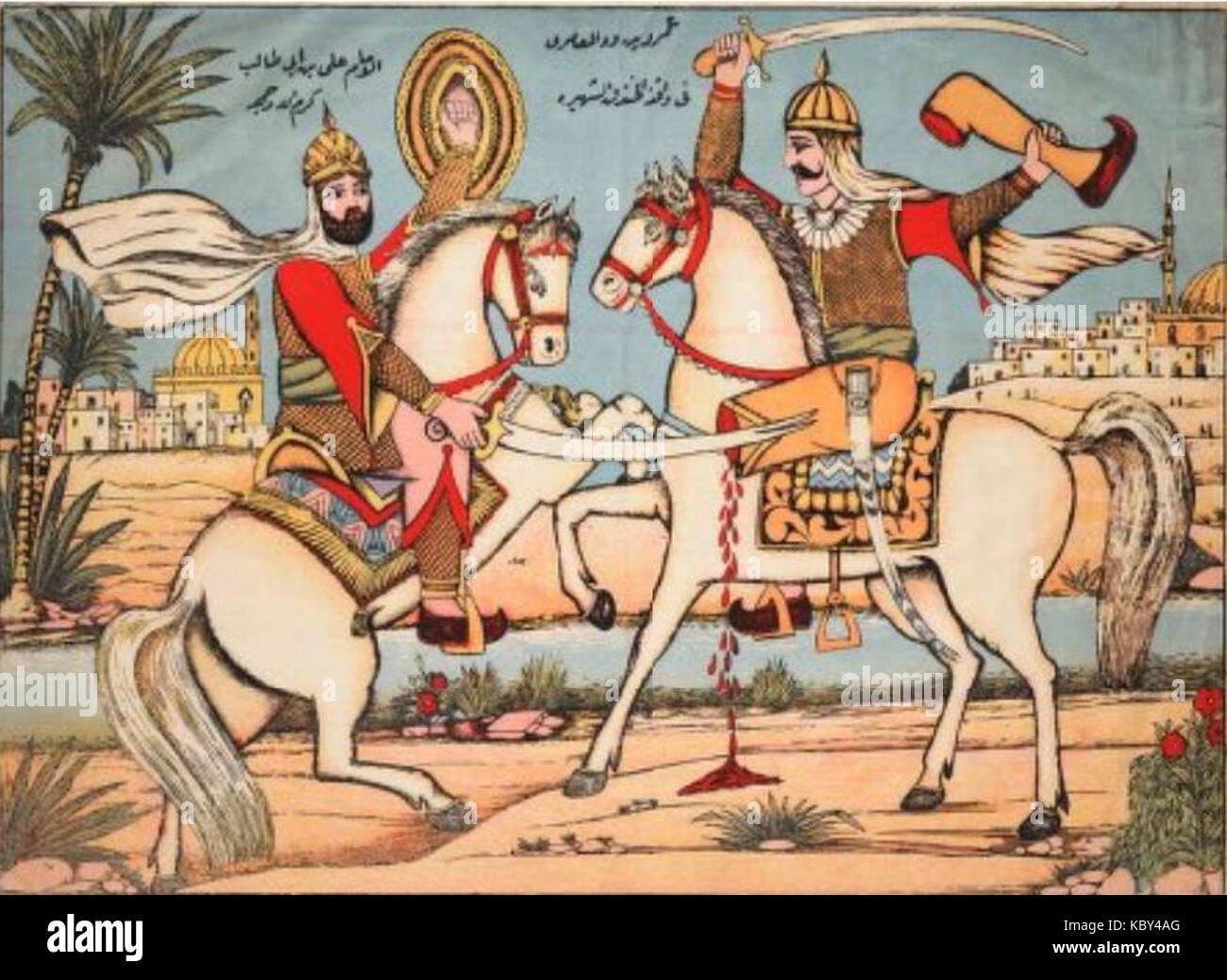
Another critical moment involved the attempted betrayal by Banu Qurayza, a Jewish tribe inside Medina. They allegedly broke their treaty and considered attacking the Muslims from within. The Prophet sent Sa'd ibn Mu'adh to negotiate, but tensions rose. This internal threat added pressure during the siege.
The Muslims maintained strict discipline. Groups guarded sections of the trench 24/7. Leaders like Abu Bakr, Umar, and Sa'd ibn Mu'adh played key roles in organization and motivation.
Hudhayfah ibn al-Yaman volunteered for a dangerous spy mission one cold, windy night. He infiltrated the enemy camp and reported valuable information about their low morale and supply issues.
Throughout the Battle of the Trench, the companions endured hunger, cold, and constant vigilance. Yet, their faith never wavered. The Prophet encouraged them with prayers and reminders of Allah's support.
Divine Intervention and the Miracle of the Wind
As the siege dragged on, the confederates grew frustrated. Their supplies dwindled, animals suffered, and internal disagreements surfaced. A powerful storm—described as a strong wind or sandstorm—struck the enemy camp one night.
Tents were uprooted, fires extinguished, and chaos spread. The Quraysh and their allies could not withstand the harsh conditions, while the Muslims remained relatively sheltered. Many narrations attribute this to divine intervention, as promised in the Quran (Surah Al-Ahzab 33:9-27), where Allah sent winds and unseen forces to aid the believers.
The storm marked the breaking point. Abu Sufyan announced the retreat, and the massive army dispersed in disarray. The Battle of the Trench ended without a major pitched battle, yet it delivered a complete victory for the Muslims.

Casualties were remarkably low: around 5-6 Muslims martyred and a handful from the enemy side. This outcome highlighted that true strength lies in strategy, unity, and faith rather than sheer numbers.
Aftermath and Immediate Consequences of the Battle of the Trench
Following the victory in the Battle of the Trench, the Muslims turned their attention to the internal threat posed by Banu Qurayza. After negotiations and judgment according to their own laws (as per the treaty), the matter was resolved, further securing Medina.
This battle shifted the balance of power. The Quraysh lost prestige and never launched another major invasion against Medina. Trade routes suffered, and many tribes began reconsidering their hostility toward Islam.
The Prophet used this period of peace to strengthen alliances and spread the message of Islam further. The Battle of the Trench paved the way for later events like the Treaty of Hudaybiyyah in 628 CE, which opened doors for peaceful propagation.
Medina became safer, allowing the Muslim community to grow and focus on internal development, education, and worship.
Significance and Lessons from the Battle of the Trench
The Battle of the Trench holds deep significance in Islamic history. It proved that a small, determined group could defend against a much larger force through wisdom and reliance on Allah. It demonstrated the importance of consultation (shura), as the Prophet involved companions in decision-making.
Key lessons include:
- Innovation and Strategy: Salman’s trench idea shows the value of learning from other cultures and adapting knowledge for defense. Creative thinking can overcome superior numbers.
- Unity and Brotherhood: Muslims from diverse backgrounds—Arabs, Persians, and others—worked together without division. This unity was their greatest strength.
- Patience in Hardship: The long days of digging and the siege tested endurance. Believers learned to remain patient and hopeful even when supplies were low.
- Trust in Divine Help: The wind miracle reminds us that after human effort, success comes from Allah. The Quran describes how the believers were shaken but ultimately victorious because they trusted God.
- Leadership Qualities: Prophet Muhammad (peace be upon him) led by example, sharing hardships and maintaining calm under pressure.
These lessons from the Battle of the Trench apply today. In personal life, communities facing crises—whether economic, social, or political—can draw inspiration from planning wisely, staying united, and keeping faith.
Modern relevance is clear. In times of uncertainty, like conflicts or natural disasters, the story encourages resilience. Leaders in any field can learn the value of inclusive decision-making and innovative solutions.
The Battle of the Trench also underscores justice and treaty observance. Breaking pacts led to consequences, teaching accountability.
Detailed Timeline of the Battle of the Trench
- Pre-battle (early 5 AH): Intelligence about confederate plans reaches Medina. Consultation and decision to dig a trench.
- Trench digging phase (about 6-10 days): Intense labor by all able Muslims. Miracles reported.
- Arrival of enemy (around 31 March 627 CE): Shock at the trench; siege begins.
- Siege period (2-4 weeks): Skirmishes, duel with Amr and Ali, internal pressures, spy missions.
- Climax: Strong wind/storm disrupts the enemy camp.
- Retreat: Confederates withdraw in failure.
- Post-battle: Resolution with Banu Qurayza; consolidation of security in Medina.
This timeline shows how the Battle of the Trench was a well-managed defensive operation from start to finish.
Personal Stories and Companions' Roles
Many companions shone during the Battle of the Trench. Salman al-Farsi earned eternal respect for his strategic advice. Ali ibn Abi Talib's bravery in the duel became legendary.
Sa'd ibn Mu'adh, a leader of the Ansar, played a crucial role in defense and later judgment matters. Women like Fatima (the Prophet's daughter) supported by preparing food and caring for the wounded.
Even children helped where possible, showing collective effort. Hypocrites, in contrast, revealed their true colors by making excuses to avoid work or spreading doubt.
These human stories make the Battle of the Trench relatable. It was not just about generals and warriors but ordinary people rising to extraordinary challenges through faith.
The Battle of the Trench in Islamic Sources
The event is detailed in the Quran, particularly Surah Al-Ahzab (The Confederates), verses 9-27. These verses describe the siege, the believers' trial, the hypocrites' behavior, and Allah's help.
Hadith collections like Sahih Bukhari and Muslim narrate specific incidents, such as the digging, the miracle of food, and the wind. Sirah books by Ibn Ishaq, Ibn Hisham, and later scholars provide comprehensive accounts.
Scholars across centuries have studied the Battle of the Trench for military strategy, leadership principles, and spiritual insights. It remains a core part of Islamic education.
Modern Interpretations and Cultural Impact
Today, the Battle of the Trench is taught in schools, mosques, and Islamic centers worldwide. It appears in books, lectures, documentaries, and even children's stories to instill values of courage and trust.
In art and literature, illustrations depict the trench, the digging, and heroic moments. Some modern military analysts compare it to defensive warfare tactics used in later history.
The story encourages interfaith understanding, too, as it involves complex relations with Jewish tribes and highlights the importance of honoring agreements.
For Muslims living as minorities or facing opposition, the Battle of the Trench offers hope: truth and justice prevail with sincere effort and divine grace.
How the Battle of the Trench Shaped the Future of Islam
After this victory, the initiative shifted to the Muslims. Mecca's influence declined, and tribes began sending delegations to Medina to learn about Islam.
It prepared the ground for the conquest of Mecca in 630 CE. The Battle of the Trench proved Islam could not be eradicated by force, encouraging more people to embrace the faith peacefully.
The community in Medina grew stronger, establishing systems for governance, economy, and social welfare. This foundation helped Islam spread rapidly across Arabia and beyond in the following decades.
Practical Applications of Lessons from the Battle of the Trench Today
In business or team projects, the trench strategy teaches building strong defenses (like contingency plans) against risks.
In family life, unity during tough times mirrors the companions' togetherness.
For personal development, the digging phase represents hard work and preparation before facing challenges.
During global issues like pandemics or conflicts, the emphasis on patience and faith provides comfort.
Educators use the Battle of the Trench to teach history, ethics, and critical thinking—analyzing why the strategy worked and what could have gone wrong without it.
Exploring the Site Today: Visiting Medina and Related Locations
Modern visitors to Medina can see areas associated with the Battle of the Trench. While the actual trench has long disappeared due to urban development, markers and museums in Islamic history centers illustrate the events.
Mount Sela offers views of the historical landscape. The Prophet's Mosque and surrounding areas remind pilgrims of the early community's struggles and triumphs.
Guided tours often include stories from the Battle of the Trench, helping visitors connect emotionally with the past.
Broader Impact on Arabian Society
The Battle of the Trench weakened tribal alliances against Islam and promoted a shift toward monotheism and unity under one community. It reduced the endless raiding culture by showing the effectiveness of organized defense and diplomacy.
Women’s roles in support during the battle also highlighted their contributions to society, setting examples for future generations.
Reflections on Faith and Strategy Combined
What makes the Battle of the Trench unique is the perfect blend of human effort and spiritual reliance. The Muslims did not sit idle waiting for miracles; they dug with their hands until exhausted. Only after maximum effort did divine help manifest.
This balance is a core Islamic principle: "Tie your camel and trust in Allah."
The Battle of the Trench thus serves as a timeless model for facing life's battles—whether literal or metaphorical.
Expanding on Leadership Qualities Displayed
Prophet Muhammad (peace be upon him) exemplified servant leadership. He dug alongside others, shared scarce resources, and boosted spirits with kind words and prayers.
His ability to unite diverse groups—emigrants and locals, Arabs and non-Arabs—created a cohesive force stronger than blood ties.
In crisis communication, he addressed fears directly while reinforcing hope. These qualities remain relevant for leaders in any era.
The Role of Women and Children
Though not on the front lines, women prepared food, nursed the injured, and guarded homes. Some narrations mention their encouragement and prayers. Children assisted in lighter tasks, learning responsibility early.
This collective involvement strengthened social bonds and ensured no one felt left out.
Environmental and Logistical Challenges
The Arabian desert presented harsh conditions: scarce water, extreme temperatures, and sandy terrain. The trench had to account for these, with proper depth to prevent easy filling by sand.
The enemy's larger army faced greater logistical issues, as supplying 10,000 men in a siege without modern transport was difficult. This contributed to their eventual withdrawal.
Comparisons with Other Historical Battles
Unlike open battles like Badr or Uhud, the Battle of the Trench was primarily a siege with minimal casualties. It resembles later fortified defenses in history, such as medieval castles or even modern trench warfare concepts (though different in context).
Its low casualty rate and decisive outcome without prolonged fighting make it stand out as an efficient victory.
Spiritual Dimensions and Quranic Commentary
Surah Al-Ahzab vividly portrays the psychological battle: believers shaken yet firm, hypocrites exposed. Commentaries explain how this surah consoles and guides future generations facing similar trials.
The chapter also discusses family matters and social rules, showing how military events are intertwined with community building.
Legacy in Art, Literature, and Education
Poets and historians have praised the companions' steadfastness. In Islamic art (avoiding direct depictions of the Prophet), scenes of the trench and army movements appear in manuscripts.
Schools worldwide include the story in curricula to teach values like hard work, honesty, and trust in God.
Why the Battle of the Trench Matters in 2026 and Beyond
Even today, as the world faces divisions, wars, and uncertainties, the Battle of the Trench offers a message of hope. It shows that with intelligence, unity, and faith, seemingly impossible situations can be resolved favorably.
Communities rebuilding after disasters or facing injustice can relate to the digging phase—slow, tiring, but essential for long-term security.
The Battle of the Trench reminds us that victory belongs to those who persevere with sincerity.
Conclusion: A Lasting Symbol of Resilience
The Battle of the Trench was more than a historical event; it was a defining moment that solidified the Muslim community's position in Arabia. Through innovative defense, unbreakable unity, and profound faith, an outnumbered group turned the tide against a powerful coalition.
Its stories of sacrifice, miracles, and triumph continue to motivate millions. Whether you study it for history, strategy, or spirituality, the Battle of the Trench delivers profound wisdom for everyday life.
By reflecting on this event, we honor the early believers and apply their example to build better, stronger societies today. The legacy of the Battle of the Trench lives on as a beacon of hope, strategy, and divine mercy.

Disclaimer: This article is written for educational and informational purposes based on historical and Islamic traditional sources. It aims to provide an accurate, easy-to-understand overview in simple English. Interpretations of events, especially spiritual aspects and miracles, may vary among scholars and schools of thought. Readers should consult qualified Islamic scholars or primary religious texts for deeper religious guidance. The content does not intend to promote any political or sectarian views and respects all historical perspectives.
FAQs about the Battle of the Trench
What is the Battle of the Trench also known as? It is also called the Battle of Khandaq (due to the trench) and the Battle of the Confederates or Ghazwat al-Ahzab (because of the alliance of enemy tribes).
When and where did the Battle of the Trench take place? The battle occurred in 627 CE (5 AH) around the city of Medina (then Yathrib) in present-day Saudi Arabia. The siege lasted approximately two to four weeks.
Who suggested digging the trench in the Battle of the Trench? Salman the Persian (Salman al-Farsi) proposed the idea of digging a defensive trench, drawing from Persian warfare techniques.
How many Muslims fought in the Battle of the Trench? Around 3,000 Muslim defenders faced an enemy force of about 10,000.
What was the outcome of the Battle of the Trench? It resulted in a Muslim victory. The Confederate army retreated without conquering Medina, largely due to the trench, harsh weather, and low morale.
Were there many casualties in the Battle of the Trench? Casualties were low compared to the army sizes: about 5-6 Muslims and a small number from the enemy side.
What lessons does the Battle of the Trench teach? It teaches innovation, unity, patience, hard work, and trust in God after making a full effort.
Is the trench from the Battle of the Trench still visible today? No, the physical trench no longer exists due to time and development, but the historical sites and Mount Sela can still be visited in Medina.
Why is the Battle of the Trench important in Islamic history? It marked the failure of the last major attempt to destroy the Muslim community in Medina and shifted momentum toward the spread of Islam.
How does the Battle of the Trench relate to the Quran? Surah Al-Ahzab in the Quran describes the events, the trial of the believers, and Allah's help during the siege.
References
- Wikipedia: Battle of the Trench (en.wikipedia.org/wiki/Battle_of_the_Trench)
- Britannica: Battle of the Ditch
- Historical accounts from Sirah literature (Ibn Ishaq/Ibn Hisham)
- Islamic sources, including Sahih Bukhari, Sahih Muslim, and Tafsir of Surah Al-Ahzab
- Educational websites: Zamzam.com, Al-Islam.org, and DawateIslami resources on early Islamic battles
