

What is the Tabut-e-Sakina, and Why is the Heikal-e-Suleimani Considered Special?
In the world of ancient religious history, some objects carry stories that amaze people across faiths. One such object is the Tabut-e-Sakina. Many wonder about its true meaning, its power, and its deep link to a famous temple. This article explains everything in simple words. You will learn what the Tabut-e-Sakina really is, its amazing history, and why the Heikal-e-Suleimani holds such a special place in history. We will use easy language so everyone can understand the wonder and lessons behind these sacred things.

Understanding the Tabut-e-Sakina: A Sacred Chest from Heaven
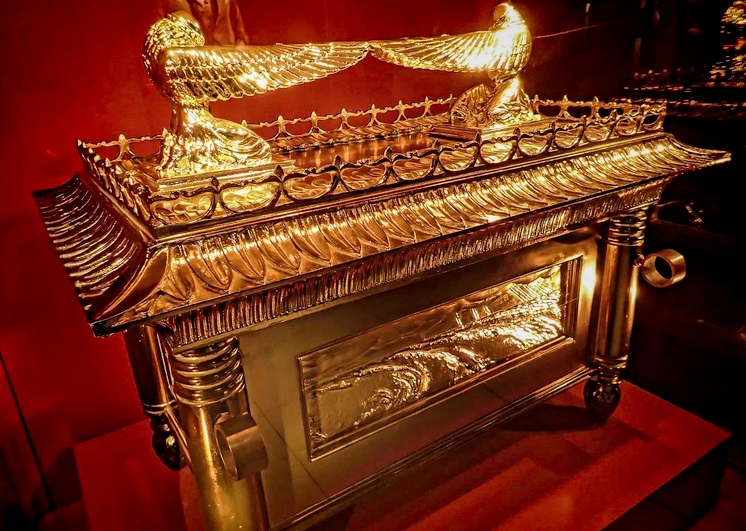
The Tabut-e-Sakina is a special wooden chest covered in gold. In Islamic teachings, it is also called the Ark of the Covenant. Allah gave this chest to the Children of Israel as a sign of His mercy and power. The word “Tabut” means a box or chest, and “Sakina” means peace, calm, and tranquility from God. Together, the Tabut-e-Sakina brought divine peace and victory to those who followed God’s path.
The Holy Quran mentions the Tabut-e-Sakina clearly in Surah Al-Baqarah, verse 248. It says that the Tabut-e-Sakina would come as proof of true leadership. Inside it were holy items left by the families of Prophet Musa (Moses) and Prophet Harun (Aaron). Angels themselves carried this chest. This was no ordinary box. It was a symbol that God was with His people when they stayed obedient.
People often ask why the Tabut-e-Sakina was so important. It was not just a treasure chest. It reminded the people of God’s promises. Whenever the Children of Israel faced trouble, the Tabut-e-Sakina gave them strength and hope. Many old stories say it helped them win battles and feel inner peace even in hard times. The Tabut-e-Sakina was a clear sign that God had not forgotten His covenant with the believers.
What Was Inside the Tabut-e-Sakina?
The Tabut-e-Sakina held very special things. According to Islamic tradition and shared stories from the Bible, it contained:
- The tablets of the Torah (the stone slabs with God’s laws given to Prophet Musa).
- The staff of Prophet Musa that could split the sea.
- Items from Prophet Harun, like his turban or rod that budded with flowers.
- A pot of manna, the heavenly food that came from the sky during the desert journey.
- Some say it also held pieces of the original holy writings and other blessed relics of the prophets.
These items were not magic objects. They were reminders of God’s past help. The Tabut-e-Sakina itself brought “Sakina” – a deep feeling of calm that only comes from faith. When the people carried the Tabut-e-Sakina with respect, they felt God’s presence. But when they disobeyed, even the Tabut-e-Sakina could not protect them. This teaches a big lesson: blessings come with responsibility.
The Early History of the Tabut-e-Sakina
The story of the Tabut-e-Sakina goes back to the time of Prophet Musa. After the Children of Israel left Egypt, they wandered in the desert. God gave them many signs, and the Tabut-e-Sakina was one of the greatest. It traveled with them and stood as their guide.
Later, when the people needed a king, Prophet Samuel (known as Shamwil in some traditions) told them that the arrival of the Tabut-e-Sakina would prove the new king’s right to rule. This king was Talut (Saul). The Tabut-e-Sakina came back to them, carried by angels, after enemies had taken it. This miracle showed that God controls everything, even powerful objects.
The Tabut-e-Sakina played a big role in wars. The Children of Israel would place it in front during battles. It brought them courage and sometimes caused fear in the hearts of their enemies. Many times, they won because of the peace and blessing it carried. But the Tabut-e-Sakina also taught them that victory comes only from true faith, not from the chest alone.
How the Tabut-e-Sakina Reached Prophet Dawood and Prophet Suleiman
As time passed, the Tabut-e-Sakina came into the care of Prophet Dawood (David). He was a great king and prophet. He wanted to build a safe and beautiful place for the Tabut-e-Sakina. He planned a grand temple, but he could not finish it during his life.
His son, Prophet Suleiman (Solomon), completed the work with God’s help. Prophet Suleiman was famous for his wisdom, his kingdom, and his ability to control winds and jinn. He used this wisdom to build the Heikal-e-Suleimani. The Tabut-e-Sakina found its permanent home inside this temple, in the most sacred inner room called the Holy of Holies.
What is the Heikal-e-Suleiman, i and why is It So Special?
The Heikal-e-Suleimani, also known as Solomon’s Temple, was not an ordinary building. It was a masterpiece of faith, art, and engineering. Built in Jerusalem, it stood as the center of worship for the Children of Israel. The temple was huge, decorated with gold, cedar wood from Lebanon, and precious stones. Its design showed respect for God and the holy items it protected.
Why is the Heikal-e-Suleimani considered special? The main reason is simple: it was built to house the Tabut-e-Sakina. The temple gave the sacred chest a secure and honorable place. Without the Tabut-e-Sakina, the temple would have been just another building. But because it held this divine chest, the Heikal-e-Suleimani became a symbol of God’s covenant with humanity.
Prophet Suleiman prayed for the temple to be a place of peace and justice. God accepted his prayer. People came from far away to see its beauty and to worship. The Heikal-e-Suleimani reminded everyone that true power comes from God, not from kings or armies. It was a living example of how wisdom and obedience can create something lasting.
The temple also showed advanced knowledge. Its walls had carvings of flowers, palm trees, and angels. The inner room where the Tabut-e-Sakina rested was so holy that only the high priest could enter once a year. This special rule made the Heikal-e-Suleimani different from all other temples of that time.
The Construction and Glory of the Heikal-e-Suleimani
Building the Heikal-e-Suleimani took many years and thousands of workers. Prophet Suleiman gathered materials from many lands. He asked for the best cedar wood and skilled craftsmen. Even the jinn helped in moving heavy stones, according to some traditions. Every part of the temple was made with love and prayer.
The temple had several courtyards. The outer one was for all people. The inner parts were more sacred. At the center stood the main hall and the Holy of Holies. This inner sanctuary was where the Tabut-e-Sakina stayed. The whole building pointed toward the sky, showing that worship should lift the heart to God.
The Heikal-e-Suleimani was special because it united faith and beauty. It was not only a place to keep the Tabut-e-Sakina safe. It was also a house of prayer where people learned about justice, kindness, and monotheism. Prophet Suleiman used the temple to teach that all blessings, including the Tabut-e-Sakina, come from Allah alone.
The Destruction of the Temple and the Loss of the Tabut-e-Sakina
Sadly, the story does not end with glory. The Children of Israel began to forget their promises. They turned away from God’s laws. As punishment, a powerful king from Babylon named Nebuchadnezzar attacked Jerusalem. He destroyed the Heikal-e-Suleimani and took many people as prisoners.
What happened to the Tabut-e-Sakina? This is one of the greatest mysteries in history. Some say the Babylonians took it away. Others believe it was hidden or lifted back to heaven by angels. In Islamic tradition, the Tabut-e-Sakina is no longer with us in the same way. Its loss reminds believers that divine blessings stay only as long as people remain thankful and obedient.
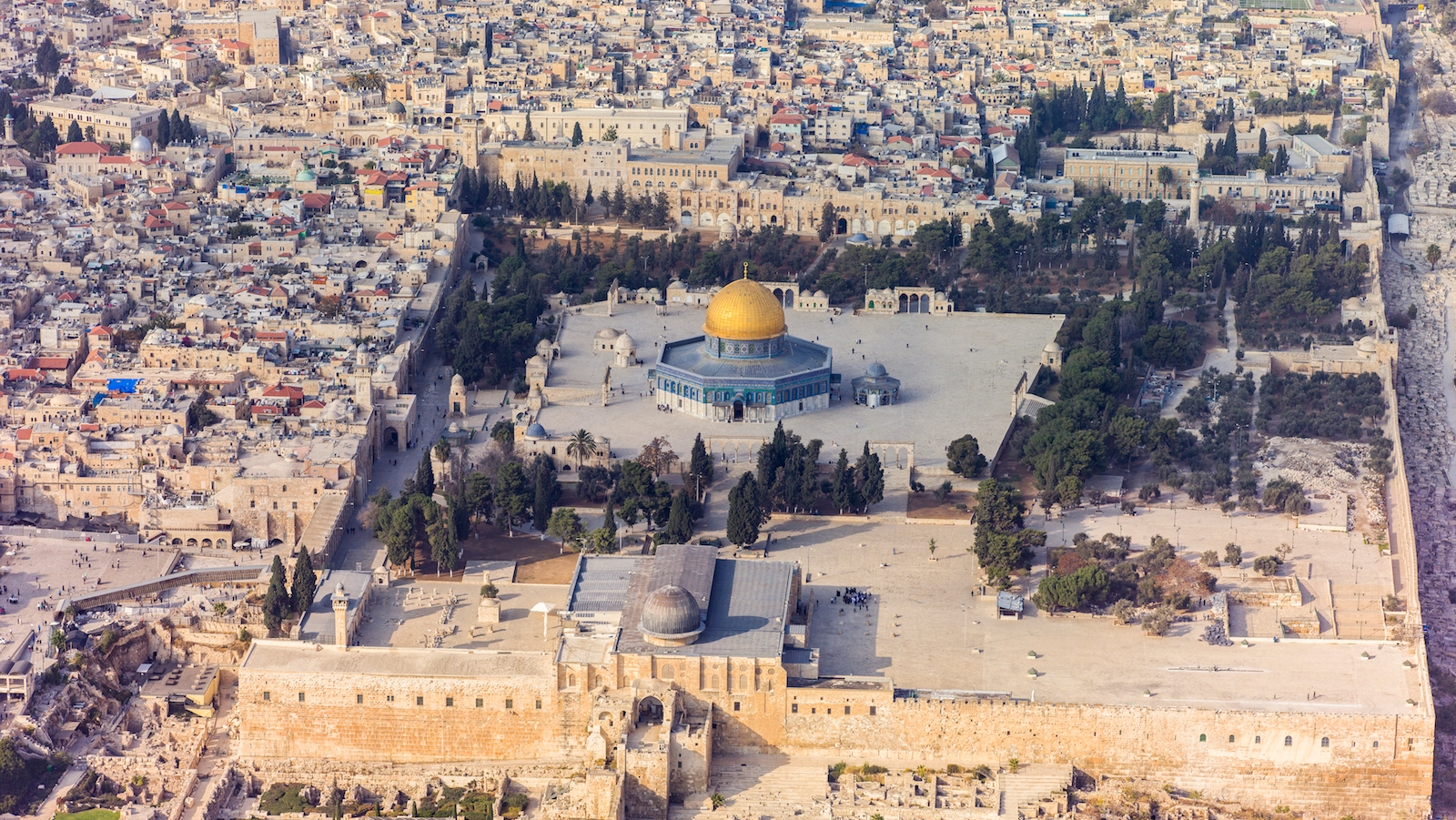
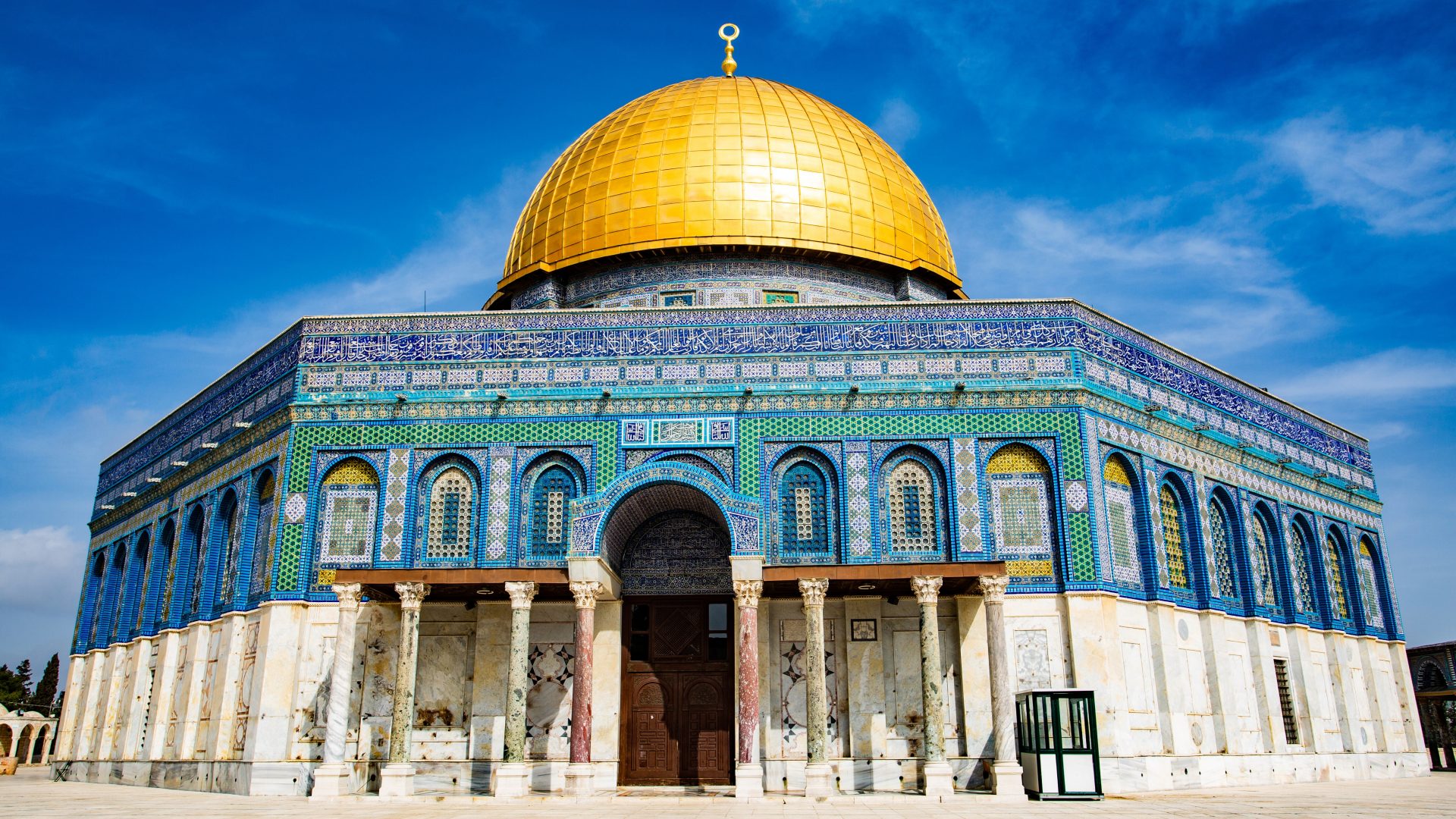
A second temple was built later, but it was smaller and did not have the original Tabut-e-Sakina. The Romans destroyed that one, too. Today, the site of the old Heikal-e-Suleimani is known as the Temple Mount. It is a holy place for many faiths, including the location of Al-Aqsa Mosque.
The Tabut-e-Sakina in Islamic, Jewish, and Christian Views
The Tabut-e-Sakina appears in the Quran, the Bible, and Jewish holy booksn Islam, it teaches about trust in God and the importance of prophets. In Judaism, the Ark of the Covenant is the holiest object, a sign of the covenant at Mount Sinai. Christians also respect the stories of the Ark as part of their Old Testament history.
All three faiths agree on one thing: the Tabut-e-Sakina was a real object that showed God’s direct involvement in human affairs. It was never worshipped itself. It always pointed back to the One True God.
Mysteries Surrounding the Tabut-e-Sakina Today
Where is the Tabut-e-Sakina now? This question has no single answer. Some traditions say it is hidden in a secret place. Others mention Ethiopia, where a church claims to keep a similar ark. Many Muslim scholars say its exact location is known only to Allah. The mystery makes the Tabut-e-Sakina even more interesting. It encourages people to focus on faith instead of searching for lost objects.
Some modern stories link the Tabut-e-Sakina to end-time events or new temples. But in Islam, we are told to focus on good deeds and prayer rather than speculation. The real value of the Tabut-e-Sakina lies in the lessons it left behind.
Spiritual Lessons from the Tabut-e-Sakina and Heikal-e-Suleimani
The story of the Tabut-e-Sakina and the Heikal-e-Suleimani gives us many lessons for daily life:
- Obedience brings blessings. When the people respected the Tabut-e-Sakina, they received peace and victory.
- Material things are temporary. Even a golden chest and a grand temple can be lost if faith is weak.
- True power is from God. Kings, temples, and holy objects are only tools. Allah is the real source of strength.
- Peace comes from inside. The “Sakina” in the Tabut-e-Sakina shows that real calm is a gift from God to the heart.
- Wisdom builds lasting things. Prophet Suleiman’s wise rule turned a plan into a beautiful temple that stood for centuries.
These lessons are still useful today. In our busy world, we can remember the Tabut-e-Sakina and ask for Sakina – peace – in our own hearts.
Why the Heikal-e-Suleimani Remains Special in History
Even after its destruction, the Heikal-e-Suleimani is remembered as a wonder of the ancient world. It showed what faith and hard work can achieve. Its location in Jerusalem continues to be important for billions of people. The temple proved that a building can become a symbol of hope and unity.
The Heikal-e-Suleimani was special because it connected heaven and earth through the Tabut-e-Sakina. It was a place where prayers were answered and prophets taught. Its memory inspires architects, leaders, and believers even now.
Modern Interest in These Sacred Stories
Today, people study the Tabut-e-Sakina and the Heikal-e-Suleimani in books, documentaries, and online talks. Some search for clues about the lost chest. Others visit Jerusalem to see the Temple Mount. The stories remind us that history is full of miracles and warnings.
In Islam, we honor these events without turning them into idols. We focus on the Quran and the example of the prophets. The Tabut-e-Sakina and the Heikal-e-Suleimani point us back to tawhid – the oneness of God.
A Final Reflection on Faith and History
The Tabut-e-Sakina was more than a chest. It was a vessel of divine peace. The Heikal-e-Suleimani was more than a temple. It was a home built with wisdom to protect that peace. Together, they teach us to value faith above everything else.
By learning about the Tabut-e-Sakina and understanding why the Heikal-e-Suleimani is considered special, we grow in knowledge and spirituality. May these stories bring Sakina – peace – to all who read them.
.jpg "What is the Tabut-e-Sakina, and Why is the Heikal-e-Suleimani Considered Special?")
Disclaimer
This article is written for educational and informational purposes only. It is based on traditional Islamic sources, historical accounts, and shared religious narratives from Judaism and Christianity. Different scholars and faiths may have varying interpretations. This content does not claim to be the final authority on any religious matter. Readers should consult qualified religious scholars for personal guidance. The author and publisher are not responsible for any misuse or misinterpretation of the information provided.
FAQs
1. What is the Tabut-e-Sakina exactly? The Tabut-e-Sakina is a sacred golden-covered chest mentioned in the Quran. It contained holy relics from prophets Musa and Harun and brought divine peace (Sakina) to the believers.
2. Where is the Tabut-e-Sakina mentioned in the Quran? It is mentioned in Surah Al-Baqarah, verse 248, as a sign of true kingship for Talut.
3. What did the Tabut-e-Sakina contain? It held the tablets of the Torah, Prophet Musa’s staff, items from Prophet Harun, and a pot of manna from heaven.
4. Why was the Heikal-e-Suleimani built? Prophet Dawood planned it, and Prophet Suleiman completed it to provide a safe, honorable home for the Tabut-e-Sakina.
5. Why is the Heikal-e-Suleimani considered special? It housed the Tabut-e-Sakina, showed divine wisdom in its design, and served as the central place of worship and justice for the Children of Israel.
6. What happened to the Tabut-e-Sakina after the temple was destroyed? Its exact fate is a mystery. Some traditions say it was taken away or returned to heaven. Its location today is known only to Allah.
7. Is the Tabut-e-Sakina the same as the Ark of the Covenant? Yes. In Isla,m it is called Tabut-e-Sakina, while Jewish and Christian traditions call it the Ark of the Covenant. They refer to the same sacred object.
8. Can we see the Heikal-e-Suleimani today? No. The original temple was destroyed. The site is now the Temple Mount in Jerusalem, home to the Dome of the Rock and Al-Aqsa Mosque.
9. What lessons does the story of the Tabut-e-Sakina teach us? It teaches obedience, gratitude, and that real peace comes from faith in God, not from objects or buildings.
10. Why do people still talk about the Tabut-e-Sakina and Heikal-e-Suleimani? These stories show God’s power, the importance of prophets, and timeless lessons about faith that are relevant in every age.
References
- Seekers Pathway: Taboot-e-Sakina (Ark of the Covenant) in Islam and the Bible
- Al-Mawrid Queries on Taboot-e-Sakeenah
- Islamic Voice: The Taboot-E-Sakina (The Ark of the Covenant)
- Various historical and Quranic tafsirs on Surah Al-Baqarah 2:248
- Traditional accounts of Prophet Suleiman and the construction of the temple
- Scholarly discussions on the history of Bani Israel and sacred relics
This article provides a complete, easy-to-read guide to help you understand the Tabut-e-Sakina and the special status of the Heikal-e-Suleimani. May it increase your knowledge and bring peace to your heart.
