

What was the true reality of Yazid?
What was the true reality of Yazid? This important question continues to interest Muslims around the world. Yazid ibn Muawiya served as the second caliph of the Umayyad Caliphate from 680 to 683 CE. His brief rule remains one of the most debated periods in early Islamic history, mainly because of the Battle of Karbala and its lasting effects on the Muslim community.
In this easy-to-read article, we examine historical facts, different viewpoints, and key events to understand what was the true reality of Yazid? We rely on accounts from classical historians while presenting a balanced view. The focus remains on facts, context, and lessons for today.

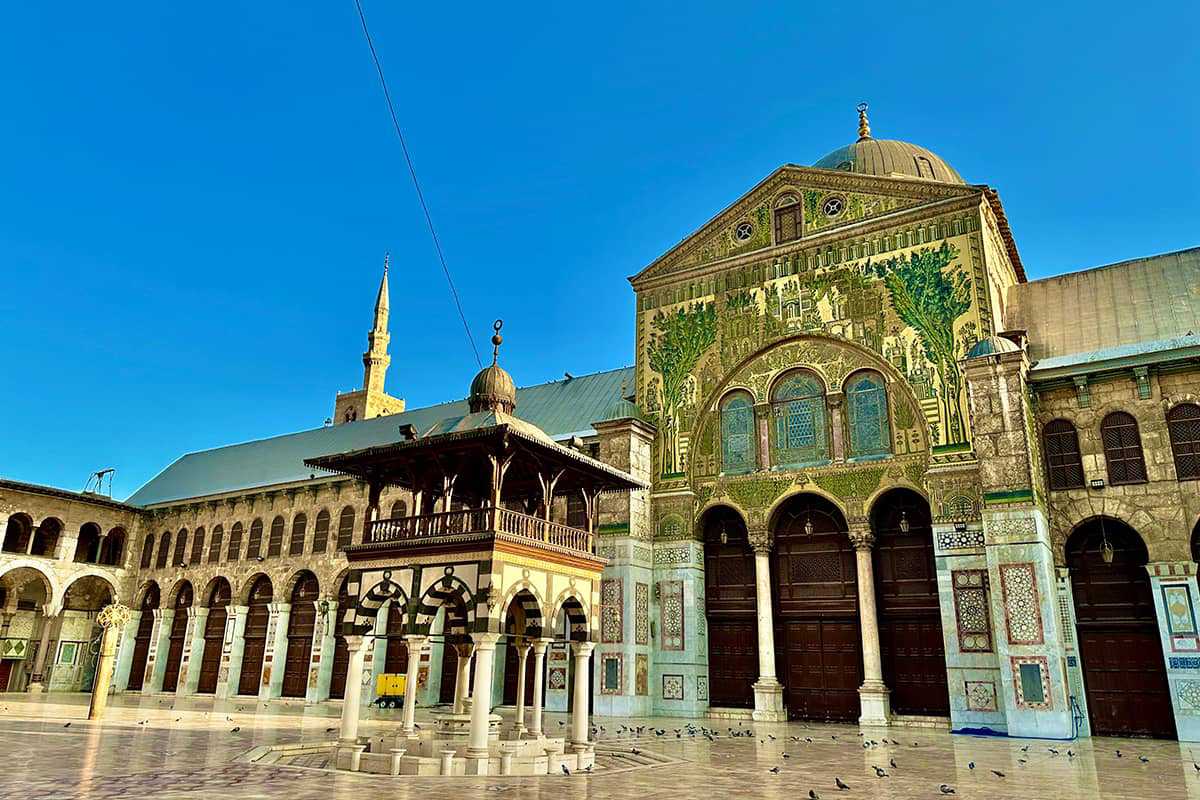
The Umayyad Mosque in Damascus, the center of Yazid’s capital. This grand mosque symbolizes the power and architecture of the Umayyad period.
Early Life and Family Background
Yazid was born around 646 CE in Syria. His father, Muawiya ibn Abi Sufyan, founded the Umayyad dynasty after serving as governor of Syria and later becoming caliph. His mother, Maysun, came from a Christian Arab background. Yazid grew up in a politically powerful family that had played a complex role during the early days of Islam.
As a young man, Yazid joined military expeditions. He took part in campaigns against the Byzantine Empire, including attempts to capture Constantinople. These experiences gave him some military training, though he is often remembered more for court life than battlefield leadership.
Muawiya ruled wisely for nearly 20 years from Damascus. Before his death in 680 CE, he arranged for Yazid to succeed him. This was the first time the caliphate passed from father to son in Islamic history. Many respected figures, including Imam Husayn (grandson of Prophet Muhammad, peace be upon him) and Abdullah ibn Zubayr, refused to give allegiance (bay’ah) to Yazid. This disagreement created immediate tension.
What was the true reality of Yazid? At the time of his accession, Yazid was about 33 to 35 years old. He inherited a vast empire stretching across North Africa, the Middle East, and parts of Central Asia. His main task was to keep this diverse territory united under Umayyad rule.
Rise to Power and Early Rule
When Muawiya passed away, Yazid quickly secured support in Syria, where the Umayyad family had strong tribal backing. He kept many experienced officials from his father’s time. Some records mention efforts to improve irrigation in the Damascus region and fairer tax policies for non-Muslim communities like Christians.
However, opposition grew in the holy cities of Medina and Mecca. Imam Husayn left Medina and went to Mecca, then received invitations from supporters in Kufa (Iraq) to come and lead them. This decision set in motion the events that would define Yazid’s legacy.
Yazid instructed his governor in Kufa, Ubaydullah ibn Ziyad, to maintain order and prevent any uprising. The governor took strong measures, which led to the confrontation at Karbala.
Personal Character and Daily Life
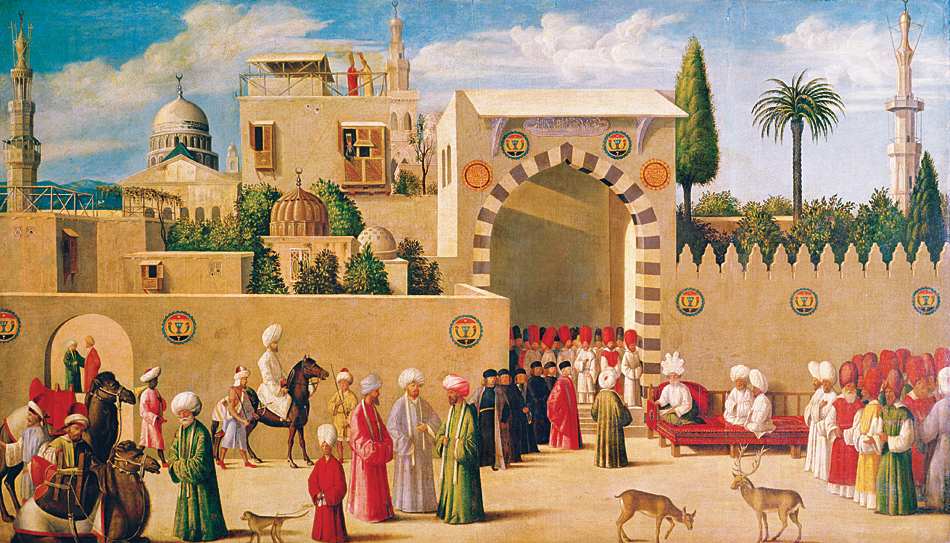
Discussions about what was the true reality of Yazid? often turn to his personal habits. Historical sources describe him as someone who enjoyed hunting, poetry, and certain forms of entertainment common among rulers of that time. Some later accounts mention his fondness for music, wine, and keeping animals as pets — practices that many religious scholars viewed as worldly or against strict Islamic ideals.
Other reports present a more balanced picture. Some narrations say Yazid offered prayers and showed respect for certain Islamic practices. He lived in Damascus, where the court focused on administration, poetry, and strengthening the empire’s defenses.
Physical descriptions from old texts portray him as having a fair to wheat-colored complexion, a somewhat stout build, and marks on his face from an earlier illness. He spent most of his time in and around Damascus, managing affairs from the Umayyad capital.
Supporters argue that personal flaws should not overshadow governance achievements. Critics believe his lifestyle reflected a shift from the simple, pious rule of the early caliphs to a more kingly style.
The Battle of Karbala: The Defining Event
The most significant and tragic event during Yazid’s rule is the Battle of Karbala in 680 CE (61 AH). This is where the question what was the true reality of Yazid? becomes most intense.
Imam Husayn refused to pledge allegiance to Yazid, believing the new rule did not fully uphold Islamic principles of justice. He traveled toward Kufa with a small group of family members and loyal companions — around 72 men in total. At Karbala, near the Euphrates River, they were surrounded by a much larger force commanded by Umar ibn Sa’ad under orders from the governor of Kufa.
On the 10th of Muharram (the day of Ashura), a one-sided battle took place. Imam Husayn, his brothers, sons, and most companions were martyred. The surviving women and children, including Imam Zayn al-Abidin, were taken as captives to Kufa and then to Damascus.


Artistic depictions of the Battle of Karbala, showing the tragic stand of Imam Husayn and his small group against a large army. These images help visualize the scale and emotion of this historic event.
Accounts differ on Yazid’s direct role. Some historians say he only wanted allegiance and to stop rebellion, without ordering the killing of Husayn. Others hold him responsible as the caliph who appointed the governor and set the overall policy. When the head of Imam Husayn was presented in Damascus, some reports say Yazid showed signs of regret and blamed Ibn Ziyad, while other accounts describe a less remorseful reaction.
The captives were eventually treated with respect in Damascus according to several narrations. Yazid allowed the family to mourn and later permitted them to return to Medina. However, the damage was done. The martyrdom at Karbala created deep sorrow across the Muslim world and strengthened the memory of sacrifice for justice.
Other Major Events in Yazid’s Reign
Yazid’s rule faced several rebellions. After Karbala, Abdullah ibn Zubayr declared himself caliph in Mecca and gained followers in the Hijaz and parts of Iraq.
In 683 CE, Yazid sent an army to Medina to restore order. This led to the Battle of al-Harrah, where the city suffered greatly for three days. Many residents, including descendants of the Prophet’s companions, lost their lives. The army then advanced toward Mecca. They reportedly used catapults, causing damage to the Kaaba area.
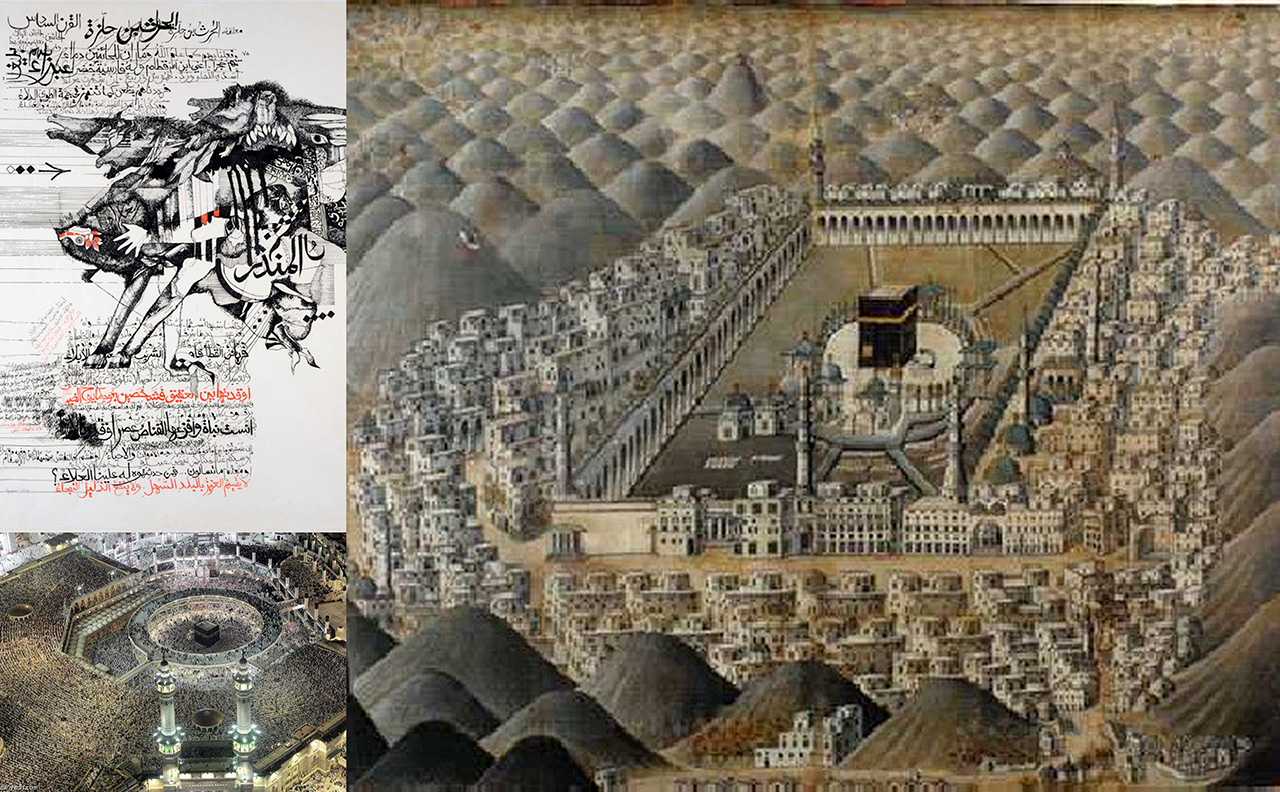

Historical views of Mecca and the Kaaba. During Yazid’s time, conflict reached the holy city, further complicating his legacy.
While the siege of Mecca was underway, news arrived of Yazid’s sudden death in November 683 CE (14 Rabi al-Awwal 64 AH). The army withdrew. His son Muawiya II briefly became caliph but soon stepped down.
What was the true reality of Yazid? His reign lasted less than four years. It brought no major new conquests and was dominated by internal conflicts rather than expansion or stability.
Different Muslim Perspectives
Muslim opinions about Yazid vary:
- Shia Muslims generally regard him as a tyrant and symbol of oppression due to the events at Karbala. They remember him negatively in annual Ashura commemorations, viewing the tragedy as resistance against unjust rule.
- Sunni scholars hold a range of views. Many strongly condemn the killing of Imam Husayn (a beloved grandson of the Prophet) and the suffering in Medina and Mecca. However, they often avoid extreme cursing of Yazid, seeing him as one of the early Muslim rulers who made serious mistakes. Some advise neither excessive praise nor hatred, following the guidance of scholars like Imam Ahmad ibn Hanbal.
Modern academic historians study Yazid as a product of his era — a ruler managing tribal politics, power struggles, and a newly formed dynasty. They note the shift from the consultative style of the Rashidun Caliphs to a more hereditary, monarchical system.

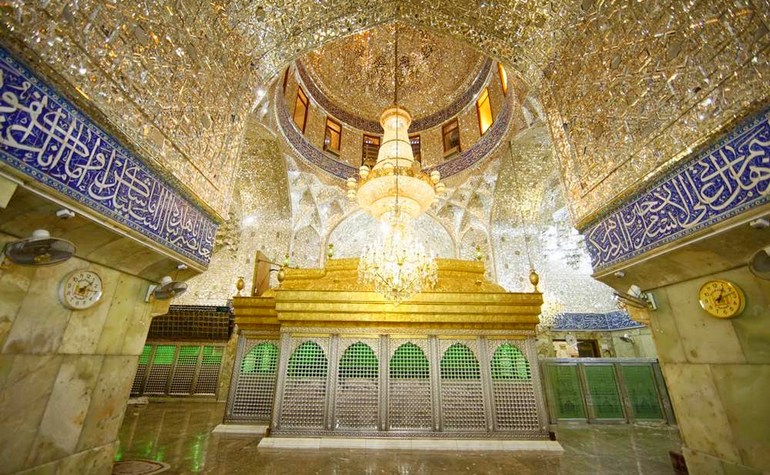
The beautiful shrine of Imam Husayn in Karbala, Iraq. Millions visit every year to honor his sacrifice and remember the events of 680 CE.
Administrative Efforts and Cultural Life
Despite the controversies, Yazid continued some of his father’s policies. The Umayyad court in Damascus supported Arabic poetry and early architectural projects. The Umayyad Mosque, though completed later, reflects the dynasty’s vision of blending faith and power.
Yazid reportedly paid attention to agriculture and water management around Damascus. Relations with Christian communities in Syria remained relatively stable, as they formed an important part of the population and administration.
These positive aspects are often forgotten amid the political violence. The introduction of hereditary succession marked a major change in Islamic governance that later caliphs built upon.
Legacy and Long-Term Impact
Yazid died at a relatively young age (around 36–40) in Damascus. His short rule left a mixed legacy. The Umayyad dynasty continued for many decades, achieving great architectural wonders under later rulers like Abd al-Malik and al-Walid I. Yet the tragedies under Yazid remain deeply etched in Muslim memory.
What was the true reality of Yazid? Today, the answer still depends on perspective. For many, he represents the risks of power without strong moral checks. The story of Karbala teaches universal lessons about courage, justice, and standing against oppression.
Ashura commemorations keep these memories alive across the world. They serve as a call for truth, patience, and ethical leadership rather than division.
Scholars from different schools encourage Muslims to focus on unity, love for the family of the Prophet (Ahl al-Bayt), and learning moral lessons instead of fueling old hatreds. The Prophet Muhammad (peace be upon him) taught mercy and warned against excessive division.
Important Lessons from Yazid’s Era
Studying this period offers several key takeaways:
- Justice in Leadership — True Islamic leadership must prioritize fairness and accountability. Imam Husayn’s refusal to accept unjust rule highlights this principle.
- Power and Succession — The move to hereditary rule raised important questions about consultation (shura) that still matter in discussions about governance.
- Muslim Unity — Events like Karbala and al-Harrah caused pain and division. Today, Muslims are encouraged to focus on shared faith and avoid extremes that create fitna (discord).
- Sacrifice for Truth — The stand at Karbala inspires people globally in struggles for human rights and dignity.
- Careful Study of History — We should read multiple sources, understand context, and avoid one-sided narratives.
What was the true reality of Yazid? He was a complex historical figure — a capable administrator in some ways, yet a ruler whose decisions led to profound tragedies. His reign shows how personal and political choices can shape centuries of thought and identity.
By approaching history with fairness and a desire for understanding, we can draw positive lessons while respecting the deep emotions tied to these events.
In today’s world, reflecting on what was the true reality of Yazid? reminds us to value justice, mercy, and unity. Leadership is a sacred trust. The best leaders serve their people with honesty and fear of God.
The memory of Karbala continues to teach that standing for truth, even when outnumbered, has eternal value. May we all learn to build better societies based on these timeless Islamic values.
Disclaimer
This article is written purely for educational and historical information. It presents a balanced overview based on classical and modern sources. Different Muslim communities hold varying opinions about Yazid. The goal is not to promote any sectarian view or cause division. Readers should consult qualified Islamic scholars for religious advice. History is complex, and interpretations differ. Respect for all perspectives is important.
FAQs
Q1: Who exactly was Yazid? Yazid ibn Muawiya was the second Umayyad caliph who ruled from 680 to 683 CE. He was the son of Muawiya I and the first to inherit the caliphate.
Q2: Why is the Battle of Karbala so important when discussing Yazid? It is the central tragedy of his reign. Imam Husayn and his small group were martyred there, creating lasting sorrow and shaping views about justice and leadership.
Q3: Do all Muslims view Yazid the same way? No. Shia Muslims usually condemn him strongly. Many Sunni Muslims condemn the killing of Husayn but avoid extreme positions on Yazid personally.
Q4: Did Yazid directly command the events at Karbala? Sources differ. Some say his orders were to secure allegiance; others hold him accountable as the overall ruler. He reportedly showed regret in certain narrations.
Q5: What can modern Muslims learn from this history? Key lessons include the importance of just leadership, the value of patience and sacrifice, and the need for Muslim unity despite historical differences.
Q6: Where should I read more reliable information? Classical works like Tarikh al-Tabari are good starting points. Balanced modern books and lectures by respected scholars can also help.
References
- Al-Tabari, History of the Prophets and Kings (Tarikh al-Rusul wa al-Muluk)
- Works of al-Baladhuri and later historians like al-Dhahabi
- Modern analyses from academic sources on Umayyad history
- Britannica and reliable encyclopedic entries on Yazid I and Karbala
- Scholarly discussions by contemporary Islamic thinkers on leadership and history
