

Who Was Abdullah Ibn Ubayy?
Abdullah Ibn Ubayy was a powerful chief in the city of Medina during the early days of Islam. Many people today ask, Abdullah Ibn Ubayy kon tha? He is remembered in Islamic history as the leader of the hypocrites, known as munafiqun in Arabic. But his story is not just about one man. It teaches us important lessons about faith, leadership, and human nature. In this long article, we will explore the full life of Abdullah Ibn Ubayy in simple and easy English. We will look at his early days, his role in Medina, his actions during key events, what the Quran says about him, and the lessons we can learn even today.
The time of Abdullah Ibn Ubayy was the 7th century in Arabia. Life was hard. Tribes fought each other for power, water, and land. Cities like Mecca and Medina (then called Yathrib) were centers of trade and culture. Abdullah Ibn Ubayy belonged to the Banu Khazraj tribe, one of the two big Arab tribes in Medina. The other was Banu Aws. These tribes often fought, but Abdullah Ibn Ubayy tried to bring peace and become a big leader.

Before Islam came to Medina, many people thought Abdullah Ibn Ubayy would become the king. He was respected. He had helped his tribe in old wars. But everything changed when Prophet Muhammad arrived in Medina in 622 CE during the Hijrah. This event changed the city forever. Abdullah Ibn Ubayy kon tha at that time? He was a man who saw his power slipping away. He chose to accept Islam on the outside, but inside, his heart was not fully with it. This made him the leader of those who pretended to be Muslims but worked against the new faith.
Early Life of Abdullah Ibn Ubayy
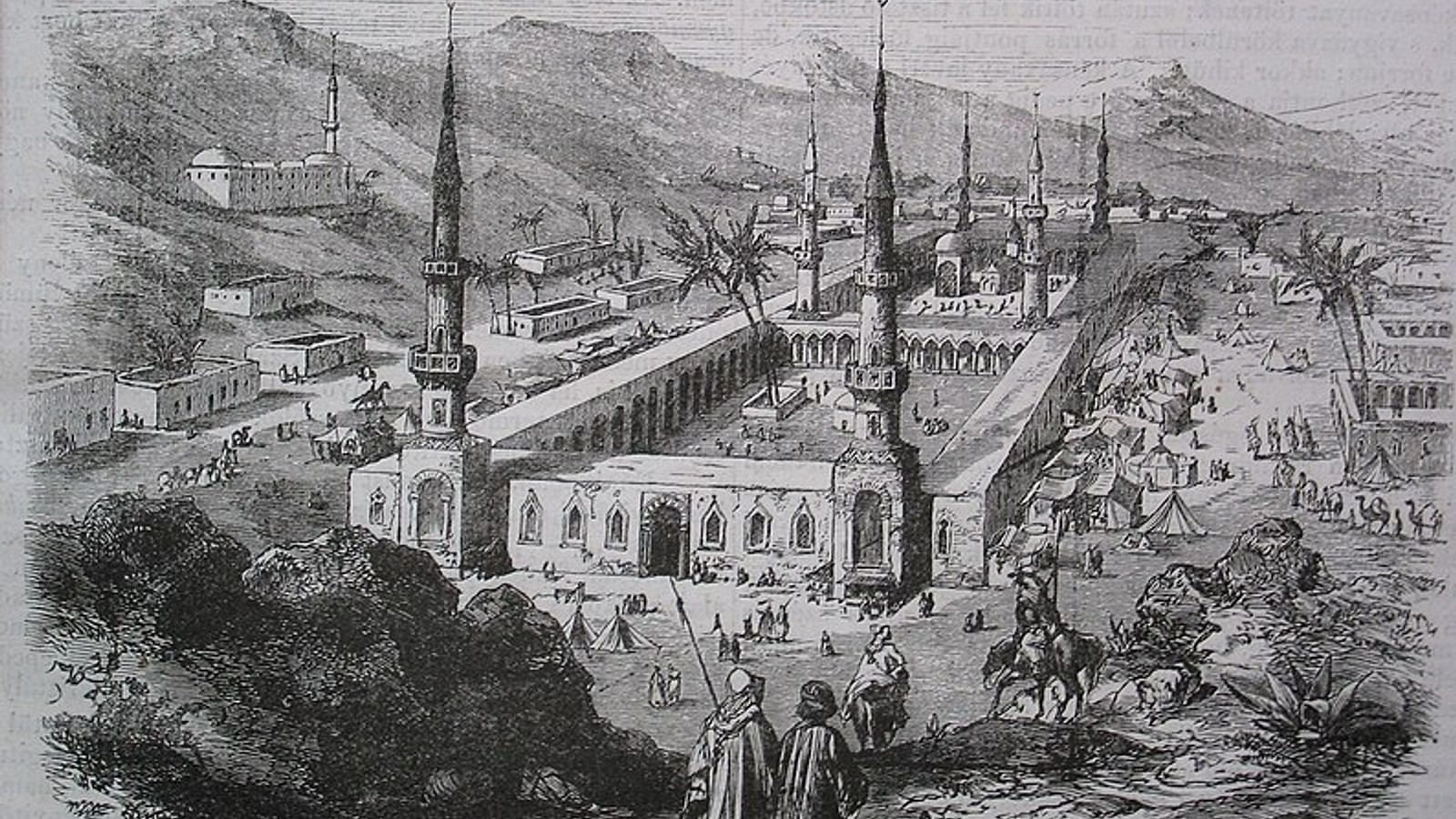
To understand Abdullah Ibn Ubayy, we must go back to his childhood and youth in Medina. Medina was an oasis with date palm trees, farms, and strong walls. People lived in small houses made of mud and stone. The air was often hot and dry, but the palm trees gave shade and food. Arab tribes like Banu Khazraj and Banu Aws had lived there for generations. They also had Jewish tribes living nearby, such as Banu Qaynuqa, Banu Nadir, and Banu Qurayza. These groups sometimes helped each other and sometimes fought.

Abdullah Ibn Ubayy was born into a leading family of Banu Khazraj. His full name was Abd-Allah ibn Ubayy, but people also called him Ibn Salul after his grandmother. In the old days, before Islam, the tribes of Medina were divided. There were bloody fights called the Fijar Wars and the Battle of Bu'ath. Abdullah Ibn Ubayy fought in some of these. He led his people bravely on some days but stayed away on others. He once said that 300 soldiers in armor and 400 without helped save him in battles.
Because of his wisdom and strength, Abdullah Ibn Ubayy became very popular. The people of Medina wanted someone strong to unite the tribes and stop the fights. Many believed Abdullah Ibn Ubayy would be their king. He worked to make peace between Banu Aws and Banu Khazraj. He had friends among the Jewish tribes, too. This gave him power and respect. Life in pre-Islamic Medina was about loyalty to your tribe first. Honor, revenge, and power mattered a lot. Abdullah Ibn Ubayy was good at this old system.
But then came the big change. In Mecca, Prophet Muhammad started teaching the message of one God, Allah. People in Mecca did not like this. They attacked the Muslims. So, in 622 CE, the Prophet and his followers moved to Medina. This is called the Hijrah. The people of Medina invited him because they hoped he could bring peace between the fighting tribes. When the Prophet arrived, the whole city welcomed him. But for Abdullah Ibn Ubayy, this was a problem. His dream of becoming king was gone. The Prophet became the new leader.
Abdullah Ibn Ubayy did not fight openly at first. He was smart. He saw that many people loved the Prophet. So, he joined Islam publicly. But historians say his heart was not changed. This is why he is called the leader of the hypocrites. Hypocrites are people who say one thing but do another. In Arabic, they are munafiqun. The Quran later talked about this group many times.
How Abdullah Ibn Ubayy Became Part of the Muslim Community
After the Hijrah, life in Medina became organized. The Prophet made a special agreement called the Constitution of Medina. It brought Arabs and Jews together under fair rules. Everyone had rights. Abdullah Ibn Ubayy kon tha in this new setup? He was still a chief, but now he had to share power. He attended meetings and prayers. On the outside, he looked like a good Muslim. He prayed in the mosque and joined some events.
But deep inside, he felt angry. He lost the chance to rule alone. Some people who followed him felt the same. They becameae group of hypocrites. They smiled in front of the Prophet but whispered against him behind his back. They spread rumors and tried to create fights between groups. Abdullah Ibn Ubayy was their main leader. He did not leave Islam openly because that would be dangerous. Instead, he stayed and tried to weaken the community from the inside.
This was a new challenge for the young Muslim community. The Prophet had to deal with enemies from outside (like the Quraysh from Mecca) and problems from inside (like the hypocrites). Abdullah Ibn Ubayy used his old influence to gather supporters. He had about 300 men who listened to him. This number was big because the total Muslim army at some battles was only around 700 or 1000.
The Hypocrites and Their Ways
What is a hypocrite? In simple words, it is someone who pretends to believe in something but does not really mean it. The Quran describes hypocrites clearly in Surah Al-Munafiqun (Chapter 63). It says they swear by Allah but lie. When they are with believers, they say nice things. But when they go back to their own people, they make fun of the believers.
Abdullah Ibn Ubayy was the head of this group. He did not fight in every battle. Sometimes he gave bad advice on purpose. He wanted to make the Muslims look weak. He also tried to create fights between the people who came from Mecca (called Muhajirun) and the people of Medina (called Ansar). The Prophet worked hard to keep everyone united. But Abdullah Ibn Ubayy and his followers kept trying to divide them.
The Quran gave clear signs about hypocrites so Muslims could recognize them. For example, they avoid hard work for the faith. They make excuses not to fight when needed. They love money and power more than truth. Abdullah Ibn Ubayy showed all these signs over time. But the Prophet was patient. He did not punish people just on suspicion. He waited for clear proof and always chose mercy when possible.
Key Events in the Life of Abdullah Ibn Ubayy
Abdullah Ibn Ubayy was involved in many important moments in early Islam. Let us look at them one by one in simple detail.
First, the Battle of Badr in 624 CE. This was the first big battle between Muslims and the Quraysh from Mecca. Abdullah Ibn Ubayy did not go to this battle. Some say he stayed behind because he did not fully believe yet. The Muslims won at Badr even with a small army. This victory made many people in Medina respect the Prophet more. But it made Abdullah Ibn Ubayy jealous because his power became smaller.
Next came the Expedition against Banu Qaynuqa in 624 CE. After Badr, there was tension with one Jewish tribe. The Prophet besieged them. Abdullah Ibn Ubayy went to the Prophet and asked for mercy for his Jewish friends. He said they had helped him in old battles. The Prophet listened and let the tribe leave Medina safely instead of harsher punishment. This showed Abdullah Ibn Ubayy still had some old alliances.
Then came the Battle of Uhud in 625 CE. This is one of the most famous events linked to Abdullah Ibn Ubayy. The Quraysh came with a big army to take revenge for Badr. The Prophet asked the Muslims what to do – fight outside Medina or stay inside and defend. Many young men wanted to fight outside. Abdullah Ibn Ubayy advised staying inside the strongholds. He said, “Our city is like a virgin that has never been defeated from the inside.” But the Prophet decided to go out.
When the army marched, Abdullah Ibn Ubayy took his 300 men and went back to Medina. He said the Prophet did not listen to him. This made the Muslim army weak. Only about 700 men were left to face 3000 enemies. The battle was difficult. Muslims had early success, but then lost because some archers left their posts. Many good Muslims died. The Quran later said in Surah 3:166 that the withdrawal showea d lack of true faith. Abdullah Ibn Ubayy’s action hurt the community a lot.
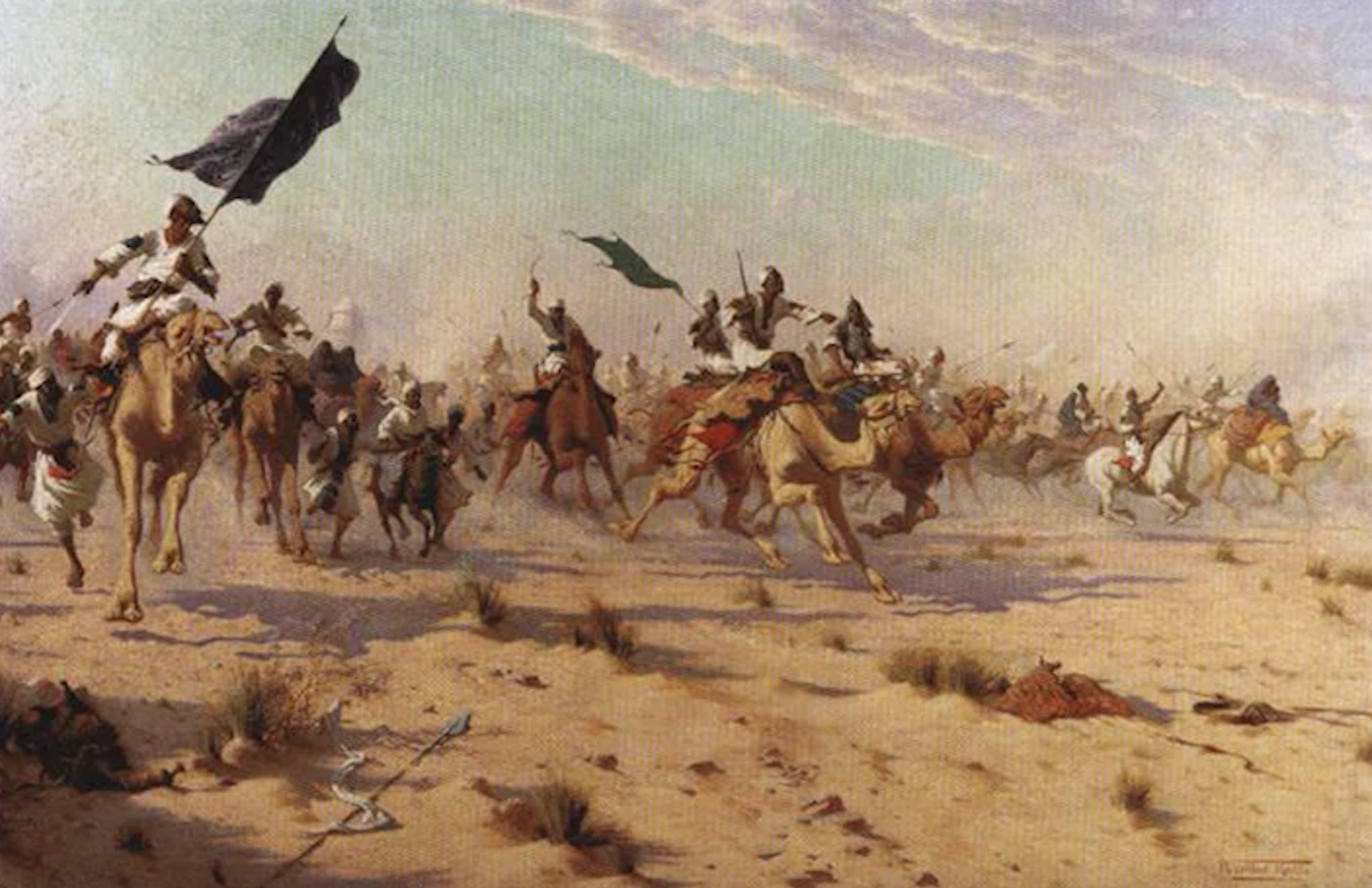
Another big event was the Expedition of al-Muraysi (also called against Banu Mustaliq) in 627 CE. The Muslims went to fight a tribe that was planning to attack. After the victory, on the way back, Abdullah Ibn Ubayy said something very bad. He complained about the Muhajirun (people from Mecca) living in Medina. He said, “When we return to Medina, the honorable will drive out the meaner.” This meant the local people should throw out the newcomers. Someone reported it to the Prophet. Umar wanted to kill him. But the Prophet said no. Even Abdullah Ibn Ubayy’s own son, who was a true believer, offered to kill his father if needed. The Prophet refused. Instead, the Quran revealed Surah Al-Munafiqun to warn about such talk.
During the same trip or around this time, the Incident of Ifk happened. This was a terrible lie spread against Aisha, the Prophet’s wife. Abdullah Ibn Ubayy was the main person who started and spread the rumor. He said bad things about her to hurt the Prophet and the Muslims. The whole community was sad for many days. Finally, the Quran in Surah An-Nur (24) proved Aisha innocent and punished the people who spread lies. Abdullah Ibn Ubayy did not confess openly, so he was not punished directly. But everyone knew he was behind it.
Abdullah Ibn Ubayy also took part in other events, like the Expedition against Banu Nadir. He sent secret messages promising help to the Jewish tribe,e but did not deliver. In the March to Hudaybiyya in 629 CE, he went along but caused no big trouble that we know of.
All these events show a pattern. Abdullah Ibn Ubayy kon tha? He was a man who used words, rumors, and secret plans instead of open fight. He wanted to weaken Islam without losing his own safety.
What the Quran Says About Abdullah Ibn Ubayy and the Hypocrites
The Quran is the holy book of Islam. It was revealed piece by piece during the Prophet’s life. Several parts talk directly about hypocrites and events linked to Abdullah Ibn Ubayy.
Surah Al-Munafiqun (Chapter 63) was revealed after the Muraysi expedition. It describes how hypocrites look and act. It says their oaths are like a shield to hide their bad deeds. When you see them, you like their words, but their hearts are empty. The chapter ends with a warning: do not let their wealth or children impress you. Allah knows their secrets.
Other verses in Surah At-Tawbah (Chapter 9) talk about people who stayed behind from battles and made excuses. After the Tabuk expedition in 630 CE, some verses were revealed about hypocrites who did not join.
Surah Al-Imran (3:166), it refers to the Uhud battle and those who turned back.
The Quran did not name Abdullah Ibn Ubayy every time, but Islamic scholars agree that many verses point to him and his group. This was to teach the whole community how to spot fake faith and stay united.
The Prophet never used the Quran to attack personally in public without reason. He taught patience. But the verses helped Muslims understand true faith versus hypocrisy.
The Family of Abdullah Ibn Ubayy: A Story of Contrast
Abdullah Ibn Ubayy had three wives: Khawla bint al-Mundhir, Lubna bint Ubada, and Rayta bint Amir. He had nine children. Interestingly, all his children became sincere Muslims. His most famous son was also named Abdullah – Abdullah ibn Abdullah ibn Ubayy.
This son was completely different from his father. He was a true companion of the Prophet. He fought in battles like Badr and Uhud. During the Muraysi expedition, when his father said the bad words, the son offered to kill his own father to prove his loyalty to Islam. The Prophet stopped him and said, “Do not kill your father.” The son still loved his father but put faith first.
When Abdullah Ibn Ubayy died, his son asked the Prophet to lead the funeral prayer. The Prophet agreed. This shows the son’s good character and the Prophet’s mercy.
The story of father and son is a powerful example. Even in the same family, one can choose hypocrisy while the other chooses true faith. It teaches that family ties do not decide your beliefs. Your own actions do.
Death of Abdullah Ibn Ubayy and the Prophet’s Kindness
Abdullah Ibn Ubayy died in 631 CE, about two months after the Prophet returned from the Tabuk expedition. He became sick and knew he was dying. He asked the Prophet to visit and pray for him.
The Prophet went. Even though Abdullah Ibn Ubayy had caused so much trouble, the Prophet showed mercy. When Abdullah Ibn Ubayy died, the Prophet led the funeral prayer (Janazah) and prayed over his grave. Umar was upset and said, “He is a hypocrite. Why pray for him?” The Prophet replied that he had permission from Allah and wanted to show kindness.
Later, a verse in Surah At-Tawbah (9:84) was revealed. It said not to pray over hypocrites in the future. But for Abdullah Ibn Ubayy, the prayer had already happened. His death marked the end of the powerful hypocrite group in Medina. No one else had the same influence after him. His followers slowly became less active.
The Prophet’s action at the funeral teaches us a big lesson: even with enemies, show mercy when possible. Do not take revenge after someone dies. This mercy made many people think about their own lives.
Lessons We Can Learn from Abdullah Ibn Ubayy Today
The story of Abdullah Ibn Ubayy is old, but the lessons are still fresh. Here are some important ones explained simply.
First, true faith is in the heart, not just words. Many people today say they are believers,s but their actions show something else. Abdullah Ibn Ubayy teaches us to check our own intentions. Are we sincere in prayer, helping others, and following good values?
Second, unity is very important. Abdullah Ibn Ubayy tried to divide Muslims. Today, in families, communities, or countries, some people spread rumors or create fights for personal gain. We must stay united like the early Muslims did.
Third, leadership is about service, not power. Abdullah Ibn Ubayy wanted kingship. The Prophet showed leadership through kindness, justice, and patience. Good leaders put the group first.
Fourth, hypocrisy can hide anywhere. Even in religious places, some people pretend. The Quran gives signs so we can protect ourselves and stay honest.
Fifth, mercy is stronger than anger. The Prophet prayed for Abdullah Ibn Ubayy even after all the pain he caused. This teaches forgiveness and hope that people can change (though in his case, he died without full change).
Sixth, family does not decide faith. The son became a hero while the father was remembered differently. Parents should guide children to good paths, but each person chooses.
Seventh, history helps us understand the Quran better. When we read Surah Al-Munafiqun, we remember Abdullah Ibn Ubayy and become careful in our own lives.
In modern times, we see similar things in politics, social media, and workplaces. People pretend to be friends but work against you. The life of Abdullah Ibn Ubayy reminds us to stay alert, stay sincere, and trust in Allah.
We can also learn about patience from the Prophet. He did not rush to punish. He gave chances and let the truth come out naturally.
Why Should We Study Abdullah Ibn Ubayy?
Many young people today ask, Abdullah Ibn Ubayy kon tha and why does it matter? Because his story is part of Islamic history. It is mentioned in hadith books and tafsir (Quran explanations). Knowing it helps us love the Prophet more for his patience. It helps us understand why the Quran has whole chapters about hypocrites.
Studying him also makes us better Muslims and better humans. We learn to spot fake behavior in ourselves and others. We learn the value of real friendship and real faith.
In schools, colleges, and homes, parents and teachers can use this story to teach values. It is not just a history lesson. It is a life lesson.
Abdullah Ibn Ubayy lived a life of hidden conflict. But the Prophet lived a life of open truth and mercy. One is remembered as a warning. The other is the best example.
Conclusion: A Story That Still Teaches Us
The life of Abdullah Ibn Ubayy is a mirror for all of us. He was a talented man with power and respect. But he chose the wrong path because of jealousy and pride. His story shows that outward success means nothing without inner faith.
We have traveled through his early life, his actions in battles, the Quran’s words, his family, and his death. Every part teaches something new. Abdullah Ibn Ubayy kon tha? He was the leader of hypocrites, but more importantly, he was a man whose choices give us guidance today.
Let us pray to Allah to keep our hearts sincere. Let us follow the Prophet’s example of patience and mercy. And let us remember that true victory comes from inside – from real faith and good deeds.
This is the complete story of Abdullah Ibn Ubayy in easy words. May it help you understand history better and live a better life.
Disclaimer
This article is written for educational and informational purposes only. It is based on historical Islamic sources, traditional biographies (Seerah), and Quranic references. Different scholars may have slight differences in details or interpretations. The article does not promote hate or division. Readers should consult qualified Islamic scholars for religious guidance. All historical events are presented neutrally to help understand the past.
FAQs
- Abdullah Ibn Ubayy kon tha? Abdullah Ibn Ubayy was a chief of the Banu Khazraj tribe in Medina. He is known as the leader of the hypocrites (munafiqun) in early Islamic history.
- Why is Abdullah Ibn Ubayy called a hypocrite? He accepted Islam outwardly but worked against the Prophet and the Muslim community from inside by spreading rumors and weakening unity.
- Did Abdullah Ibn Ubayy fight in any battles? He joined some expeditions but withdrew at the Battle of Uhud with 300 men. He did not fight in Badr.
- What was the Incident of Ifk? It was a false accusation against Aisha (the Prophet’s wife), started mainly by Abdullah Ibn Ubayy. The Quran proved her innocence.
- Why did the Prophet pray at Abdullah Ibn Ubayy’s funeral? The Prophet showed mercy and kindness even to those who opposed him. A later Quranic verse guided not to pray for hypocrites in future cases.
- What happened to Abdullah Ibn Ubayy’s son? His son was a sincere companion of the Prophet. He fought in battles and offered to punish his own father for the sake of Islam.
- Is there a Surah about Abdullah Ibn Ubayy? Surah Al-Munafiqun (Chapter 63) was revealed about the hypocrites led by him.
- When did Abdullah Ibn Ubayy die? He died in 631 CE (9 AH), shortly after the Tabuk expedition.
- What lessons does Abdullah Ibn Ubayy’s story teach? It teaches sincerity in faifaithhe importance of unity, the dangers of jealousy, and the power of mercy.
- Should we study hypocrites in Islam? Yes, the Quran and history teach us through these stories so we can avoid bad traits and stay on the right path.
Refrence
- Wikipedia: Abd-Allah ibn Ubayy (en.wikipedia.org/wiki/Abd_Allah_ibn_Ubayy)
- Wikipedia: Abd-Allah ibn Abd-Allah ibn Ubayy
- Al-Islam.org articles on early Islamic history and hypocrites
- Traditional Seerah books by Ibn Ishaq and Ibn Hisham
- Tafsir of Quran (explanations of Surah Al-Munafiqun and At-Tawbah)
- Historical accounts from Tabari and al-Waqidi
All information is drawn from publicly available historical and religious sources for accuracy and education.
