


Unraveling the Mystery: The Tragic Event Known as the Darkest Night in Madinah
Madinah is a city full of light, peace, and history for Muslims all over the world. It is where the Prophet Muhammad (peace be upon him) lived and built the first Muslim community. But even in this holy place, there was one night that many call the darkest night in Madinah. This tragic event happened right after the Prophet passed away in 632 CE. It left deep questions and sadness that people still talk about today.
The darkest night in Madinah is often linked to the house of Fatima Zahra, the beloved daughter of the Prophet Muhammad. Some stories say that on that night, a group of people came to the house to ask for allegiance to the new leader. What happened next is a mystery that has divided opinions for centuries. Was there anger? Was there harm? Or was it just a misunderstanding in a time of big change? In this article, we will look closely at the darkest night in Madinah, step by step, in simple words. We will explore the background, the events, the different views, and what it means for us today.
Many people who visit Madinah today pray at Masjid al-Nabawi and feel the peace of the city. But to understand the darkest night in Madinah, we must go back to the early days when the city was still young and full of hope after the Hijrah.
The Life of the Prophet in Madinah: Setting the Stage
The Prophet Muhammad arrived in Madinah in 622 CE after leaving Makkah. The people there welcomed him with open hearts. They became known as the Ansar, or helpers. Madinah became the center of Islam. The Prophet built the first mosque, which is now the beautiful Masjid al-Nabawi that millions visit every year.
In Madinah, the Prophet taught peace, justice, and family love. He had a special bond with his daughter Fatima. Fatima was known for her kindness, wisdom, and closeness to her father. She married Ali ibn Abi Talib, one of the Prophet's closest companions. Together, they had children like Hasan and Husayn, who are loved by all Muslims.
The Prophet's family lived a simple life near the mosque. Fatima helped her father a lot. She was called "the mother of her father" because she cared for him so much. Life in Madinah was not always easy. There were battles and challenges, but the community grew strong.
When the Prophet became ill in 632 CE, the whole city of Madinah felt the sadness. People prayed for his health. But he passed away peacefully. His death shook the Muslim world. Everyone wondered what would happen next. Who would lead the community? This question led to big changes and, sadly, to the darkest night in Madinah.
The days after the Prophet's death were filled with worry and meetings. The companions gathered to decide the future. But not everyone was at the main meeting. Some, like Ali and his family, stayed home to focus on the burial and grieving. This is where the story of the darkest night in Madinah begins to unfold.

What Was Happening in Madinah Right After the Prophet's Death?
After the Prophet left this world, the people of Madinah were in shock. The community needed a leader to keep things together. A group of companions met at a place called Saqifa to choose the next caliph, or leader. They picked Abu Bakr, a close friend of the Prophet and one of the first to accept Islam.
But Ali, Fatima's husband, and some others were not part of that quick meeting. They believed the leadership should stay in the Prophet's family, as the Prophet had shown special love for Ali and his household. This difference in views created tension in Madinah.
Meanwhile, Fatima was grieving deeply. She had lost her father, who was also her best friend and guide. In those tough days, the family stayed together in their small house near the mosque. The house was simple, made of mud bricks and palm leaves, just like many homes in old Madinah.
As the news of the new leader spread, some people wanted everyone to support Abu Bakr quickly. They went to different houses to ask for pledges of support, called bay'ah. This brings us to the events around the darkest night in Madinah.
Many historians talk about how the community was trying to stay united. But emotions were high. Some accounts say a group led by Umar ibn al-Khattab went to Fatima's house to ask Ali to give his pledge. What exactly happened that night is the mystery we are unraveling in the story of the darkest night in Madinah.
Unpacking the Events of the Darkest Night in Madinah
The darkest night in Madinah is remembered by many as the night when a group approached the house of Fatima and Ali. According to some historical reports, Umar and others called out for Ali to come out and give allegiance to Abu Bakr. They wanted the whole community to stand as one.
Some stories say the group threatened to burn the door if no one came out. Others say they pushed the door open. Fatima was standing behind the door, protecting her home and family. In these accounts, the door caused her injury. She was pregnant at the time with her son Muhsin. Sadly, some reports say this led to her losing the baby and getting very sick.
But not all historians agree on the details. This is why the darkest night in Madinah remains a mystery. Different books from early Islam tell slightly different things. Some say nothing violent happened at all. They believe the visit was peaceful and that Fatima later supported Abu Bakr.
The house was small and close to the mosque. In the quiet night of Madinah, voices carried far. People nearby might have heard the discussions. The goal for many was unity after the Prophet's death. But the way it happened left questions that people still ask today.
Fatima was known for her strong faith and love for her father. She spoke up for what she believed was right. Some reports say she was upset about how things were handled. She even talked to Abu Bakr about her inheritance from her father, like the garden of Fadak. This added to the sadness around the darkest night in Madinah.
The night was dark, not just because of the sky but because of the pain in people's hearts. Madinah, which had seen so much joy with the Prophet, now faced uncertainty. The darkest night in Madinah became a symbol of how even the best communities can have hard moments when leaders pass away.
Different Views on What Really Happened During the Darkest Night in Madinah
To unravel the mystery of the darkest night in Madinah, we must look at the different perspectives fairly. Muslim history has two main groups of views: those from Sunni sources and those from Shia sources.
In many Sunni accounts, the event at the house is described as calm. They say Umar visited to encourage support for Abu Bakr. There was no burning of the door or harm to Fatima. These sources focus on the need for quick unity to stop any fights or confusion in the young Muslim community. They say Fatima and Ali eventually gave their support, and life moved on peacefully.
On the other hand, Shia historical reports give more details about pain and injury. They say the group was forceful, the door was pushed hard, and Fatima got hurt badly. This, they believe, caused her miscarriage and early death a few months later. These accounts see the darkest night in Madinah as a turning point that affected the Prophet's family deeply.
Both sides love the Prophet and his family. The difference comes from which early books and hadiths (sayings) they trust most. Some early writers, such as al-Tabari,ri mention tensions but not always the full details. Later books add more stories.
Scholars today say we should read all sources with care. The darkest night in Madinah is not mentioned the same way in every history book. This makes it a mystery that needs respect and study. No one wants to cause more division. Instead, the focus is on learning from the past to build better unity now.
What is clear is that Fatima was very sad after her father's death. She died young, at around 28 years old, just six months after the Prophet. Her burial was kept private, with only Ali and a few close people knowing the exact place. Many believe she is buried in Jannat al-Baqi cemetery in Madinah.
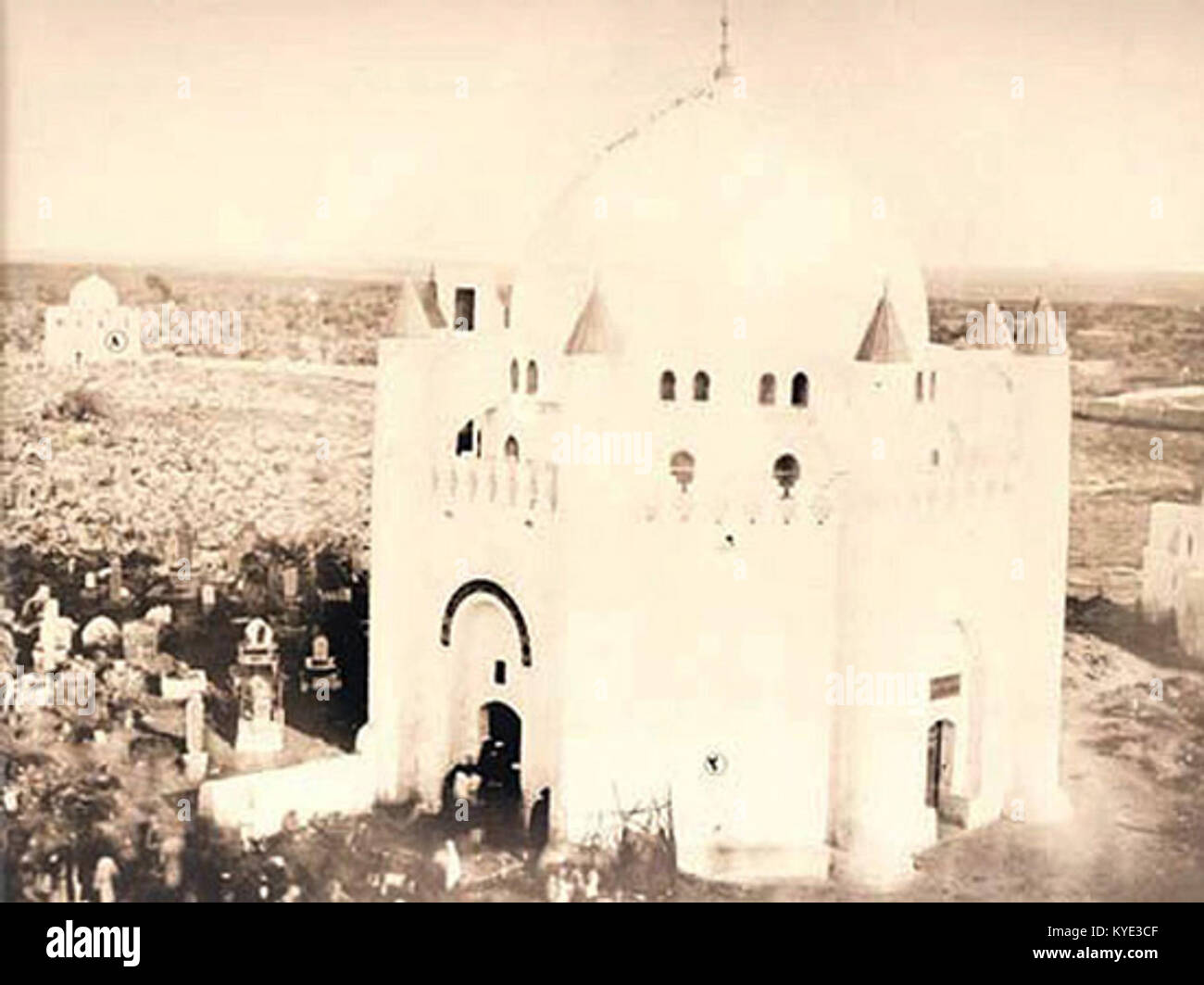
The Sad Aftermath: Fatima's Life and Legacy After the Darkest Night in Madinah
After the events of the darkest night in Madinah, Fatima's health got worse. She spent her last days in prayer and remembering her father. She taught her children about faith and kindness. Her sons, Hasan and Husayn, later became important leaders in Islam.
Fatima's death was another sad day for Madinah. Ali buried her at night, as she had asked, to keep it simple and private. This secrecy added to the questions around the darkest night in Madinah. Why the private burial? Some say it was her wish for peace. Others see it as a sign of deeper pain.
The people of Madinah loved Fatima. She was called "al-Zahra," the shining one. Her life showed strength, patience, and love for God. Even after the darkest night in Madinah, her example inspired many women and families.
The whole incident made some people think about leadership, family rights, and how to handle change. It showed that even in the best times, human emotions can lead to tough choices. But the Muslim community stayed strong overall. Islam spread far and wide.
Today, when pilgrims visit Madinah, they pray for the Prophet's family. They remember Fatima's kindness. The darkest night in Madinah teaches us to value peace and understanding.
Why the Darkest Night in Madinah Still Matters Today
Hundreds of years later, the darkest night in Madinah is still discussed in books, lectures, and online talks. It reminds us how important it is to study history carefully. In our busy world, we can learn lessons about respect, listening to each other, and protecting family.
Madinah today is modern and peaceful. The big green dome of Masjid al-Nabawi shines bright. But the old stories help us appreciate the sacrifices of the early Muslims. The darkest night in Madinah was a tragic moment, but it also shows the strength of faith.
Families who visit Madinah can talk about these events in simple ways. Teach children about love and unity. Avoid arguments. Focus on what brings Muslims together: prayer, charity, and following the Quran and the Prophet's example.
The mystery of the darkest night in Madinah encourages us to seek truth with kindness. Read different books. Ask scholars. But always remember the Prophet's words about peace.
How the Darkest Night in Madinah Connects to Broader Islamic History
The events after the Prophet's death shaped early Islam. Abu Bakr became the first caliph and led wisely. Then came Umar, Uthman, and Ali. Each had challenges. But the love for the Prophet's family stayed strong.
Fatima's children continued her legacy. Hasan made peace to stop the war. Husayn stood for justice later in Karbala. Their stories show bravery and patience, much like what happened around the darkest night in Madinah.
In modern times, Muslims from all backgrounds visit Madinah. They pray together at the Prophet's mosque. This unity is what the early companions wanted too. The darkest night in Madinah was one hard night in a long story of growth.
Personal Stories and Reflections on the Darkest Night in Madinah
Many Muslims share how learning about the darkest night in Madinah changed their view of history. One young student from India said it made him value family more. Another pilgrim from Pakistan felt closer to Fatima after visiting Jannat al-Baqi.
These stories show that the event touches hearts across the world. It is not just old history. It is about human feelings, faith, and moving forward.
Parents can use the darkest night in Madinah to teach kids about empathy. "How would you feel if your family faced hard times?" This helps build better character.
Safety Tips for Pilgrims Visiting Madinah Today
While thinking about the past, we can also enjoy Madinah safely now. Drink lots of water in the heat. Follow the rules at the mosque. Respect all visitors. This way, your trip honors the city that saw the darkest night in Madinah and many bright days too.
The Importance of Forgiveness and Unity
One big lesson from the darkest night in Madinah is the need for forgiveness. The Prophet taught us to forgive. Even in tough times, Muslims are asked to choose peace. Today, scholars from different groups work together for harmony.
The darkest night in Madinah reminds us that no community is perfect. But with faith, we can heal and grow.
Exploring Madinah: Places Tied to the Darkest Night in Madinah
When you visit, see Masjid al-Nabawi first. It is close to where the old house stood. Then go to Jannat al-Baqi to pray for Fatima and the early Muslims. These places make the story of the darkest night in Madinah feel real.
Take time to reflect at night under the stars. Think about how far Islam has come from that one tragic night.
Scientific and Historical Research on the Events
Modern researchers study old manuscripts to understand the darkest night in Madinah better. They compare dates, names, and chains of narration. This helps clear some mystery without hurting feelings.
Books like those by early historians give clues. But gaps remain, which is why it stays a topic of deep interest.
The Role of Women in Early Madinah
Fatima was a strong woman in Madinah. Her story during the darkest night in Madinah highlights how women played key roles in Islam from the start. They advised, prayed, and supported the community.
This inspires women today to be active in faith and family.
Children and the Story of the Darkest Night in Madinah
For kids, explain the darkest night in Madinah gently: "Sometimes big changes bring hard moments, but love and prayer help us through." Use it to teach patience and respect for elders.
Global Muslim Views on the Darkest Night in Madinah
From Indonesia to Nigeria, Muslims learn about this event in different ways. Some focus on unity. Others study the details for faith lessons. All agree on loving the Prophet's family.
How to Study the Darkest Night in Madinah Respectfully
Read trusted books. Listen to calm lectures. Talk with an open mind. This is the best way to unravel the mystery without causing hurt.
The Light After the Darkest Night in Madinah
Even after hard nights, morning comes. Islam grew stronger after 632 CE. Madinah became a beacon of knowledge. The darkest night in Madinah was sad, but it led to lessons that make the faith richer.
Conclusion: Honoring the Memory of the Darkest Night in Madinah
The darkest night in Madinah was a tragic chapter in a beautiful story. It shows the human side of early Muslims. By understanding it, we honor Fatima, Ali, and all who lived then. Let us pray for peace in our hearts and unity in our ummah.
May the lessons from the darkest night in Madinah guide us to be better people. Visit Madinah with love. Study history with care. And always remember the Prophet's message of mercy.
Disclaimer
This article is written for educational and informational purposes only. It presents historical events and different scholarly perspectives based on available sources. It does not aim to favor any particular school of thought or cause religious division. Readers should consult qualified Islamic scholars, primary texts like the Quran and authentic hadiths, and their own research for personal understanding. The views expressed are for learning and reflection. We respect all Muslims and promote peace and unity.
FAQs
1. What is the darkest night in Madinah? The darkest night in Madinah refers to the tragic events that took place at the house of Fatima Zahra shortly after the Prophet Muhammad died in 632 CE. It involves discussions about leadership and a visit to the house that some accounts describe as causing sadness and injury.
2. Why is it called the darkest night in Madinah? It is called the darkest night in Madinah because it was a time of deep grief and uncertainty right after the Prophet passed away. The events at Fatima's house left lasting questions and pain in the community.
3. What are the main differences in views about the darkest night in Madinah? Some historical reports say the visit was peaceful and focused on unity. Other reports mention force at the door and injury to Fatima. Both views come from early Muslim historians and are studied with respect.
4. Where did the darkest night in Madinah happen? It happened at the house of Fatima and Ali, which was near Masjid al-Nabawi in the city of Madinah, Saudi Arabia.
5. Did the darkest night in Madinah affect Fatima's health? According to some accounts, yes. Fatima was already grieving, and some reports link the events to her illness and early death. Other accounts do not connect any harm to the visit.
6. Can families visit places related to the darkest night in Madinah today? Yes! Pilgrims can pray at Masjid al-Nabawi and Jannat al-Baqi cemetery. These sites help remember the historypeacefullyy.
7. How can we learn more about the darkest night in Madinah without causing arguments? Focus on reliable books, attend lectures from respected scholars, and remember the Prophet's teachings on kindness and unity.
References
- Wikipedia: Attack on Fatima's house (summary of historical context).
- Early Islamic histories by scholars like al-Tabari and others (for primary accounts).
- Books on the life of Fatima Zahra from various Muslim publishers.
- Modern analyses from Islamic academic sites discussing succession and early Madinah events.
- YouTube educational videos titled "Darkest Night in Madinah" for visual discussions (view with critical thinking).
- Official Saudi tourism info on Madinah historical sites.
All sources were reviewed for a balanced view. For deeper study, refer to the original Arabic texts and translations.
