

Disclaimer
This article provides a historical overview of the Battle of Siffin for educational purposes only. It is based on established historical sources and aims to explain events in simple terms. Different Islamic traditions may interpret these events in their own ways. The article does not take sides in any religious or political debate. Readers should consult primary sources and scholars for deeper study.
The Battle of Siffin: A Key Moment in Early Islamic History
The Battle of Siffin stands as one of the most significant clashes in the early days of Islam. It took place in 657 CE and marked a turning point during the First Fitna, the first major civil war among Muslims. The Battle of Siffin pitted the forces of Caliph Ali ibn Abi Talib against those led by Muawiya ibn Abi Sufyan. This conflict arose from deep disagreements over leadership and justice following the death of the third caliph, Uthman.
Many people today still study the Battle of Siffin to understand how unity in the young Muslim community began to fracture. The Battle of Siffin was not just a fight over land or power. It was a struggle that involved questions of rightful rule, revenge for a murder, and the proper way to resolve disputes among believers. In the end, the Battle of Siffin did not end with a clear winner on the battlefield. Instead, it led to talks, division, and long-lasting changes in the Muslim world.
The events at the Battle of Siffin continue to shape discussions about leadership and unity in Islam even now. In this article, we will explore the full story in easy-to-understand language. We will look at what happened before, during, and after the Battle of Siffin, who the main people were, and why it still matters today.
What Happened Before the Battle of Siffin?
To understand the Battle of Siffin, we must first look at the years leading up to it. After the Prophet Muhammad passed away in 632 CE, the Muslim community chose four leaders known as the Rashidun Caliphs. These were Abu Bakr, Umar, Uthman, and finally Ali.
Uthman became the third caliph in 644 CE. He was from the Umayyad family. During his rule, some people accused him of favoring his relatives and not following the simple ways of earlier leaders. Critics said he gave important jobs to family members and spent public money too freely. These complaints grew louder over time.
In 656 CE, a group of rebels from Egypt and other areas came to Medina, the capital. They surrounded Uthman’s house and demanded changes. Sadly, Uthman was killed during this unrest. His death shocked the entire Muslim world. Many saw it as a terrible crime that needed justice.
After Uthman’s death, the people of Medina chose Ali ibn Abi Talib as the new caliph. Ali was a close cousin and son-in-law of the Prophet. He was known for his bravery, knowledge, and fairness. Ali accepted the role to bring peace and stop more chaos. He quickly moved to restore order. He replaced some governors and tried to make the government fair again.
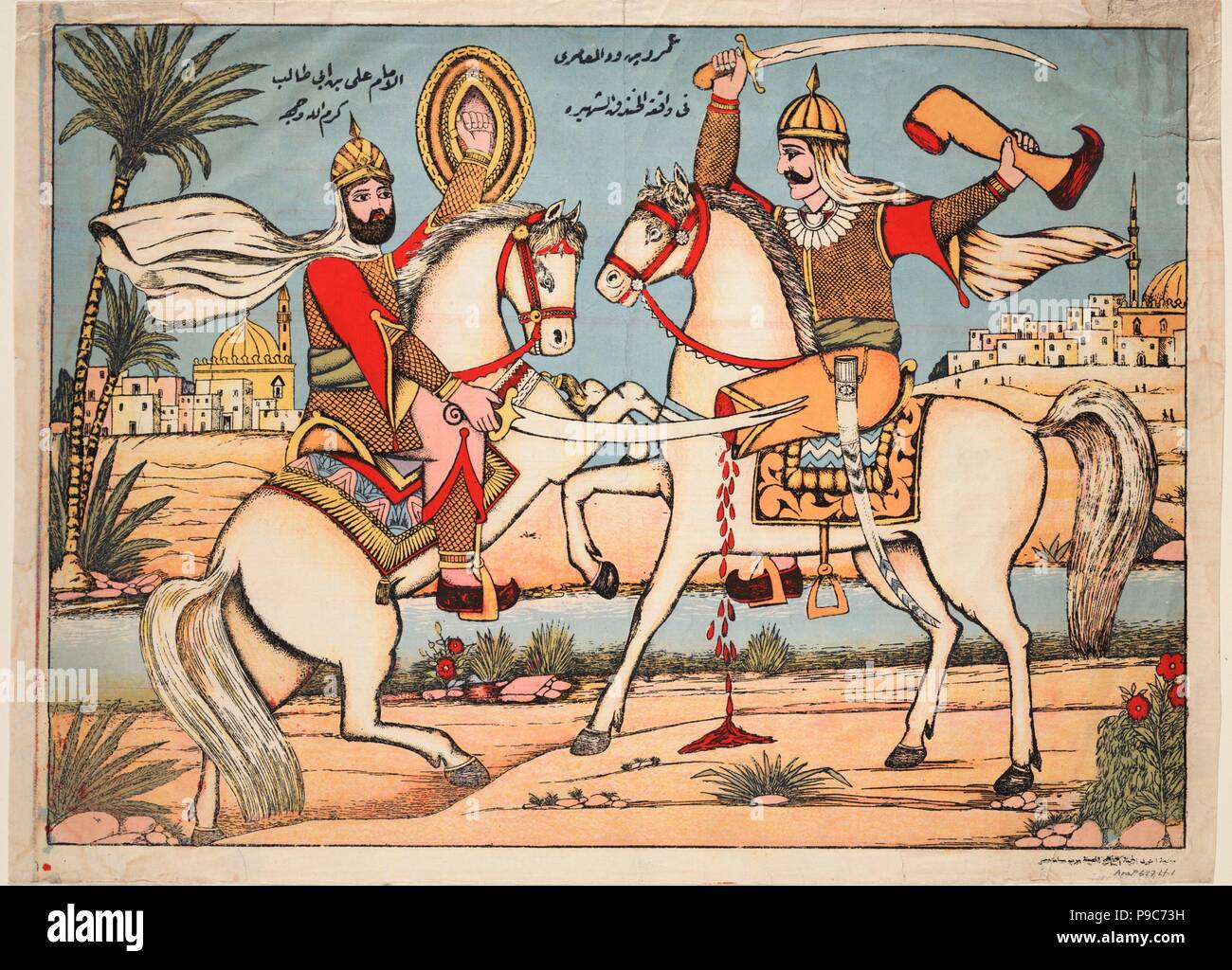
But not everyone agreed with Ali’s leadership. One powerful leader who refused to accept Ali was Muawiya ibn Abi Sufyan. Muawiya had been governor of Syria for many years under Uthman. He was also a relative of Uthman. Muawiya said he would not give his pledge of support until the killers of Uthman were punished. He raised Uthman’s blood-stained shirt as a symbol and sent messages across Syria calling for revenge.
Ali believed he first needed to make his rule strong and fair before dealing with the murderers. He did not want to rush and punish the wrong people. This disagreement between Ali and Muawiya set the stage for the Battle of Siffin. Muawiya saw Ali’s rule as weak on justice. Ali saw Muawiya’s refusal as open rebellion against the chosen leader.
Tensions rose quickly. Ali sent messengers to ask Muawiya to accept his authority. Muawiya refused. Both sides began to gather armies. Ali’s main support came from Iraq, especially the cities of Kufa and Basra. Muawiya’s strength was in Syria. The two armies moved toward each other, and the clash became known as the Battle of Siffin.
The Main Causes of the Battle of Siffin
Several clear reasons led to the Battle of Siffin. First was the question of who had the right to lead the Muslims. Ali had been elected in Medina by a large group of companions and citizens. Muawiya argued that the election was not proper because it happened under pressure from the rebels who killed Uthman.
Second, Muawiya demanded full justice for Uthman’s murder. He said the killers were still in Ali’s camp and should be handed over. Ali replied that he would punish them once order was restored and proper proof was given. He did not want to act without fair trials.
Third, there were political and tribal issues. Many Arabs in Syria were loyal to Muawiya and the Umayyad family. They did not want to lose their power under a new caliph from a different group. On Ali’s side, many pious fighters and Quran readers wanted a leader who followed the Prophet’s example closely.
These causes made the Battle of Siffin almost impossible to avoid. Both leaders tried talks and messengers, but trust was broken. By early 657 CE, the armies met at a place called Siffin on the banks of the Euphrates River in what is now Syria. The location was important because it had water and open land for fighting.
The Battle of Siffin was therefore not a sudden war. It grew from months of arguments, letters, and failed peace efforts. Both sides believed they were fighting for what was right.
The Armies Prepare and Reach Siffin
Ali gathered a large army of about 130,000 to 150,000 men, mostly from Iraq. Many were experienced fighters who had served in earlier wars. Key helpers included Malik al-Ashtar, a brave commander, and Ammar ibn Yasir, an old companion of the Prophet.
Muawiya brought around 100,000 to 150,000 soldiers from Syria. His army was well-organized and included many loyal tribes. Amr ibn al-As, a clever general, advised Muawiya.
When Ali’s forces arrived at Siffin, they found Muawiya’s men had already taken control of the water from the Euphrates. This was a serious problem because soldiers and horses need water. Ali’s troops fought to take the river back. They succeeded but allowed the Syrian side to drink too. This showed that even in war, some rules of fairness were followed at first.
For three months, the two armies camped near each other. They had small fights and long talks. The holy month of Muharram passed without a major battle because fighting was not allowed then. During this time, both sides tried one last time to solve the problem without bloodshed. But no agreement came.
How the Battle of Siffin Unfolded Day by Day
The real fighting in the Battle of Siffin started on July 26, 657 CE. It lasted three main days of heavy combat. Ali himself fought on the front lines, showing great courage. Muawiya stayed back in his tent and directed his men.
On the first day, Muawiya’s forces pushed hard against Ali’s right side. But Ali’s army held firm and pushed back. The second day was even fiercer. Muawiya attacked the left wing, but Ali’s troops drove them away. Ammar ibn Yasir, a respected elderly companion, was killed while fighting for Ali. His death hurt the Syrian side because the Prophet had once said Ammar would be killed by rebels. This made some Syrians question their cause.
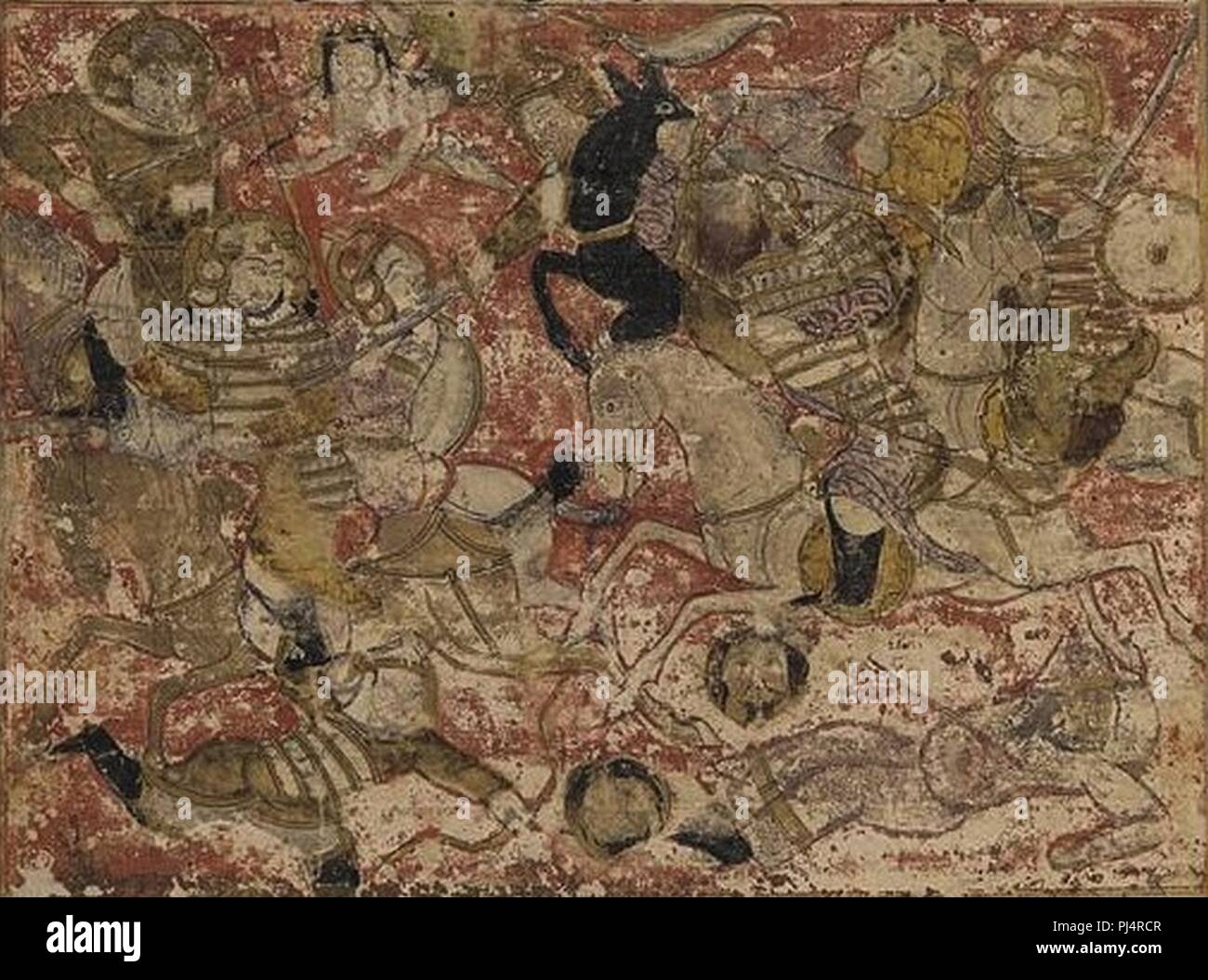
On the third day, the fighting reached its peak. It became known as Laylat al-Harir, the Night of Clamor, because of the loud noise of swords and shouts. Ali’s forces gained the upper hand. Muawiya’s camp was in danger. Arrows even reached near his tent.
By the morning of July 28, Ali seemed close to victory. His general Malik al-Ashtar led a strong charge. The Syrian army was falling back.
The Dramatic Moment That Stopped the Battle of Siffin
Just when Ali’s side was winning, something surprising happened. Syrian soldiers raised pages of the Quran on the tips of their spears. They shouted, “Let the Book of God decide between us!” This call for arbitration shocked many in Ali’s army.
Some fighters, especially the Quran readers and tribal leaders, said they could not fight against the holy book. They demanded that Ali stop the battle and agree to talks. Ali knew this was a trick to save Muawiya’s army. He warned his men that the Syrians were using the Quran as a shield, not out of true faith. But pressure from his own troops grew strong. Many threatened to turn against him if he did not agree.
To avoid splitting his army, Ali reluctantly accepted. On August 2, 657, both sides signed an agreement. Each side would choose one representative. These two men would study the Quran and Sunna (the Prophet’s example) and decide who should be caliph. The decision would be binding. Ali chose Abu Musa al-Ashari. Muawiya chose Amr ibn al-As.
This moment became one of the most famous parts of the Battle of Siffin. It stopped the killing but created new problems.

The Arbitration and Its Problems
The arbitration meetings happened later in 658 CE at places like Dumat al-Jandal and Udhruh. The two representatives met, but they could not reach a clear agreement. Abu Musa wanted to remove both leaders and let the community choose again. Amr pushed for Muawiya. In the end, the talks failed.
Many in Ali’s army felt betrayed. About 12,000 men left his camp. They said, “No judgment but God’s alone!” These people became known as the Kharijites. They believed that only God could decide leadership and that both Ali and Muawiya had gone wrong by agreeing to human judges.
The Battle of Siffin, therefore,e did not end the war. It created the Kharijites, a new group that later fought against Ali. Ali had to fight them at the Battle of Nahrawan in 658 CE. This further weakened his position.
Casualties and the Immediate Aftermath of the Battle of Siffin
The Battle of Siffin was costly. Historical records say about 25,000 men from Ali’s side died. Muawiya’s side lost around 45,000. These numbers show how bloody the fighting was. Families on both sides lost fathers, brothers, and sons.
After the arbitration agreement, the armies went home. But the damage was done. Muawiya grew stronger in Syria. He continued to call himself the rightful leader. In 661 CE, a Kharijite killed Ali while he was praying in Kufa. Ali’s s, on Hasan, briefly became caliph but soon gave up power to Muawiya to stop more fighting. Muawiya then became the first Umayyad caliph and moved the capital to Damascus.
Long-Term Impact of the Battle of Siffin on the Muslim World
The Battle of Siffin changed Islamic history forever. It ended the time of the Rashidun Caliphs and started the Umayyad dynasty. This dynasty ruled for nearly 90 years and expanded the empire from Spain to India.
The Battle of Siffin also created lasting divisions. The split between Sunni and Shia views grew partly from these events. Supporters of Ali saw him as the rightful leader chosen by God. Supporters of Muawiya saw him as a strong ruler who brought stability. The Kharijites formed their own strict groups that still exist in small numbers today.
The arbitration showed how difficult it is to solve big disputes when both sides believe they are right. It taught later leaders the importance of unity and careful decision-making.
Why the Battle of Siffin Still Matters Today
Even after more than 1,300 years, the Battle of Siffin is studied in schools, mosques, and books. People discuss its lessons about justice, leadership, and the danger of division. In modern times, when Muslims face political disagreements, some recall the Battle of Siffin as a warning against letting small issues become big wars.
The Battle of Siffin reminds us that early Muslims were human. They faced hard choices and made mistakes. But they also showed courage, faith, and a desire for peace. Learning about the Battle of Siffin helps us value unity and understand our shared history.

Conclusion
The Battle of Siffin was a tragic yet important chapter. It showed the pain of civil war and the hope for peaceful solutions. Though it did not bring a final winner on the battlefield, its effects shaped the Muslim world for centuries. By studying the Battle of Siffin with open hearts and clear facts, we can learn to build abetterr understanding today. The story of the Battle of Siffin continues to teach us about faith, power, and the search for justice.
Frequently Asked Questions (FAQs)
1. What was the Battle of Siffin? The Battle of Siffin was a major fight in 657 CE between the army of Caliph Ali and the forces of Muawiya. It happened near the Euphrates River in Syria.
2. Why did the Battle of Siffin start? It started because Muawiya refused to accept Ali as caliph until justice was done for Uthman’s murder. Ali wanted to order first. This led to open conflict.
3. Who won the Battle of Siffin? No one won a clear victory. Fighting stopped when the Quran was raised on spears, and both sides agreed to talks.
4. What happened after the Battle of Siffin? The two sides held arbitration talks that failed. This created the Kharijites, who later fought Ali. Muawiya eventually became caliph.
5. How many people died in the Battle of Siffin? About 25,000 from Ali’s side and 45,000 from Muawiya’s side lost their lives.
6. Where exactly was the Battle of Siffin fought? It took place at Siffin, a village on the right bank of the Euphrates River near modern-day Raqqa in Syria.
7. What does the raising of the Quran mean in the Battle of Siffin? Syrian soldiers lifted Quran pages on spears to call for God’s judgment instead of fighting. It stopped the battle but caused new divisions.
8. Did the Battle of Siffin create the Sunni and Shia groups? The Battle of Siffin and the events around it deepened differences that later grew into the main Sunni and Shia branches of Islam.
9. Is the Battle of Siffin mentioned in the Quran? No, the Quran does not mention the Battle of Siffin because it happened after the Quran was revealed. But both sides used Quranic verses during the events.
10. Why should we learn about the Battle of Siffin today? It teaches us the high cost of division and the value of unity, justice, and peaceful problem-solving.
References
- Wikipedia contributors. “Battle of Siffin.” Wikipedia, The Free Encyclopedia. https://en.wikipedia.org/wiki/Battle_of_Siffin
- Encyclopædia Britannica. “Battle of Ṣiffīn.” https://www.britannica.com/event/Battle-of-Siffin
- The Last Dialogue. “Battle of Siffin – The Aftermath and Impact on Muslim History.” https://www.thelastdialogue.org/article/battle-of-siffin-2-the-aftermath-and-impact-on-muslim-history/
- World History Encyclopedia. Various entries on the Rashidun Caliphate and the First Fitna.
- Al-Islam.org. “The Battle of Siffin.” https://al-islam.org/restatement-history-islam-and-muslims-sayyid-ali-asghar-razwy/battle-siffin
These sources were used to ensure the facts are accurate and balanced. For more reading, please visit the links directly.
