

Dracula vs Ottomans: The Epic Clash That Shaped History
In the rugged lands of 15th-century Eastern Europe, a fierce battle unfolded between two powerful forces. One side was led by a ruthless prince known as Vlad the Impaler, often called Dracula. The other was the mighty Ottoman Empire, ruled by Sultan Mehmed II, the conqueror of Constantinople. This story of Dracula vs Ottomans is filled with bravery, strategy, terror, and survival. It shows how a small principality stood against one of the world's strongest armies.
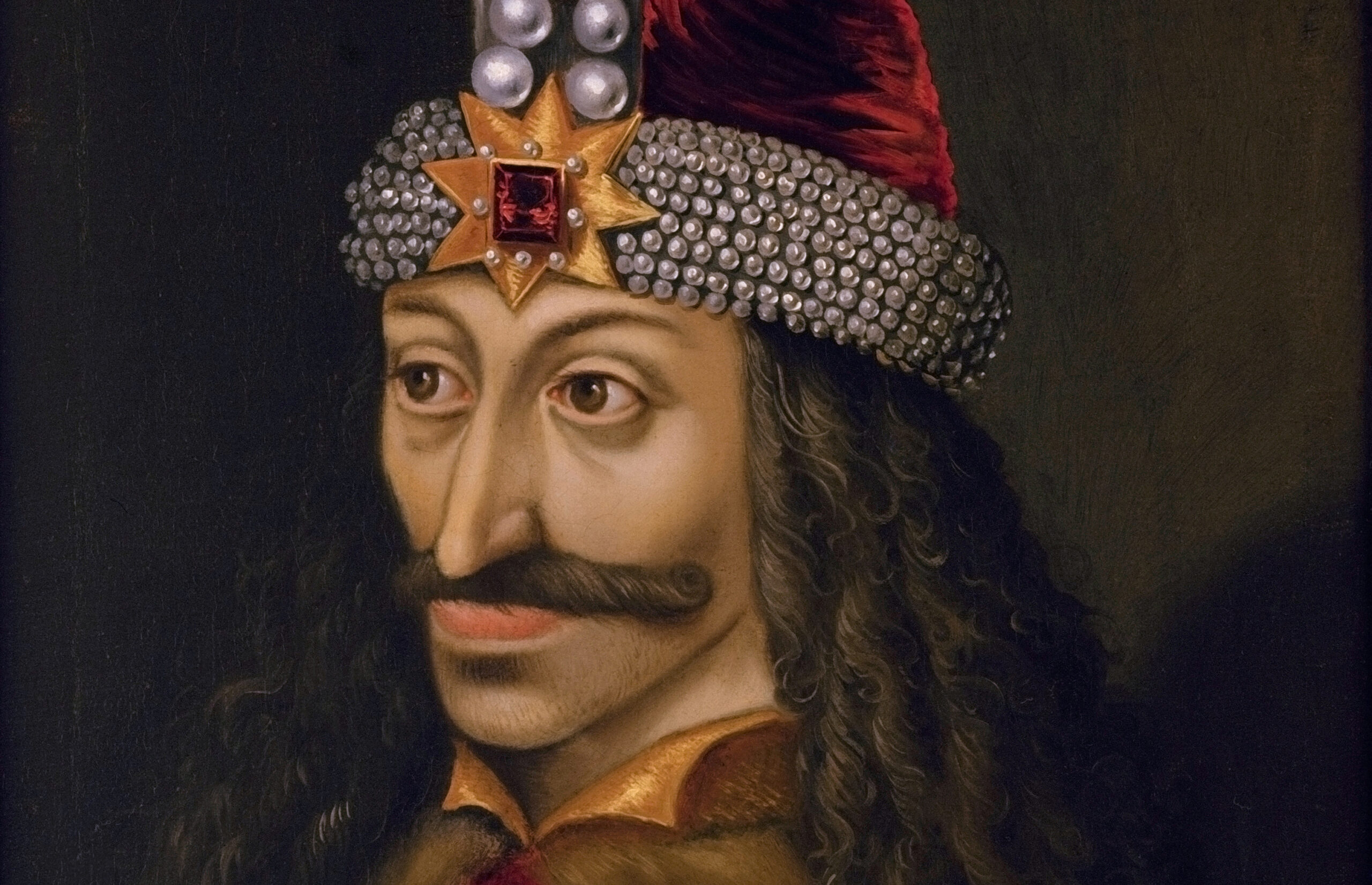
Dracula vs Ottomans remains one of the most dramatic conflicts in medieval history. Vlad III Dracula ruled Wallachia, a region in present-day Romania. He refused to bow to Ottoman demands and fought back with clever tactics and shocking cruelty. His actions made him a hero to some and a monster to others. Today, people still talk about this legendary showdown because it mixes real history with the vampire myths that came later.
Who Was Dracula? The Man Behind the Legend
Vlad III, born around 1431, belonged to the House of Drăculești. His father, Vlad II, joined the Order of the Dragon, a Christian group fighting the Ottomans. This gave the family the name "Dracul," meaning dragon or devil. Young Vlad became known as Dracula, or "son of the dragon."
As boys, Vlad and his brother Radu lived as hostages in the Ottoman court. Sultan Murad II kept them to ensure their father's loyalty. There, Vlad learned Ottoman ways, military skills, and languages. But he also saw the empire's power up close and grew to resent it.
After his father and older brother were killed by rival nobles, Vlad fought to claim the throne of Wallachia. He ruled briefly in 1448, then again from 1456 to 1462, and a short third time in 1476. During his main reign, he worked hard to strengthen Wallachia. He punished corrupt boyars (nobles), built defenses, and protected trade routes.
Vlad earned his nickname "the Impaler" (Țepeș in Romanian) from his favorite punishment: impaling enemies on sharp wooden stakes. This slow, painful death served as a warning. He used it against criminals, traitors, and invaders alike. While brutal by modern standards, it helped him control a land full of internal fights and external threats.
Many stories describe Vlad dining among forests of impaled bodies. German pamphlets from the time spread these tales across Europe, painting him as a bloodthirsty tyrant. Yet in Romania, he is often remembered as a national hero who defended his people.
Vlad's early life as an Ottoman hostage shaped him. He knew their tactics, strengths, and weaknesses. This knowledge proved vital when Dracula vs Ottomans turned into oan pen war.

The Ottoman Empire: A Giant Power in the 15th Century
The Ottoman Empire was at its peak under Mehmed II. He became sultan in 1451 and quickly made history by capturing Constantinople in 1453. This victory ended the Byzantine Empire and gave the Ottomans control over key trade routes between Europe and Asia.
Mehmed II, called "the Conqueror," built a massive army with elite Janissaries (highly trained soldiers), sipahi cavalry, and powerful artillery. The empire expanded into the Balkans, turning many Christian lands into vassal states that paid tribute.
Wallachia sat on the border between Christian Europe and the expanding Ottoman world. It served as a buffer zone. Ottoman sultans demanded tribute—money, goods, and sometimes young boys for the Janissary corps—from Wallachian princes. In return, they offered protection or at least non-invasion.
By the late 1450s, Vlad stopped paying this tribute. He saw it as a sign of weakness that hurt his people's freedom. This defiance set the stage for the dramatic Dracula vs Ottomans conflict.
The Ottomans had superior numbers and resources. Their army could number over 100,000 men, with advanced weapons and supply lines. Yet Vlad used the terrain of Wallachia—forests, mountains, and rivers—to his advantage. He turned defense into offense through raids and psychological warfare.

Background to the War: Why Dracula Challenged the Ottomans
Tensions grew after Vlad took full control in 1456. He allied with Hungary's King Matthias Corvinus at times while balancing Ottoman relations. But he hated being a vassal.
In 1461-1462, Vlad refused to pay the annual tribute. He also attacked Ottoman-held territories south of the Danube River. In one major raid into Bulgaria, his forces killed thousands of Turks and Muslim Bulgarians. Vlad himself claimed in a letter to the Hungarian king that he killed 23,884 enemies, not counting those burned in their homes.
These actions were provocative. Mehmed II, fresh from conquering Constantinople, could not ignore such defiance. He demanded that Vlad come to Constantinople to pay homage personally. Instead, Vlad captured the sultan's envoys and impaled them—some stories say he nailed their turbans to their heads for refusing to remove them in his presence.
This broke any remaining peace. Mehmed prepared a huge campaign to replace Vlad with his younger brother Radu, who had stayed loyal to the Ottomans and even converted to Islam.
The war was not just about tribute. It was a fight for independence, power, and survival in a dangerous region. Dracula vs Ottomans became a symbol of resistance against a giant empire.
The 1462 Campaign: Dracula's Bold Resistance
In spring 1462, Mehmed II marched north with a massive army. Estimates vary from 60,000 to over 150,000 soldiers, including Janissaries, cavalry, artillery, and support troops. They crossed the Danube into Wallachia, aiming for Vlad's capital at Târgoviște.
Vlad could gather only around 30,000 men at most. An open battle was impossible, so he chose smarter tactics. He used a scorched earth policy—burning villages, poisoning wells, and destroying food supplies. This left the advancing Ottomans hungry, thirsty, and sick in a hostile land.
His forces launched hit-and-run raids, attacking at night and disappearing into the forests. These guerrilla methods wore down the larger army and lowered morale.
One famous early success was Vlad's raid across the Danube in February 1462. His men massacred Ottoman garrisons and civilians in Bulgarian towns, creating terror on the enemy side.
As Mehmed's army moved closer to Târgoviște, they faced more horrors. Vlad's men left behind devastated landscapes and small ambushes. Disease and lack of supplies began to hurt the Ottomans badly.
The Night Attack at Târgoviște: Dracula's Daring Strike
The most legendary moment in Dracula vs Ottomans came on the night of June 16-17, 1462, near Târgoviște.
Vlad disguised some of his soldiers as Ottomans and scouted the enemy camp. He learned the layout and targeted the sultan's tent. With a force of several thousand cavalry, he launched a surprise night attack.
Carrying torches, Vlad's men charged into the sleeping Ottoman camp. Chaos erupted. Soldiers fought in the dark, often attacking their own comrades by mistake. Vlad aimed to kill or capture Mehmed II himself and end the war in one bold stroke.
The fighting lasted several hours. Wallachian forces killed thousands of Ottomans—estimates range from 10,000 to 15,000 or more. Vlad's side also suffered heavy losses, perhaps 5,000 men. But the assassination failed. Mehmed survived, protected by his loyal Janissaries. Some accounts say the sultan fled or was moved to safety during the confusion.
By dawn, Vlad withdrew his remaining forces. The attack did not destroy the Ottoman army, but it shocked them deeply. Mehmed saw the limits of his power against such determined resistance.
This Night Attack is celebrated in Romanian history as a brilliant example of courage and strategy. It showed that even a smaller force could strike fear into a giant empire.

The Forest of the Impaled: Psychological Warfare
As the Ottomans advanced toward Târgoviște, they encountered one of the most horrifying sights in military history.
About 60 miles from the capital, the vanguard of Mehmed's army found a "forest" of stakes. Around 20,000 bodies—mostly Turks and Bulgarians captured in earlier raids—were impaled on wooden poles arranged in a large semi-circle. Some victims were still alive, groaning in agony. Birds picked at the rotting corpses, and the smell filled the air.
This gruesome display broke the Ottoman soldiers' spirit. Mehmed II, a hardened conqueror, was reportedly horrified. He turned his main army back without fully capturing Târgoviște or defeating Vlad in open battle. The psychological impact was immense.
Vlad used terror as a weapon. Impalement was not random cruelty; it was calculated to demoralize enemies and deter future invasions. It worked in the short term, forcing the Ottomans to retreat.
Later, many Wallachians deserted Vlad and joined his brother Radu, who advanced with Ottoman support and promised stability. Vlad fled to Hungary, where he was imprisoned for several years.

Aftermath and Vlad's Later Years
The 1462 campaign ended with Mehmed installing Radu as prince of Wallachia. Radu ruled peacefully for over a decade, maintaining better relations with the Ottomans.
Vlad escaped prison around 1475 and briefly regained the throne in 1476 with Hungarian and Moldavian help. He fought more battles against the Ottomans but was killed in late 1476 near Bucharest. His head was reportedly sent to Mehmed II as proof of death.
Dracula vs Ottomans did not end the Ottoman expansion, but it delayed it in the region and inspired resistance stories across Christian Europe. Vlad became a symbol of defiance.
Legacy of Dracula vs Ottomans
The clash between Vlad III and the Ottomans left a lasting mark. In Romania, Vlad is a national hero for protecting Wallachian independence and Christian lands. Statues and museums honor his memory.
In the West, German and other pamphlets exaggerated his cruelties, helping create the vampire legend. Bram Stoker's 1897 novel Dracula drew loose inspiration from Vlad, mixing history with horror and setting the story in Transylvania.
Bran Castle in Romania, often called "Dracula's Castle," attracts tourists even though Vlad had no direct connection to it. It stands as a symbol of the mysterious, dark history tied to his name.

The story of Dracula vs Ottomans teaches lessons about leadership, strategy, and the costs of war. Vlad showed that intelligence and will can challenge superior numbers. But his methods also highlight how fear and violence can divide people.
Historians debate his character. Was he a brutal tyrant or a necessary defender in a brutal time? The truth likely lies somewhere in between. His reign was short but intense, filled with reforms at home and fierce fights abroad.
Tactics and Strategies in Dracula vs Ottomans
Vlad's success came from understanding his weaknesses and turning them into strengths. He avoided large battles where Ottoman numbers would win. Instead:
- Guerrilla warfare: Small, fast attacks on supply lines and camps.
- Scorched earth: Denying the enemy food and water.
- Psychological terror: Impalement and night raids to create fear.
- Intelligence: Using disguises and local knowledge of terrain.
Mehmed II relied on overwhelming force, artillery, and disciplined troops. He was a master of sieges and conquest, but struggled with the hit-and-run style in unknown lands.
This mismatch made Dracula vs Ottomans a classic underdog story with modern echoes in asymmetric warfare.
Cultural Impact and Modern Views
Today, the tale appears in books, movies, and TV shows. Netflix's Rise of Empires: Ottoman dramatized the conflict, showing Mehmed and Vlad's rivalry.
Tourists visit Romania to see sites linked to Vlad, including Poenari Castle (a real fortress he strengthened) and Bran Castle. The region celebrates its medieval heritage while separating fact from vampire fiction.

Scholars study the war for insights into 15th-century politics, military tactics, and propaganda. Ottoman sources describe Vlad as a traitor and monster. Christian European accounts sometimes praised his resistance.
The conflict reminds us how border regions like Wallachia suffered in great power struggles. It also shows how personal grudges—Vlad's hostage years and family murders—can fuel larger wars.
Why the Story of Dracula vs Ottomans Still Matters
In a world of superpowers and small nations, the Dracula vs Ottomans saga feels relevant. It shows how determination and clever tactics can resist domination. It warns about the human cost of endless conflict and the power of fear as a weapon.
Vlad's life was marked by loss, betrayal, and relentless fighting. He died young, around age 45, but his legend lives on. The Ottoman Empire continued expanding for centuries, yet Vlad's stand became part of European folklore.
Whether viewed as hero or villain, Vlad III Dracula played a key role in shaping the history of Eastern Europe. His battles with the Ottomans highlight themes of freedom, identity, and survival that continue to resonate.
Visitors to Romania often feel the weight of this history in the Carpathian Mountains and ancient fortresses. The land itself seems to whisper stories of the Impaler and his war against a mighty empire.
Dracula vs Ottomans is more than a medieval clash. It is a tale of one man's fierce will against overwhelming odds. It blends strategy, horror, bravery, and tragedy into a story that has fascinated people for over 500 years.
From the hostage years in the Ottoman court to the bloody fields near Târgoviște, Vlad's journey shows the complexity of power. He learned from his enemies and used that knowledge against them. His methods were extreme, but in his time, mercy was rare on any side.
Modern historians use letters, chronicles, and archaeological clues to piece together the events. While exact numbers of dead vary, the impact is clear: a small principality forced one of history's greatest conquerors to pause and retreat in horror.
The vampire connection adds mystery. Bram Stoker never visited Romania, but he borrowed the name and created a timeless icon. This mix of history and fiction keeps the story alive in popular culture.
In schools and museums across Romania, children learn about Vlad as a defender who brought order to a chaotic land. He punished thieves harshly so merchants could travel safely. He strengthened borders and promoted loyalty.
Yet the impalements and mass killings cannot be ignored. They reveal a man shaped by violence and betrayal from a young age.
Dracula vs Ottomans ultimately ended with Vlad's defeat and death, but his spirit of resistance influenced later generations. Wallachia and neighboring lands eventually formed the basis of modern Romania, proud of its medieval roots.
Travelers exploring the region can walk paths where Vlad's armies once rode. They can visit castles and imagine the torches burning in the night attack. The landscape—dense forests, winding rivers, and towering mountains—provided the perfect stage for such dramatic events.
This conflict also highlights the role of religion and culture. Vlad fought as a Christian prince against Muslim Ottoman expansion. Both sides saw the war in holy terms, though politics and power mattered more.
In the end, Dracula vs Ottomans is a human story. It features ambition, revenge, courage, and the search for independence. It reminds us that history is made by real people facing impossible choices.
Whether you come for the history, the legends, or the scenic beauty of Romania, the tale of Vlad the Impaler and his war against the Ottomans offers endless fascination. It continues to inspire books, films, and debates about leadership and morality.
The forests around Târgoviște may no longer hold stakes, but they still echo with the memory of that fateful night in 1462. The bold prince who dared to challenge an empire left a mark that time cannot erase.
Dracula vs Ottomans stands as a powerful chapter in the story of Europe. It shows how one determined leader can change the course of events, even against the odds. And it leaves us wondering: in the face of overwhelming power, what would we do to protect our home and freedom?
Disclaimer
This article is for educational and informational purposes only. It presents historical facts based on available chronicles, letters, and scholarly research. Descriptions of violence and impalement reflect the brutal realities of medieval warfare and are not intended to glorify or endorse cruelty. History involves complex interpretations, and different sources may vary in details. The vampire legend associated with "Dracula" is fictional and separate from the real Vlad III. Readers should consult academic sources for deeper study. No part of this content promotes hate, violence, or discrimination.
FAQs
1. Who won the war between Dracula and the Ottomans? The 1462 campaign had no clear winner. Vlad's night attack and psychological tactics forced Mehmed II to withdraw from Târgoviște without a decisive victory. However, Vlad lost his throne soon after, and his brother Radu took power with Ottoman backing. Vlad briefly returned in 1476 but was killed.
2. Did Vlad the Impaler really impale 20,000 people? Contemporary accounts mention a large "forest of the impaled" with around 20,000 bodies outside Târgoviște. Vlad's own letter claimed he killed over 23,000 in raids. Exact numbers are hard to verify due to the era's limited records, but the psychological effect was real and documented by multiple sources.
3. Was Vlad III the real Count Dracula? No. Bram Stoker's novel Dracula used the name and some loose historical inspiration, but the fictional vampire is very different from the real 15th-century prince. Stoker set the story in Transylvania, though Vlad mainly ruled Wallachia.
4. Why is Bran Castle called Dracula's Castle? Bran Castle matches some descriptions in Stoker's book and is marketed to tourists as linked to the legend. Vlad III had little or no direct connection to it, but it has become a popular symbol of the Dracula myth.
5. What tactics did Vlad use against the larger Ottoman army? He relied on guerrilla raids, night attacks, scorched earth policies, poisoning wells, and terror tactics like impalement to demoralize the enemy. These methods compensated for his smaller forces and knowledge of the local terrain.
6. How did Vlad die? In late 1476, during his third brief reign, Vlad was killed in battle near Bucharest, possibly ambushed by Ottoman forces or rivals. Legends say his head was sent to Mehmed II.
7. Is the story of Dracula vs Ottomans still relevant today? Yes. It offers lessons in asymmetric warfare, leadership under pressure, and the use of psychology in conflict. It also highlights how history and legend blend in popular culture.
References
- Wikipedia entries on Vlad the Impaler and the Night Attack at Târgoviște (based on historical chronicles).
- Accounts from Greek historian Laonikos Chalkokondyles and other 15th-century sources.
- Letters from Vlad III to King Matthias Corvinus (1462).
- Modern historical analyses from sites like HistoryExtra, Britannica, and Medievalists.net.
- Paintings and depictions, including Theodor Aman's "The Battle with Torches."
- Scholarly works on Ottoman-Wallachian relations and Mehmed II's campaigns.
