

Musa Kalimullah
Musa Kalimullah holds a unique and honored place in Islamic history as one of the greatest prophets sent by Allah. Known as Musa Kalimullah, he earned this special title because Allah spoke directly to him without any angel as an intermediary. This direct conversation took place at the burning bush on Mount Tur, making Musa Kalimullah the only prophet with such a close connection in this manner. His story teaches us about faith, courage, patience, and standing up against tyranny. The life of Musa Kalimullah is mentioned more than any other prophet in the Quran, showing how important his message remains for all Muslims today.

The Early Life of Musa Kalimullah: A Miraculous Birth
The story of Musa Kalimullah begins in ancient Egypt during a time of great oppression. The ruler, known as Pharaoh, was a cruel tyrant who saw himself as a god. He feared a prophecy that a boy from the Children of Israel (Bani Israel) would one day challenge his power and free his people. To stop this, Pharaoh ordered the killing of every newborn baby boy from the Israelite families. This was a dark period of fear and sadness for the Israelites, who were treated as slaves.
Musa Kalimullah was born into this dangerous time. His mother hid him for three months, but she could not keep him safe forever. Allah inspired her to place the baby in a waterproof basket and set it afloat on the Nile River. With a heavy heart, she followed the basket from a distance. The currents carried the tiny basket straight to the palace of Pharaoh himself. Pharaoh's wife, Asiyah, who was a kind and believing woman, found the baby and fell in love with him instantly. She begged Pharaoh to let her adopt the child, and he agreed, not knowing that this boy would one day be his greatest enemy.
Baby Musa Kalimullah refused to drink milk from any Egyptian wet nurse. Allah arranged for his own mother to be brought to the palace as his nurse. In this way, Musa Kalimullah grew up in the luxury of the royal palace while staying connected to his real family and roots. He received the best education and training, becoming strong, wise, and knowledgeable. Yet, deep in his heart, he knew the suffering of his people and never forgot his true identity.

As a young man, Musa Kalimullah witnessed an Egyptian beating an Israelite slave. In a moment of anger and justice, he struck the Egyptian and accidentally killed him. Realizing what he had done, Musa Kalimullah repented sincerely to Allah, who forgave him. News of the incident spread, and Pharaoh's men planned to punish him. A kind man warned Musa Kalimullah, so he fled Egypt into the desert, praying for protection from the wrongdoers.
The Journey to Midian and New Beginnings
Musa Kalimullah traveled for many days through the hot desert, tired and hungry. He finally reached the land of Midian, near a well where shepherds watered their flocks. There, he saw two young women waiting patiently because the men were pushing their sheep aside. With kindness and strength, Musa Kalimullah helped them by watering their flock, even though he was exhausted.
The women told their father, Prophet Shu'ayb (peace be upon him), about the helpful stranger. Shu'ayb invited Musa Kalimullah to his home and offered him work and shelter. In return for eight or ten years of service, Shu'ayb offered one of his daughters in marriage. Musa Kalimullah accepted and married, finding peace, family, and a new life away from the dangers of Egypt. He worked as a shepherd, learning patience and responsibility during these calm years.
This part of the life of Musa Kalimullah shows how Allah turns difficulties into blessings. From running for his life, he found safety, love, and purpose in Midian.
The Call of Prophethood: The Burning Bush and Kalimullah Title
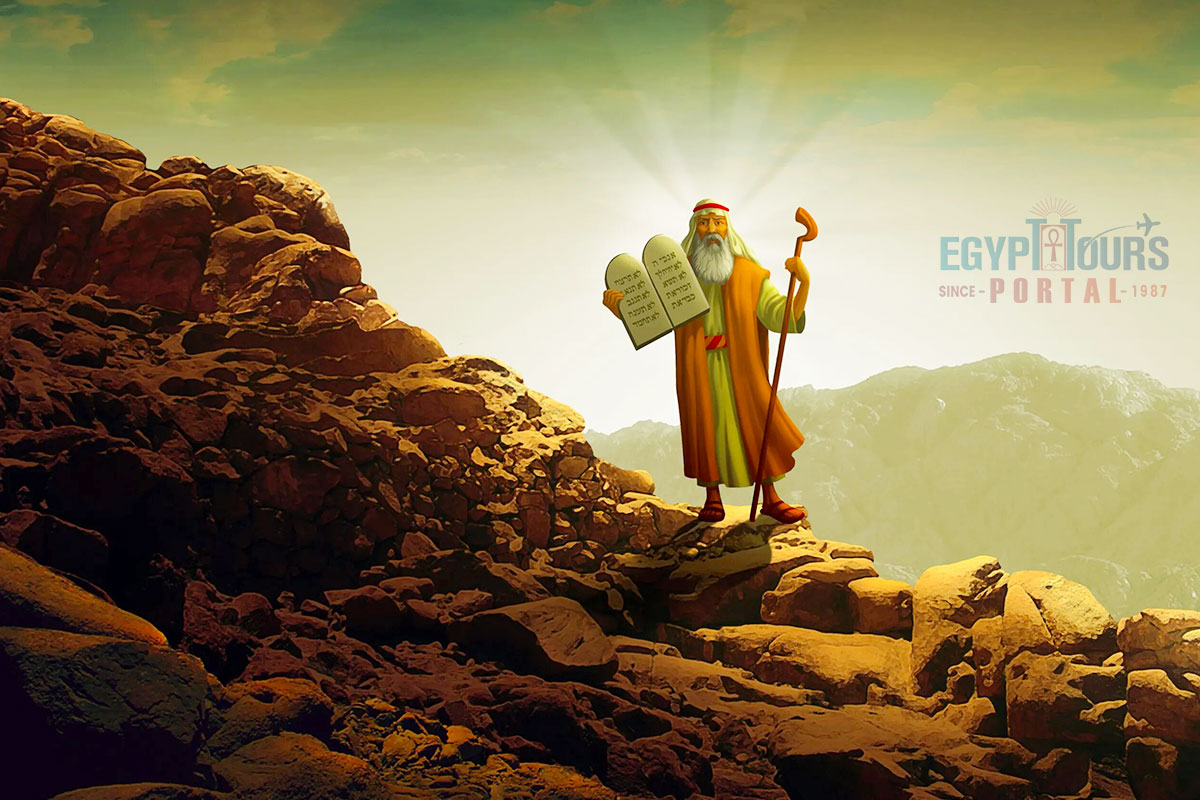
After completing his service in Midian, Musa Kalimullah set out with his family toward Egypt. On a cold, dark night near Mount Tur (Mount Sinai), he spotted a fire in the distance. He told his family to wait while he went to get some fire or find guidance. As he approached, a voice called out from a green tree that was burning without being consumed: "O Musa, indeed I am Allah, Lord of the worlds!"
This was the sacred moment when Allah spoke directly to Musa Kalimullah. The voice commanded him to remove his shoes because he was in the holy valley of Tuwa. Allah reassured him and gave him two clear signs to prove his prophethood. First, Musa Kalimullah was told to throw down his staff. It turned into a live serpent that moved swiftly. When he picked it up again, it returned to a staff. Second, he was instructed to put his hand into his cloak. When he pulled it out, it shone bright white without any harm or disease.
Allah then assigned Musa Kalimullah his great mission: to go back to Egypt, confront Pharaoh, and invite him and his people to worship only one God. Musa Kalimullah worried about his speech because he had a stutter, so he asked Allah to let his brother Harun (Aaron) help him as a companion. Allah accepted and promised both brothers success and protection.
This direct speech from Allah is why Musa is called Musa Kalimullah – the one who spoke with Allah. No other prophet received revelation in this personal way. The Quran confirms: "And to Moses Allah spoke directly" (Surah An-Nisa 4:164). This honor highlights the special status of Musa Kalimullah among all messengers.
Confronting Pharaoh: Miracles and Plagues
Musa Kalimullah and Harun returned to Egypt with full trust in Allah. They stood before the mighty Pharaoh and delivered the clear message: "Release the Children of Israel and stop oppressing them. Worship Allah alone." Pharaoh mocked them, reminding Musa Kalimullah of his childhood in the palace and accusing him of ingratitude. He called the signs magic and gathered his best magicians for a contest.
On the appointed day, the magicians threw their ropes and sticks, which seemed to turn into snakes through illusion. But when Musa Kalimullah threw his staff, it became a real serpent that swallowed all the fake ones. The magicians were amazed and fell in prostration, declaring their belief in the Lord of Musa and Harun. Pharaoh was furious and threatened them, but their faith remained strong.
When Pharaoh refused to free the Israelites, Allah sent a series of plagues as signs: floods, locusts, lice, frogs, and blood in the water. Each time, Pharaoh promised to let the people go if the plague stopped, but he broke his word once the trouble passed. These events showed the power of Allah and the weakness of human arrogance.
Musa Kalimullah continued to advise patience to his people and warned Pharaoh of more punishment if he did not change. A believer from Pharaoh's own family secretly supported Musa Kalimullah and reminded everyone of the fate of past tyrants. Yet Pharaoh remained proud and built a tall tower in his arrogance, claiming he could reach the heavens to challenge God.

The Exodus and the Parting of the Sea
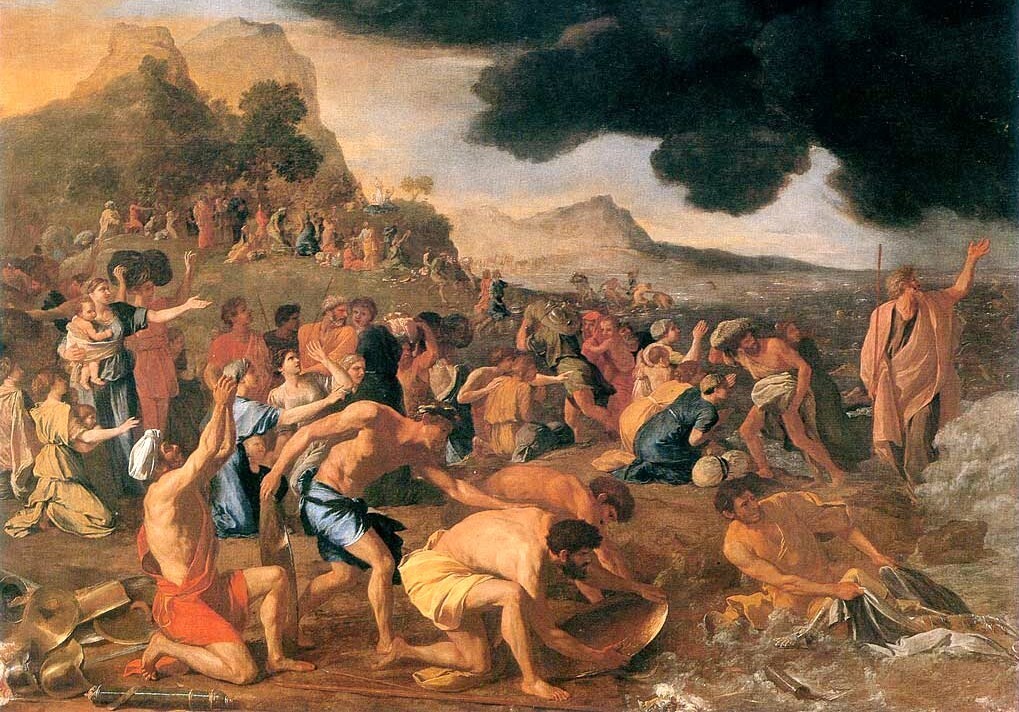
Finally, Allah commanded the Israelites to leave Egypt at night. Musa Kalimullah led them quietly toward freedom. Pharaoh realized they had gone and chased after them with his huge army. The Israelites reached the edge of the sea with no way forward and enemies closing in behind. They cried out in fear, but Musa Kalimullah calmly said, "No! Indeed, with me is my Lord; He will guide me."
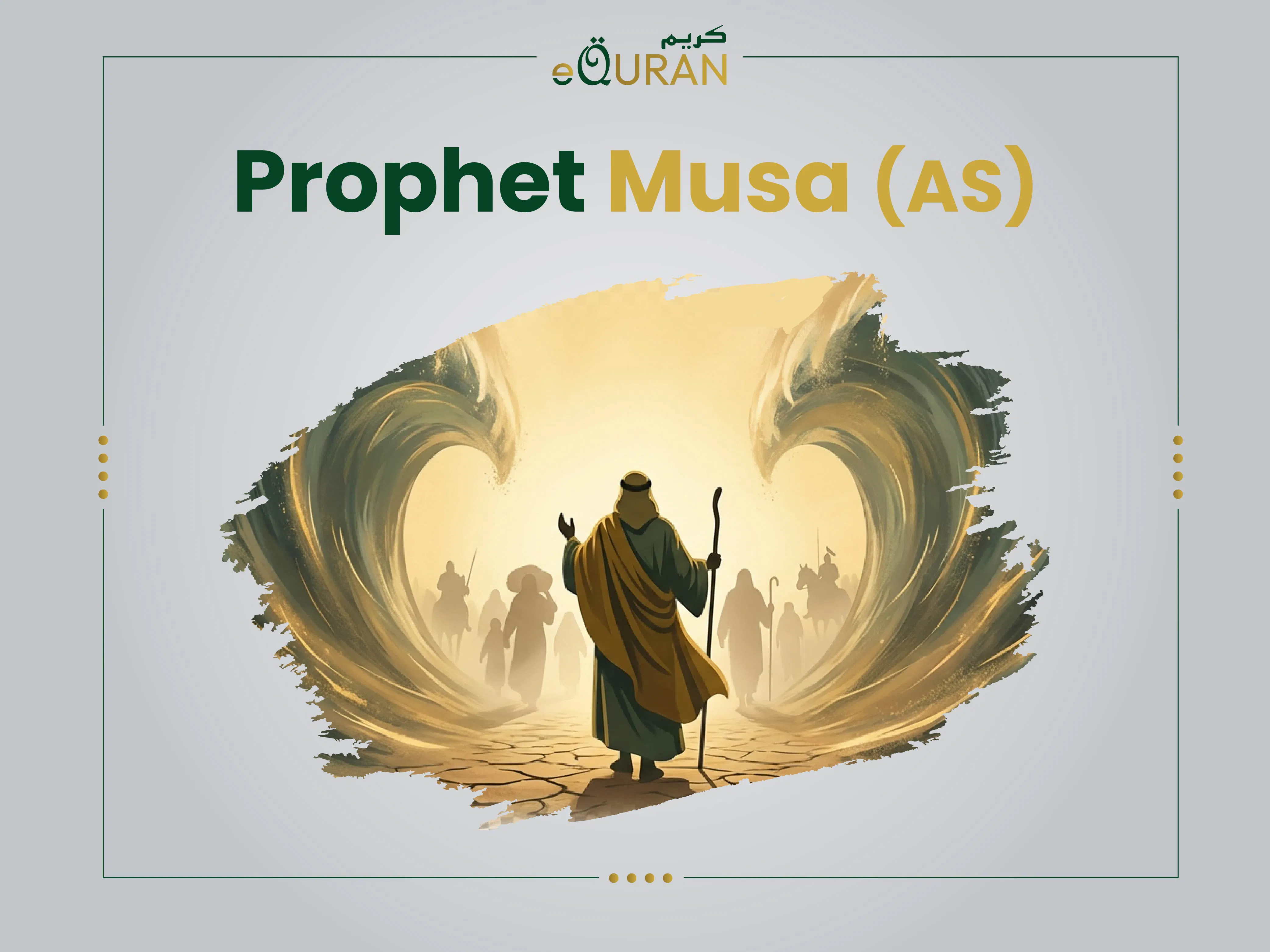
Allah instructed Musa Kalimullah to strike the sea with his staff. Miraculously, the waters parted into two huge walls, creating a dry path through the middle. The Israelites crossed safely to the other side. When Pharaoh and his army followed, the waters rushed back together, drowning them all. In his last moments, Pharaoh cried that he believed in the God of the Israelites, but it was too late. Allah preserved his body as a sign and warning for future generations.
This great miracle of the parting of the Red Sea is one of the most famous events in the story of Musa Kalimullah. It proves that Allah helps those who put their trust in Him, even when the situation seems impossible.
In the Wilderness: Trials, the Golden Calf, and Receiving the Torah
After crossing the sea, the Israelites entered the desert. Allah provided for them with manna and quails for food, clouds for shade, and water from a rock that Musa Kalimullah struck with his staff, causing twelve springs to flow for the twelve tribes.
Musa Kalimullah went up Mount Sinai for forty days to receive the Torah, the holy book containing laws and guidance for his people. While he was away, a man named Samiri made a golden calf from the people's jewelry. Many Israelites began to worship it, forgetting the lessons of monotheism. When Musa Kalimullah returned and saw this, he became very angry. He destroyed the calf and reminded his brother Harun of his efforts to stop the people.
The Israelites showed ingratitude many times. They complained about the food and refused to enter the promised land when they heard about strong people living there. Because of their lack of faith, Allah made them wander in the desert for forty years. During this time, Musa Kalimullah showed great patience as a leader, even when his people made false accusations against him. Allah cleared his name and honored him.
Musa Kalimullah also met Al-Khidr in one famous journey, learning important lessons about patience and trusting Allah's wisdom even when things do not make sense at first. This story in Surah Al-Kahf teaches that true knowledge comes from Allah, and we must remain humble.

Lessons from the Life of Musa Kalimullah
The life of Musa Kalimullah is full of powerful lessons that apply to our daily lives:
- Trust in Allah (Tawakkul): Even when trapped between the sea and an army, Musa Kalimullah trusted Allah completely. This faith led to the miracle of the parted sea.
- Courage Against Oppression: Musa Kalimullah stood up to the most powerful tyrant of his time. We learn to speak truth to power and fight injustice.
- Patience in Trials: Leading ungrateful people for years required immense patience. Musa Kalimullah never gave up his duty.
- Direct Connection with Allah: As Musa Kalimullah, he reminds us of the value of sincere prayer and remembrance of God.
- Repentance and Forgiveness: After the accidental killing and after the golden calf incident, sincere repentance was accepted.
- Humility and Seeking Knowledge: Even a great prophet like Musa Kalimullah sought more knowledge from Al-Khidr and learned to be patient.
These lessons make the story of Musa Kalimullah relevant for Muslims today, whether facing personal difficulties or larger challenges in society.
Musa Kalimullah was one of the five Ulul Azm prophets – those with strong determination – along with Nuh, Ibrahim, Isa, and Muhammad (peace be upon them all). His mission prepared the way for later revelations, and similarities between his life and that of Prophet Muhammad (peace be upon him) comforted the early Muslims during persecution.
Modern Reflections on Musa Kalimullah
In today's world, the story of Musa Kalimullah inspires people fighting for freedom and justice. It reminds leaders to serve with humility and reminds followers to support truth even when it is difficult. Many films, series, and books have been made about Musa Kalimullah, including Iranian productions that bring his early life to the screen. These help new generations understand the timeless message of monotheism and courage.
Parents can teach children the simple parts of the story – the baby in the basket, helping at the well, the burning bush, and the parted sea – to build strong faith from a young age. The miracles of Musa Kalimullah show that Allah is always in control.
Musa Kalimullah passed away near the promised land after completing his mission. His legacy lives on through the Quran, where his name appears 136 times across many surahs. This frequency shows how central his example is to Islamic teachings.
By studying the life of Musa Kalimullah, we strengthen our own faith. We remember that no tyrant lasts forever, and sincere believers always receive Allah's help. The title Kalimullah honors a prophet who spoke directly with his Lord, listened carefully, and acted with full submission.
Disclaimer
This article is written based on authentic Islamic sources, primarily the Holy Quran and reliable narrations from the life of the prophets. It aims to provide an easy and inspiring overview for general readers. Any differences in details across various scholarly opinions are respected, but the core events follow the Quranic account. This is not a substitute for deep study with qualified scholars. Readers should consult authentic books of Tafsir and Seerah for a complete understanding. The content is for educational and spiritual purposes only.
FAQs about Musa Kalimullah
1. Why is Prophet Musa called Kalimullah? Musa Kalimullah means "the one who spoke with Allah." Allah spoke directly to him at the burning bush without using an angel, which is a unique honor mentioned in the Quran (4:164).
2. How many times is Musa mentioned in the Quran? The name of Musa (peace be upon him) appears 136 times in the Quran, making him the most mentioned prophet.
3. What are the main miracles of Musa Kalimullah? Key miracles include the staff turning into a snake, the shining hand, the parting of the Red Sea, water from the rock, and the plagues sent upon Egypt.
4. Who raised Musa Kalimullah as a child? Pharaoh's wife, Asiya,h adopted and raised him in the palace after finding him in the Nile River.
5. Did Musa Kalimullah have a brother who helped him? Yes, his brother Harun (Aaron) was appointed by Allah to assist him in delivering the message, especially because Musa had a stutter.
6. What happened to Pharaoh in the story of Musa Kalimullah? Pharaoh and his army drowned in the sea while chasing the Israelites. Allah preserved his body as a sign for later generations.
7. What book did Musa Kalimullah receive? He received the Torah (Tawrat), which contained guidance and laws for the Children of Israel.
8. What lessons can we learn from the patience of Musa Kalimullah? He endured complaints from his people, false accusations, and long years in the desert, teaching us the importance of steadfastness and trust in Allah.
9. Where did the burning bush event happen? It occurred near Mount Tur (Mount Sinai) in the sacred valley of Tuwa.
10. Is the story of Musa Kalimullah only for Muslims? No, Musa (Moses) is also respected in Judaism and Christianity, though the Islamic account differs in details and emphasizes monotheism and his prophethood.
References
- The Holy Quran (various surahs including Al-Qasas, Ta-Ha, Al-A'raf, Yunus, and An-Nisa).
- Tafsir Ibn Kathir and other classical commentaries on the stories of the prophets.
- Books on the Seerah of the Prophets, such as works by scholars like Dr. Ali Muhammad al-Sallabi.
- Reliable Islamic educational websites and apps that compile Quranic stories.
- An authentic hadith collection mentioning lessons from the life of previous prophets.
The inspiring journey of Musa Kalimullah continues to guide billions of people toward better faith and character. May Allah grant us the ability to follow his example of courage, humility, and complete trust in the Almighty. Ameen.
