

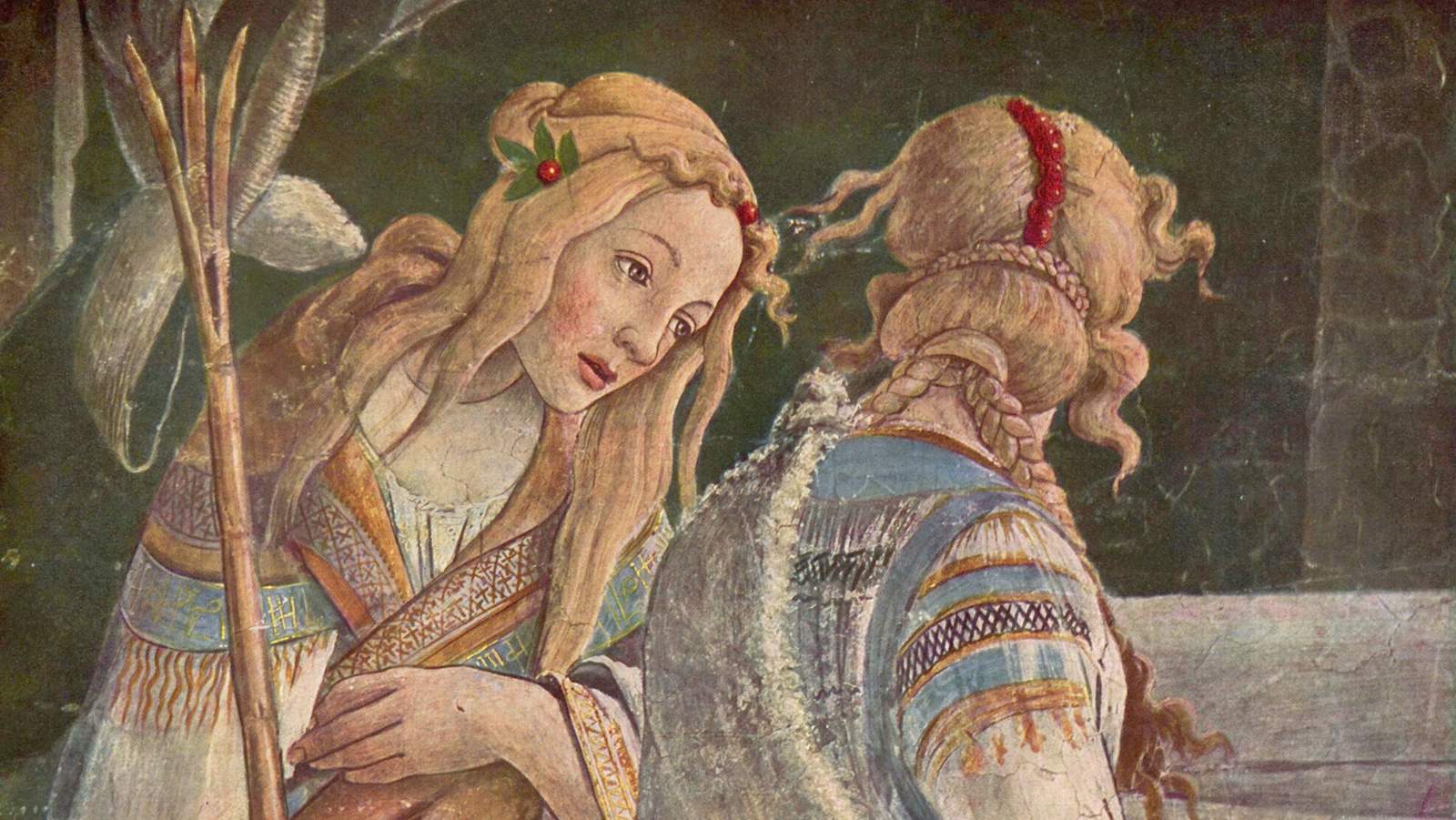
Who was Safoora? | Hidden Story of Zippora
Safoora was a remarkable woman whose quiet strength and bravery played a big part in one of the most important stories in history. Many people know her better by her biblical name, Zipporah or Zippora, as the wife of Prophet Moses (known as Musa in Islamic tradition). But the hidden story of Safoora reveals a woman of deep faith, courage, and love who supported her husband during the toughest times. In easy words, Safoora’s life teaches us about loyalty, quick thinking, and standing up for what is right, even when it is scary. Today, we will explore the full story of Safoora in simple English so everyone can understand her hidden journey from the deserts of Midian to her role beside one of God’s greatest prophets.
The name Safoora means “bird” in some traditions, just like Zippora, symbolizing freedom and purity. Safoora lived thousands of years ago in the land of Midian, a desert area near modern-day Saudi Arabia and Jordan. She was one of seven daughters of Jethro (also called Reuel or Shuayb in some stories), a wise priest and shepherd. Her family followed the faith of their ancestor Abraham. Safoora grew up helping her sisters take care of the sheep and draw water from wells. Life was simple but hard in the hot desert. Yet Safoora stood out because of her modesty, kindness, and strong character. This is why her story feels hidden today – many focus only on Moses, but Safoora was the steady partner who helped him fulfill his mission.
Early Life of Safoora in Midian
Safoora spent her childhood in the peaceful yet rugged land of Midian. Her father, Jethro, was not just a shepherd but also a respected leader who knew about the one true God. The family lived far from the big cities and palaces of Egypt, where Moses had grown up. Safoora and her sisters learned to work hard every day. They would walk to the well with heavy jars to fetch water for the flocks. This daily task was not easy because rude shepherds often tried to push them away. But Safoora and her sisters stayed patient and modest.
In those days, women in Safoora’s culture covered themselves properly and spoke softly. Safoora followed these values deeply. She believed in honesty and helping others. Little did she know that one day her simple act of kindness at the well would change her life forever. Safoora’s early life prepared her for bigger challenges. She learned to be brave in small ways, like protecting the family’s sheep or standing up to bullies at the well. These small lessons made her ready for the hidden story that would make her famous in religious books. Safoora’s family worshipped the God of Abraham, and this faith gave her inner peace in the lonely desert.
Midian was a beautiful but tough place. The sun was hot, water was precious, and life depended on the wells and green patches of land. Safoora helped her father manage the large flock of sheep. She watched how Jethro treated guests with respect and justice. These values stayed with Safoora. Later, when Moses arrived as a stranger running from Egypt, Safoora saw in him the same kindness her father taught. Her early life in Midian shaped Safoora into a woman who could handle big responsibilities with grace.

Historians and religious scholars say Midian was home to people who mixed cultures from Egypt and Arabia. Safoora’s family was part of this rich background. They kept old stories of prophets alive through oral telling around the campfire. Safoora listened carefully. She grew up knowing right from wrong. This knowledge helped her later when she faced the most dangerous moment in her marriage. Safoora was not famous in her youth, but her character made her the perfect match for Moses. Her hidden qualities of courage and faith waited for the right time to shine.
How Safoora Met Moses – A Fateful Day at the Well
One ordinary day changed everything for Safoora. Moses had fled Egypt after killing an Egyptian who was beating a Hebrew slave. He was tired, scared, and alone when he reached the well in Midian. Safoora and her six sisters arrived to water their father’s sheep. Some rude shepherds pushed the girls away and tried to take the water first. Moses, being a man of justice, stepped in. He helped the sisters and even drew water for their animals himself.
The sisters rushed home and told their father, Jethro, about this strong and kind Egyptian stranger. Jethro invited Moses to stay and eat with the family. Safoora watched Moses quietly. She admired his bravery and politeness. Soon, Jethro offered Moses a job as a shepherd and later gave him Safoora in marriage as a reward for his help. This was how Safoora became the wife of Moses. The meeting at the well was simple, but it started a lifelong partnership.
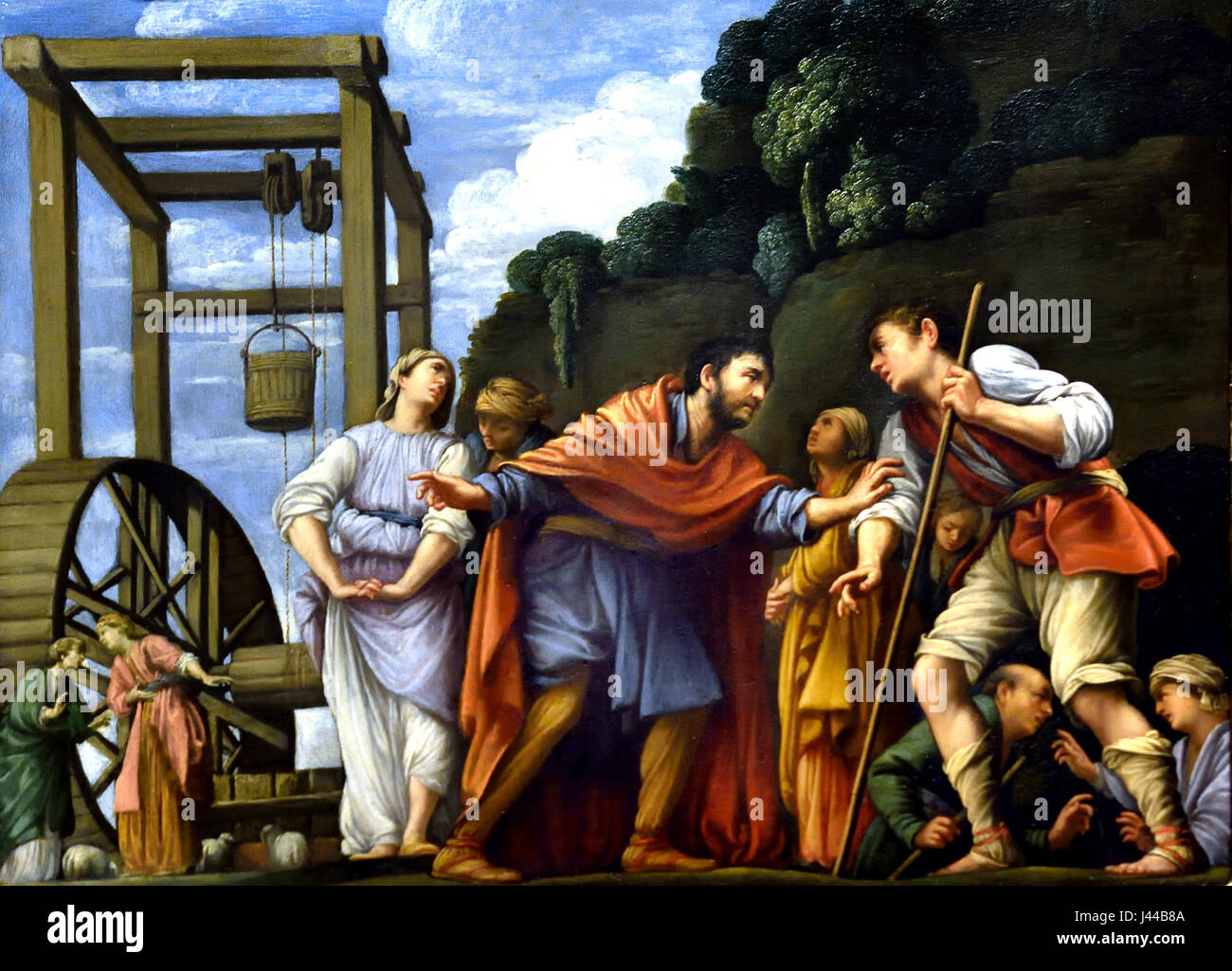
In easy words, Safoora saw Moses as a man who protected the weak. She felt safe with him. Moses, on the other hand, found peace in Safoora’s modest and faithful nature after years of trouble in Egypt. Their marriage was blessed with two sons – Gershom and Eliezer. Safoora took care of the home while Moses worked as a shepherd for forty years. During this time, Safoora supported her husband completely. She raised the children with strong values and kept the faith alive in the family tent. This quiet period in Midian was important for both of them.
Safoora’s role as a wife began right after that well meeting. She helped Moses adjust to desert life. She taught him about the local customs and shared stories of their shared faith. Moses learned to be a humble shepherd, far from the royal palace. Safoora’s love and support made this new life easier. Many people forget that without Safoora’s steady presence, Moses might not have been ready for the bigger call from God later. Their meeting at the well was no accident – it was part of a divine plan.

Marriage and Family Life of Safoora
Safoora and Moses built a happy family in Midian. They had two sons. Gershom’s name meant “a stranger there,” reminding them that they were living away from Moses’ people. Eliezer meant “God is my help,” showing their trust in God. Safoora was a loving mother who taught her boys about faith, hard work, and kindness. She managed the household while Moses tended the sheep. Life was peaceful but full of small joys like family meals around the fire and stories under the stars.
Safoora’s family life showed her dedication. She followed her husband’s lead but also spoke up when needed. In religious traditions, Safoora is praised for her modesty and wisdom. She kept the home clean and welcoming. When guests came, like her father Jethro, Safoora helped prepare food and showed hospitality. This family unit gave Moses the strength he needed for forty years in exile. Safoora never complained about the simple desert life. Instead, she saw it as a blessing that prepared them for greater things.

In Islamic stories, Safoora is remembered as a righteous woman who supported Prophet Musa fully. She walked with modesty and advised her father wisely. Her marriage to Moses was based on respect and shared belief in one God. Safoora raised her sons to be honest and brave. Even though the Bible and Quran do not give many details about daily life, traditions say Safoora was the rock of the family. She helped Moses stay connected to God during quiet years. Their love was deep and steady, like the desert winds that never stop.
Safoora also helped Moses learn the ways of the desert. She showed him how to find water, care for animals, and live simply. This knowledge later helped Moses lead the Israelites through the wilderness. Without Safoora’s practical help, Moses might have struggled more. Their family life was full of love, faith, and teamwork. Safoora’s hidden story includes these everyday moments that built a strong foundation for the bigger miracles to come.
The Hidden Story of Safoora – Her Brave Act That Saved Moses
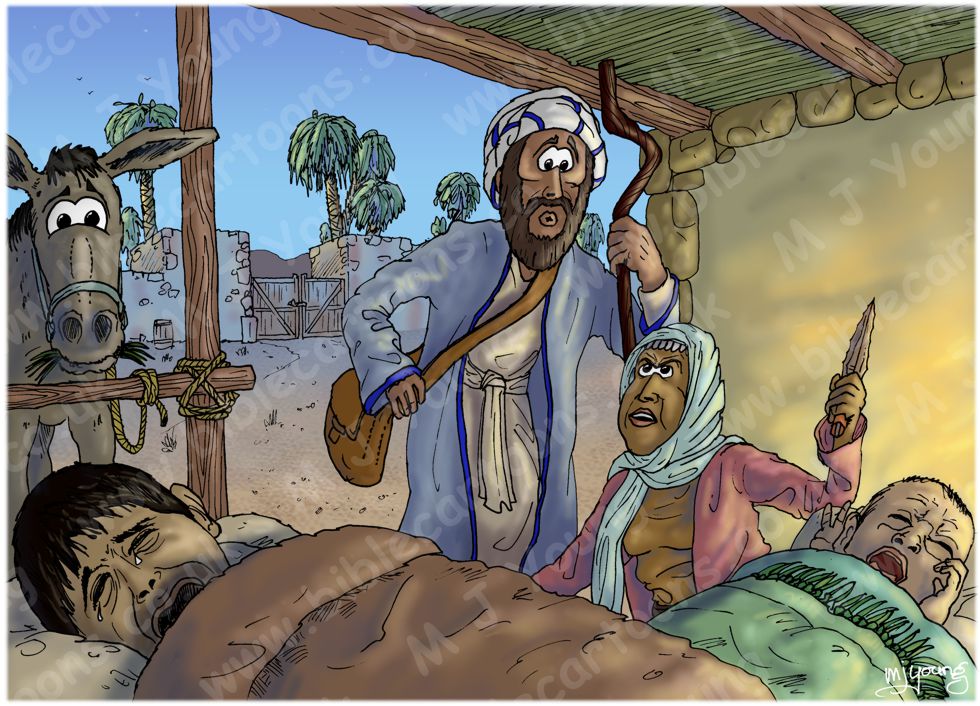
This is the most dramatic and often hidden part of Safoora’s story. After God spoke to Moses from the burning bush and told him to go back to Egypt to free the Israelites, Moses took Safoora and their sons on the journey. On the way, at a lodging place, something frightening happened. God appeared in anger because Moses had not circumcised one of their sons as per the covenant. In those times, this was a serious command from God. An angel or divine force threatened Moses’ life.
Safoora acted fast. She took a sharp flint stone, circumcised her son herself, and touched the foreskin to Moses’ feet. She said, “Surely you are a bridegroom of blood to me!” This brave act satisfied the divine command and saved Moses’ life. Safoora’s quick thinking and courage turned a deadly moment into safety. Many call this the hidden story of Safoora because it shows her as a true protector and woman of action. She did not panic. She understood what God wanted and did it immediately, even though it was painful and unusual for her to perform the ritual.

In easy words, Safoora saved her husband from death through her faith and bravery. This moment is mentioned briefly in the Bible (Exodus 4:24-26), but religious scholars talk about it a lot. In Islamic traditions, Safoora’s act highlights her righteousness and support for Prophet Musa. She knew the importance of following God’s rules. Her words “bridegroom of blood” showed she accepted the covenant fully, even at great personal cost. This hidden story of Safoora proves she was not just a quiet wife but a hero who stepped up when needed.
After this event, Safoora and the sons returned to Midian for a while. Moses continued to Egypt alone. But Safoora’s courage stayed in the family memory. Later, she rejoined Moses in the desert with her father Jethro and the boys. The hidden story shows Safoora’s deep understanding of faith. She did not wait for Moses to act; she took charge. This act also started discussions among scholars about women’s roles in religious duties. Safoora’s bravery made her a role model for generations.
Safoora’s Role During the Exodus and Later Life
Once the Israelites left Egypt, Safoora came back to Moses in the wilderness with Jethro and the children. She saw the miracles – the parting of the sea, the manna from heaven. Safoora stayed supportive while Moses led the huge group. She helped with the women and children. Her presence reminded everyone of family values during hard times. Safoora lived through the complaints of the people and the challenges of desert travel. Yet she remained faithful.
Some traditions say Safoora faced jealousy from others, like Miriam and Aaron, who spoke against Moses because of his “Cushite wife.” Scholars debate if this referred to Safoora or another wife, but many believe it was about her or showed family tensions. Safoora handled it with grace. She focused on supporting Moses and raising her sons. After the Exodus, Safoora’s life became quieter again. She is not mentioned much in later books, but her legacy lived on through her children and the lessons she taught.
Safoora’s role was vital because she kept Moses grounded. While he talked to God on the mountain, Safoora cared for the family. Her hidden story includes these behind-the-scenes efforts that helped the entire nation. Safoora showed that true strength often comes from quiet support and faith.
Safoora in Bible, Islamic Traditions, and Modern Views
In the Bible, Safoora (as Zipporah) appears in Exodus chapters 2, 4, and 18. She is the Midianite wife who saves Moses. Islamic stories call her Safoora or Safura and praise her modesty, wisdom, and help to Prophet Musa. Both traditions agree she was a righteous woman. Modern readers find her inspiring because she balanced family and faith in difficult times. Safoora’s story encourages women today to be strong, supportive, and courageous.
Scholars compare Safoora to other strong women in scriptures. Her act at the inn is like other heroic moments where women stepped in to save leaders. In easy English, Safoora reminds us that God uses ordinary people in extraordinary ways. Her hidden story connects Bible and Quran beautifully.
Lessons from the Life of Safoora
Safoora teaches us many lessons. First, be kind and helpful like she was at the well. Second, act with courage when it matters most, as in the circumcision moment. Third, support your family with love and faith every day. Safoora’s life shows that hidden heroes make big differences. She never sought fame, but her actions changed history. In our busy world, we can learn from Safoora to stay modest, faithful, and ready to help. Her story encourages families to work together and trust God. Safoora proves that a good wife and mother can be a true partner in divine plans.
Safoora also reminds us about the power of quick thinking and obedience to God. Even in fear, she chose faith. This lesson is timeless. Parents can teach children about Safoora to show the importance of courage and family values. Her hidden story is full of hope for anyone facing challenges. Safoora lived simply but left a rich legacy of strength and love.
Why the Hidden Story of Safoora Matters Today
Many people skip over Safoora’s parts in religious readings because they focus only on Moses’ big miracles. But the hidden story of Safoora shows the human side of these events. She faced real dangers, raised children in the desert, and supported a prophet. In today’s world, her story helps us value the unsung heroes in our own families. Safoora’s life encourages women to speak up and act when needed. It also teaches men to appreciate strong partners. The hidden story of Safoora connects ancient faith to modern life in beautiful ways. By learning about Safoora, we understand that every person in a story has an important role.
Safoora’s modesty, bravery, and faith make her a role model across religions. Her name may not be as famous as Moses’, but her actions were crucial. This is why we remember Safoora today – to honor the hidden stories that complete the bigger picture. Safoora lived a life of service, and her example still inspires millions. Whether you read the Bible or follow Islamic traditions, Safoora’s journey from the well in Midian to the desert with Moses is a story of love, courage, and divine purpose.
The full life of Safoora shows us that God chooses people from all backgrounds. Safoora was a simple shepherd’s daughter, yet she became the wife of a great prophet. Her sons carried the family line forward. Safoora’s hidden story is about ordinary faith doing extraordinary things. She faced exile, travel dangers, family tensions, and the unknown future with trust in God. This complete picture helps us see Safoora as a full person – not just a name in a book. Safoora’s legacy lives in the lessons of kindness, bravery, and family unity. Her story deserves to be told again and again so new generations can learn from her example.
In conclusion, Safoora was much more than Moses’ wife. She was a protector, mother, supporter, and woman of deep faith. The hidden story of Zippora (Safoora) reveals courage at the inn, love in the desert, and quiet strength that helped change the world. By remembering Safoora, we honor all the hidden heroes who make big stories possible. Her life in easy words is a beautiful reminder that faith and family can overcome any challenge. Safoora’s journey continues to inspire people everywhere to live with purpose, modesty, and bravery.
Disclaimer
This article is for educational and informational purposes only. It is based on interpretations from the Bible, Islamic traditions, historical sources, and scholarly discussions. Religious stories can have different views across faiths and cultures. The content does not claim to be the final or only truth. Readers should consult their own religious scholars or primary texts for personal guidance. We respect all beliefs and aim to share the story of Safoora respectfully.
FAQs
- Who was Safoora? Safoora was the wife of Prophet Moses (Musa) and is known as Zipporah in the Bible. She was a Midianite woman known for her faith and bravery.
- What is the hidden story of Zippora? The hidden story of Zippora (Safoora) mainly refers to her quick action in circumcising her son to save Moses’ life during their journey to Egypt.
- Where did Safoora live? Safoora lived in Midian, a desert region, with her father Jethro before and after marrying Moses.
- Did Safoora have children? Yes, Safoora had two sons with Moses – Gershom and Eliezer.
- Why is Safoora’s story called hidden? Safoora’s brave acts and daily support are mentioned briefly in scriptures, so many people overlook her important role.
- Is Safoora mentioned in the Quran? The Quran does not name her directly, but Islamic traditions and stories describe her as Safura or Safoora, the righteous wife of Prophet Musa.
- What does the name Safoora mean? It is linked to “bird” or purity, similar to Zipporah, symbolizing freedom and grace.
- How did Safoora meet Moses? She met him at a well in Midian when Moses helped her and her sisters water their sheep.
- What lesson can we learn from Safoora? Safoora teaches courage, faith, family support, and quick action in times of need.
- Why should we know about Safoora today? Her story shows the value of hidden heroes and encourages strong family values and trust in God.
References
- Wikipedia: Zipporah (en.wikipedia.org/wiki/Zipporah)
- Chabad.org: The Untold Story of Zipporah, Wife of Moses
- TheTorah.com: Moses’ Kushite Wife Was Zipporah the Midianite
- Bible Gateway: Exodus chapters 2, 4, 18
- Jewish Women’s Archive: Zipporah in the Bible
- YouTube: The Hidden Story of Safoora | Prophet Musa (AS)’s Wife Zippora (various religious storytelling channels)
- GotQuestions.org: Who was Moses’ wife? All information is drawn from publicly available religious and historical sources as of 2026.
