

Pre-Islamic Arabia: Society, Culture and Beliefs
Pre-Islamic Arabia was a land of vast deserts, proud tribes, and rich traditions that shaped the lives of its people for centuries. This period, before the rise of Islam in the 7th century, is often called the Age of Ignorance or Jahiliyyah by later historians. Yet, Pre-Islamic Arabia had a complex society full of honor, poetry, trade, and unique beliefs. In Pre-Islamic Arabia, people lived by strict tribal rules, valued bravery, and followed ancient customs passed down through generations. This article explores the society, culture, and beliefs of Pre-Islamic Arabia in simple words so everyone can understand the fascinating world that existed long ago.
The Land and People of Pre-Islamic Arabia
Pre-Islamic Arabia covered the huge Arabian Peninsula, a dry and harsh place with endless sand dunes, rocky mountains, and rare oases. Water was scarce, so most people moved from place to place as nomads. In Pre-Islamic Arabia, the desert was not empty; it was home to many tribes who knew every well and path. Cities like Mecca and Yathrib (later Medina) grew around important water sources and trade routes. These settled spots became centers of business and worship.
The people of Pre-Islamic Arabia were mostly Arabs, divided into tribes. Each tribe had its own leader, called a sheikh, who made decisions for the group. Loyalty to the tribe came first. In Pre-Islamic Arabia, family ties were strong, and blood relations decided who you helped in times of trouble. Nomads lived in tents made of camel hair and raised camels, sheep, and goats. They moved with the seasons to find grass for their animals. Settled people in oases grew dates, barley, and other crops. Life in Pre-Islamic Arabia depended on the harsh environment, which made people tough and self-reliant.

A map of Pre-Islamic Arabia shows the main tribes and cities clearly. You can see how the Quraysh tribe controlled Mecca, while other groups like the Ghassanids lived in the north and traded with empires outside the peninsula.
Society in Pre-Islamic Arabia: Tribes, Family, and Daily Life
Society in Pre-Islamic Arabia was built around tribes. There were big tribes and smaller clans. The most famous was the Quraysh in Mecca, who looked after the Kaaba. Tribes protected their members and fought for honor. In Pre-Islamic Arabia, a person without a tribe was weak and had no protection. This tribal system created both unity and conflict.
Family was the heart of life in Pre-Islamic Arabia. Men were the leaders, but women had important roles too. A typical family included parents, children, grandparents, and uncles. Marriages were arranged to strengthen tribe bonds. Sometimes, girls were married young, but strong women like business leaders existed. Slavery was common. Captured people from raids became slaves and worked in homes or with animals. Yet, some slaves could earn freedom through good service.
Women in Pre-Islamic Arabia had mixed rights. Some owned property and ran businesses. Others faced harsh customs like female infanticide, where baby girls were buried alive because families wanted sons. But many women were respected as poets or warriors. Family gatherings happened around the fire at night, where stories were told. In Pre-Islamic Arabia, hospitality was a sacred duty. A stranger could knock on a tent and receive food and shelter for three days without question. This custom showed the generous spirit of the people.
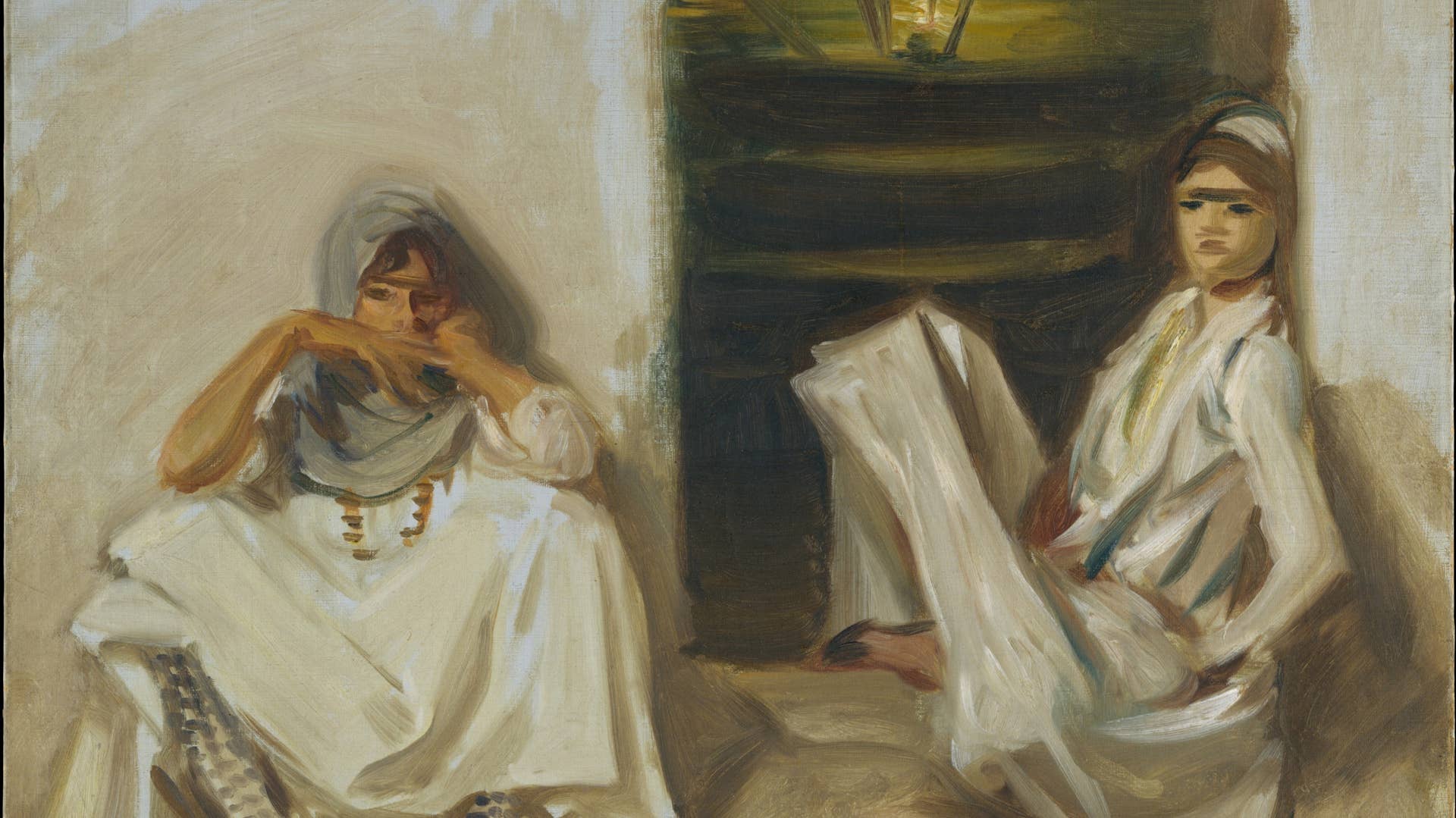
Daily life in Pre-Islamic Arabia mixed hard work and simple joys. Men hunted, herded animals, or guarded trade caravans. Women cooked, wove cloth, and cared for children. Children learned riding and fighting from a young age. Food was basic—dates, milk, bread, and roasted meat on special days. Clothing was practical: long robes for men and colorful dresses or veils for women. In Pre-Islamic Arabia, clothes showed status. Rich people wore fine silk from trade, while nomads used wool.
Social classes existed, but were not as rigid as in other ancient lands. A brave warrior or wise poet could rise high even from a poor background. Gambling, drinking wine, and raiding were common entertainments, though they often led to fights. Pre-Islamic Arabia had no central government or written laws. Everything followed unwritten tribal codes called urf. Breaking these codes meant shame for the whole family.
Economy and Trade Routes in Pre-Islamic Arabia
Trade made Pre-Islamic Arabia rich and connected to the world. The peninsula sat between great empires—the Byzantine in the north and the Persian in the east. Merchants carried goods along dangerous desert paths. In Pre-Islamic Arabia, the main exports were incense, myrrh, spices, leather, and camels. These items were prized in Rome, India, and China.
Caravans of hundreds of camels crossed the sands. Guards protected them from robbers. Stops at oases like Mecca allowed rest and business. Mecca became a major hub because of the Kaaba and its safe location. In Pre-Islamic Arabia, trade was not just about money—it built friendships between tribes and brought new ideas. Fairs happened yearly where people bought, sold, and competed in poetry.
Camels were called “ships of the desert” for good reason. They carried heavy loads and survived weeks without water. Owners treated them like family. In Pre-Islamic Arabia, a man’s wealth was measured by his camels and horses. Poor families owned a few goats, while rich merchants had hundreds of animals. Fishing and pearl diving happened along the coasts, adding to the economy in some areas.
This busy market scene from ancient trade shows camels loaded with goods and merchants bargaining in the shade. Life in Pre-Islamic Arabia revolved around these routes, which later helped spread new faiths.
Taxes did not exist in the modern sense, but tribes took shares from raids or gifts. Money was rare; people bartered goods. Gold and silver coins from Rome and Persia were used by wealthy traders. Pre-Islamic Arabia had no banks, so trust and honor sealed every deal. A broken promise could start a war lasting years.
Culture in Pre-Islamic Arabia: Poetry, Art, Music, and Hospitality
Culture in Pre-Islamic Arabia shone brightest in poetry. Arabs loved words. A good poem could bring fame across the peninsula. The most famous were the Muallaqat—seven prize poems hung on the Kaaba walls. Poets like Imru’ al-Qais, Antarah bin Shaddad, and Zuhayr bin Abi Sulma told stories of love, battle, and desert life. In Pre-Islamic Arabia, poetry contests happened at fairs like Ukaz. Winners gained respect like modern celebrities.
Poets were the historians and journalists of their time. They praised their tribe, mocked enemies, and described nature in beautiful detail. Oral tradition was strong because most people could not read or write. Stories passed from father to son around campfires. Music and dance added joy. Drums, flutes, and simple string instruments played at weddings and victories. In Pre-Islamic Arabia, singing girls called qiyan entertained at parties with songs of love and heroism.

Art was simple but meaningful. People carved rocks with tribal marks or drew animals on cave walls. Jewelry made of gold, silver, and beads showed status. Women wore heavy necklaces and earrings. In Pre-Islamic Arabia, visual art was less common than the spoken word because the nomadic life made heavy objects hard to carry.
Hospitality stood as a core value. Refusing a guest meant great shame. Even enemies received protection once they entered a tent. This custom kept travelers safe and built alliances. Games like horse racing, archery, and wrestling tested skill and strength. Gambling with arrows was popular but criticized by some.
Clothing and grooming mattered too. Men grew beards as signs of manhood. Women used kohl around their eyes for beauty and protection from the sun. Tattoos and scars marked tribal identity. Culture in Pre-Islamic Arabia mixed pride, creativity, and survival skills that helped people thrive in tough conditions.
Beliefs and Religion in Pre-Islamic Arabia
Beliefs in Pre-Islamic Arabia were polytheistic—people worshipped many gods. They believed in spirits called jinn that lived in deserts and could help or harm humans. The supreme god was Allah, but many lesser gods and goddesses received most daily prayers. In Pre-Islamic Arabia, each tribe had its favorite idols. Al-Lat, al-Uzza, and Manat were three popular goddesses linked to fertility and protection.
The Kaaba in Mecca was the biggest shrine. It housed 360 idols from different tribes. Pilgrims visited yearly, walking around the black stone and making sacrifices. In Pre-Islamic Arabia, the Kaaba was a neutral place where fighting was banned during the holy months. This peace helped trade. Priests and soothsayers read signs in stars, animal livers, or arrows to predict the future.
![The Other Kaabas and Gods of Arabia Before Islam | [Documentary]](https://i.ytimg.com/vi/IqWBwtkmo9o/maxresdefault.jpg "Pre-Islamic Arabia: Society, Culture and Beliefs")
Ancient drawings show the Kaaba and surrounding shrines as people imagined them before Islam. Idols were made of stone, wood, or metal. Some tribes believed rocks or trees had divine power.
Superstitions were everywhere. People feared the evil eye and used amulets for protection. Divination with arrows decided important choices like marriage or war. In Pre-Islamic Arabia, religion was mixed with daily life. No single holy book existed, but oral myths told of ancient prophets and floods.
Some Arabs followed Christianity or Judaism, especially near the borders. Christian tribes like the Ghassanids allied with Byzantium. Jewish communities lived in Yathrib. Most people, however, kept their traditional beliefs. In Pre-Islamic Arabia, religion gave comfort in a dangerous world and explained why the desert was so harsh.
Idols stood in shrines across the land. People kissed them, offered food, or sacrificed animals. In Pre-Islamic Arabia, these rituals created community bonds during festivals. Yet, some thinkers questioned the many gods and wondered about one true creator. This search later opened the way for new ideas.
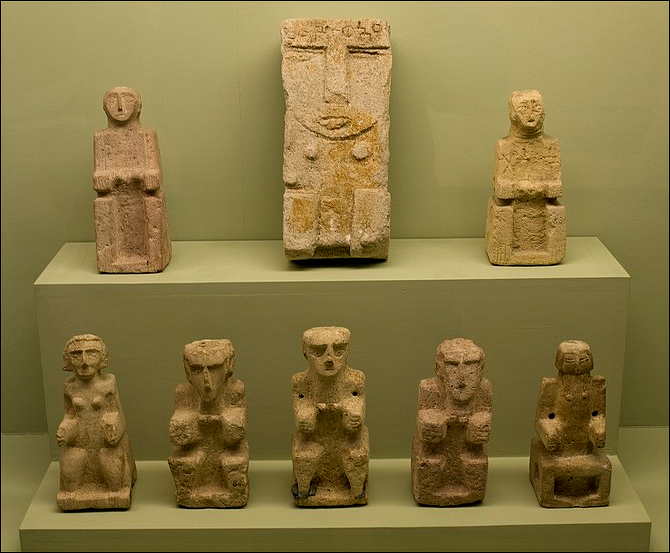
These stone figures are real artifacts from Pre-Islamic Arabia, showing how people carved gods to worship.
Role of Women, Family, and Social Customs
Family life in Pre-Islamic Arabia centered on survival and honor. Marriages strengthened tribes. A man could have multiple wives, but he had to support them. Divorce was possible, but it brought shame. Children belonged to the father’s tribe. In Pre-Islamic Arabia, boys learned fighting and girls learned household skills.
Women could inherit property in some tribes and even lead after a husband’s death. Famous examples include powerful businesswomen who later influenced history. Yet, harmful practices existed too. In Pre-Islamic Arabia, some families killed newborn girls out of poverty or preference for sons. Poets sometimes criticized this cruel custom.
Social customs taught respect for elders. Old people shared wisdom around the fire. Feuds between tribes could last generations over small insults. Blood money, called diya, is paid for injuries or deaths to stop endless wars. In Pre-Islamic Arabia, these rules kept a kind of rough justice.
Wars, Conflicts, and Tribal Honor in Pre-Islamic Arabia
Wars were part of life in Pre-Islamic Arabia. Tribes raided for animals, water, or revenge. Honor demanded that any wrong be answered. A single insult could spark a battle lasting years. Famous wars like the War of Dahis and Ghabra started over a horse race and killed many.
Warriors on horses or camels charged with spears and swords. Poetry praised brave fighters. In Pre-Islamic Arabia, battles often ended with truces and feasts rather than total defeat. This kept the population from dying out in the harsh land.

Brave warriors on horseback represent the fighting spirit that defined many conflicts in Pre-Islamic Arabia.
Raiding was almost a sport. Young men proved their courage by stealing camels at night. Successful raids brought glory and wealth. Yet, constant fighting also caused suffering. In Pre-Islamic Arabia, people dreamed of peace but lived by the sword when needed.
Legacy of Pre-Islamic Arabia
The customs of Pre-Islamic Arabia did not disappear with the coming of Islam. Many good values—like poetry, hospitality, and tribal pride—continued and blended with new faith. Trade routes later helped spread Islam across Asia and Africa. In Pre-Islamic Arabia, the foundation was laid for a civilization that would influence the world.
Today, we can still see echoes in Arab culture: love of language, respect for guests, and strong family bonds. Pre-Islamic Arabia teaches us how people adapt to difficult environments and create beauty through stories and courage.
Pre-Islamic Arabia was a world of contrasts—harsh yet poetic, divided yet connected by shared beliefs. Its society, culture, and beliefs shaped millions of lives and left a lasting mark on history. By learning about Pre-Islamic Arabia, we better understand the roots of many traditions we see today.
Disclaimer
This article on Pre-Islamic Arabia: Society, Culture and Beliefs is written for educational and informational purposes only. It draws from historical records, archaeological findings, and traditional accounts. Interpretations of ancient events can vary among scholars. The content does not intend to offend any religious, cultural, or ethnic group. Readers should consult primary sources or academic experts for deeper study. No part of this article constitutes professional historical, religious, or legal advice.
FAQs
1. What does Pre-Islamic Arabia mean? Pre-Islamic Arabia refers to the Arabian Peninsula and its people before the arrival of Islam in 610 CE. It is also known as the Jahiliyyah period.
2. How did people live in Pre-Islamic Arabia? Most lived as nomads, herding animals or in settled oases, trading goods. Life centered on tribes, family, and survival in the desert.
3. What were the main beliefs in Pre-Islamic Arabia? People worshipped many gods and goddesses through idols. They also believed in jinn, stars, and a supreme god called Allah.
4. Why was poetry so important in Pre-Islamic Arabia? Poetry preserved history, praised heroes, and settled disputes. The best poems were honored by hanging on the Kaaba.
5. Did women have rights in Pre-Islamic Arabia? Rights varied by tribe. Some women owned property and led businesses, but others faced customs like female infanticide.
6. What made trade strong in Pre-Islamic Arabia? Location between major empires and demand for incense and spices created busy caravan routes that brought wealth and ideas.
7. How did tribes solve conflicts in Pre-Islamic Arabia? Through raids, blood money payments, or truces. Honor and revenge played big roles in keeping peace or starting wars.
8. What is the Kaaba’s role in Pre-Islamic Arabia? It was the main shrine,ne housing many idols and a place of pilgrimage and truce where fighting was forbidden.
References
- Hoyland, Robert G. Arabia and the Arabs: From the Bronze Age to the Coming of Islam. Routledge, 2001.
- Ibn al-Kalbi. The Book of Idols (translated edition). Princeton University Press.
- Al-Tabari. The History of al-Tabari, Vol. 1: From the Creation to the Flood. SUNY Press.
- Britannica Encyclopedia entries on Bedouin and Pre-Islamic Arabia (accessed via public archives).
- Archaeological reports from the Saudi Commission for Tourism and National Heritage on ancient idols and trade routes.
- Lumen Learning and SmartHistory academic modules on Pre-Islamic Arabia (public educational resources).
All images used are for illustrative purposes and sourced from public historical and educational archives.
