

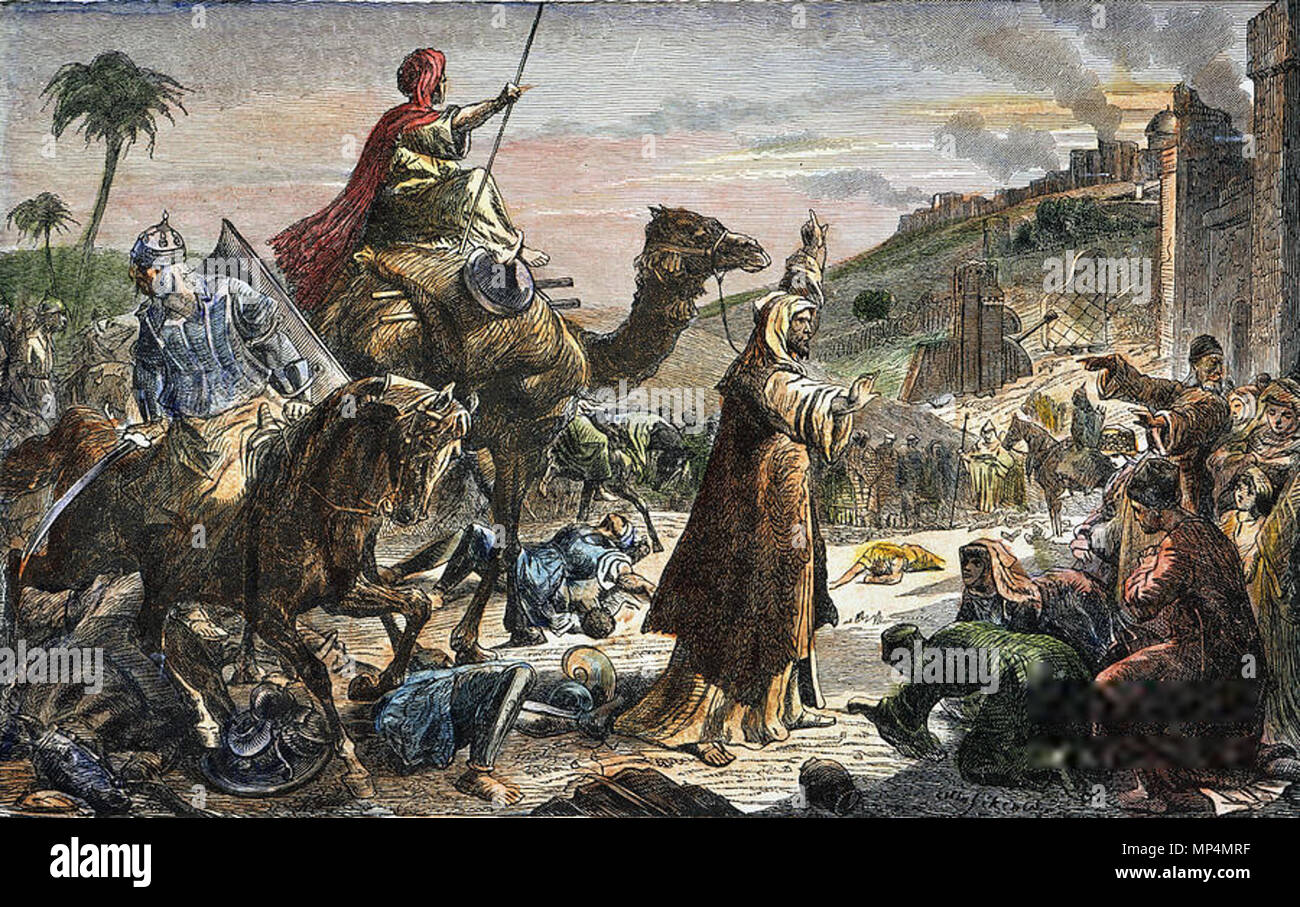
The Family Tree of Umar ibn Al-Khattab (RA)
Umar ibn Al-Khattab (RA) stands as one of the greatest leaders in Islamic history. He was the second Caliph after Prophet Muhammad (PBUH) and a close companion known for his justice, strength, and wisdom. Many Muslims today study The Family Tree of Umar ibn Al-Khattab (RA) to understand his roots, his loved ones, and how his family helped spread Islam. This article explores the Family Tree of Umar ibn Al-Khattab (RA) in simple words. We will look at his ancestors, parents, brothers and sisters, wives, children, and later generations. Learning about the Family Tree of Umar ibn Al-Khattab (RA) shows us how faith, family, and hard work shaped early Islam. It also teaches lessons for Muslim families today. Let us delve into the Family Tree of Umar ibn Al-Khattab (RA) and uncover the inspiring stories behind this noble lineage.
Who was Umar ibn Al-Khattab (RA)? A Quick Look Before Diving into the Family Tree of Umar ibn Al-Khattab (RA)
Before we explore the Family Tree of Umar ibn Al-Khattab (RA) in detail, it is important to know Umar himself. Umar was born around 584 CE in Makkah. He belonged to the Banu Adi clan of the Quraysh tribe. In his early days, he was a strong and respected man who looked after camels and worked as a merchant. He was known for his honesty, but also for initially opposing Islam. Then, something amazing happened. His sister Fatimah and her husband Sa'id ibn Zayd became Muslims. Umar heard them reciting the Quran and felt a change in his heart. He greatly accepted Islam and became one of the first strong supporters of Prophet Muhammad (PBUH).
After converting, Umar played a big role in Islam. He migrated to Madinah with the Prophet (PBUH). He fought in battles like Badr, Uhud, and the Trench. The Prophet (PBUH) gave him the title "Al-Farooq," meaning the one who separates truth from falsehood. When Abu Bakr (RA) became the first Caliph, Umar helped him a lot. After Abu Bakr passed away, Umar became the second Caliph in 634 CE. During his rule, the Muslim empire grew fast. He conquered Syria, Egypt, Persia, and more lands. Umar set up systems for justice, the army, and welfare. He was simple in his life and cared deeply for the poor. He died in 644 CE after an assassination in Madinah. His life shows strength mixed with kindness. Now, let us see how The Family Tree of Umar ibn Al-Khattab (RA) supported him and carried his legacy forward.
The Family Tree of Umar ibn Al-Khattab (RA) is not just names on paper. It is a story of faith, sacrifice, and love for Allah and His Prophet. Many family members became companions of the Prophet (PBUH). Some protected the Quran. Others became great scholars. By studying The Family Tree of Umar ibn Al-Khattab (RA), we learn how one man's choice to follow Islam changed his whole family and the world.

The Roots and Ancestry in The Family Tree of Umar ibn Al-Khattab (RA)
To understand the Family Tree of Umar ibn Al-Khattab (RA) fully, we start from the beginning. Umar came from the noble Quraysh tribe in Makkah. His full lineage is Umar ibn Al-Khattab ibn Nufayl ibn Abd al-Uzza ibn Riyah ibn Qurt ibn Razah ibn Adi ibn Ka'b ibn Lu'ayy. This line connects far back to ancient Arab leaders. It even meets the Prophet Muhammad's (PBUH) family at Ka'b ibn Lu'ayy, showing they shared common roots in the Quraysh.
The Banu Adi clan, where Umar belonged, was known for solving disputes among tribes. They were honest and brave. In The Family Tree of Umar ibn Al-Khattab (RA), these qualities were passed down to Umar. His ancestors were merchants and leaders who traveled with caravans. They valued justice and family honor. Even before Islam, Umar's family had a name for fairness. This background helped Umar become a great ruler later. When we trace the Family Tree of Umar ibn Al-Khattab (RA), we see how Allah chose a strong family to support His message.
Umar's great-grandfather, Nufay,l was respected for wisdom. People came to him for advice. This sense of responsibility flowed into Umar. In The Family Tree of Umar ibn Al-Khattab (RA), we also see connections to other Quraysh clans through marriages. These ties helped unite Muslims after the conquest of Makkah. The ancestry in The Family Tree of Umar ibn Al-Khattab (RA) reminds us that good character starts from home and passes through generations.
Parents and Siblings: The Close Family in The Family Tree of Umar ibn Al-Khattab (RA)
In The Family Tree of Umar ibn Al-Khattab (RA), his parents played a key role in shaping him. His father was Al-Khattab ibn Nufayl. He was a merchant and camel herder. Al-Khattab was strict but fair. He taught Umar hard work and pride in their tribe. Though Al-Khattab did not accept Islam, Umar still respected him. After Umar became Muslim, he treated his father with kindness.
Umar's mother was Hantamah bint Hisham from the Banu Makhzum tribe. She came from a powerful family linked to famous leaders like Abu Jahl's side. Hantamah raised Umar with strong values. In The Family Tree of Umar ibn Al-Khattab (RA), she is remembered as a woman of strength. Umar loved and honored his mother even after she passed away.
Umar had siblings who appear in The Family Tree of Umar ibn Al-Khattab (RA). His brother Zayd ibn al-Khattab also accepted Islam early. Zayd fought bravely in battles and became a martyr in the Battle of Yamama. His sister Fatimah bint al-Khattab was one of the first Muslims. She and her husba, nd Sa'id ibn Zayd hid their faith at first. When Umar found out, he went to their house angry. But hearing the Quran softened his heart, and he accepted Islam too. Fatimah's courage is a beautiful part of The Family Tree of Umar ibn Al-Khattab (RA). She showed that family can guide each other to the right path.
These close relatives in The Family Tree of Umar ibn Al-Khattab (RA) supported Umar through tough times. Their stories teach us that faith can change entire households.
Wives of Umar ibn Al-Khattab (RA) and Their Placethe The Family Tree of Umar ibn Al-Khattab (RA)
The Family Tree of Umar ibn Al-Khattab (RA) includes several wives who stood by him. Umar married for family and support of Islam, not just personal reasons. He said he married to have children who would remember Allah. Here are the main wives:
First, Zaynab bint Maz'un from Banu Jumah. She was his wife before Islam and stayed with him. She gave birth to important children like Abdullah and Hafsa. Zaynab accepted Islam and helped raise a strong Muslim family.
Umm Kulthum bint Jarwal was another wife. Umar divorced her after a Quranic verse about not marrying non-Muslims. She gave him sons like Ubaydullah and Zayd.
Qurayba bint Abi Umayya was divorced later. She had no children with Umar.
Jamila bint Thabit (also called Asiya) from the Aws tribe in Madinah married Umar after Hijrah. She bore Asim ibn Umar. Jamila was a strong woman who supported the Muslim community.
Atiqa bint Zayd came from a noble family. She was previously married to Abdullah ibn Abi Bakr. She gave Umar a son named Iyad.
Umm Hakim bint al-Harith ibn Hisham married Umar after her first husband died in battle. She was the mother of Fatimah bint Umar.
Umm Kulthum bint Ali ibn Abi Talib (daughter of Ali and Fatimah) married Umar in 17 AH. This marriage brought families closer. She bore Zayd and Ruqayya. Some sources note that this union helped unite the companions.
Other wives, like Atiqa and possibly slave mothers (Umm Walad), added to the family. In The Family Tree of Umar ibn Al-Khattab (RA), these women raised children who served Islam. They lived simple lives, helped the poor, and taught good manners. Their role shows how wives in The Family Tree of Umar ibn Al-Khattab (RA) built a foundation for future generations.

Children in The Family Tree of Umar ibn Al-Khattab (RA): Sons and Daughters Who Shone Bright
The heart of The Family Tree of Umar ibn Al-Khattab (RA) lies in his children. Umar had around 14 children – 10 sons and 4 daughters. Each one has a special story.
Hafsa bint Umar (RA): One of the most famous daughters. She was born to Zaynab bint Maz'un. Hafsa first married Khunais ibn Hudhafa, who died in battle. Then she married Prophet Muhammad (PBUH) and became a Mother of the Believers. Hafsa was smart and strong. She memorized the Quran and kept the first full copy of it after the Prophet's death. She lived a life of worship and taught many women about Islam. Her place in The Family Tree of Umar ibn Al-Khattab (RA) links Umar's family directly to the Prophet (PBUH).
Abdullah ibn Umar (RA): A great soofom Zaynab. He accepted Islam as a young boy and migrated to Madinah. Abdullah became a top companion and scholar. He narrated thousands of Hadiths. He was known for his piety and never missed a prayer. Abdullah joined battles and lived simply. He had many children who continued the line of knowledge. In The Family Tree of Umar ibn Al-Khattab (RA), Abdullah is a shining example of following his father's footsteps in justice and learning.
Asim ibn Umar: Born to Jamila bint Thabit. Asim was pious and brave. His daughter Layla married into the Umayyad family, and their son became Caliph Umar ibn Abd al-Aziz – a just ruler who revived Umar's ways. This link in The Family Tree of Umar ibn Al-Khattab (RA) shows how the family influenced later caliphs.
Ubaydullah ibn Umar: From Umm Kulthum bint Jarwal. He was brave but acted rashly after his father's death by killing some suspects. Later, he fought in battles and died as a martyr. His story in The Family Tree of Umar ibn Al-Khattab (RA) teaches about controlling anger.
Zayd ibn Umar (various sons with the same name): One from Umm Kulthum bint Jarwal, another from Umm Kulthum bint Ali. They participated in conquests and lived honorable lives.
Abdur Rahman ibn Umar (elder, middle, younger): Several sons with this name from different mothers. They helped in administration and battles. One was called Abu Shahmah.
Iyad ibn Umar: From Atiqa bint Zayd. He grew up under Umar's guidance.
Fatimah bint Umar: From Umm Hakim. She lived a quiet life of faith.
Ruqayya bint Umar and Zaynab bint Umar: Daughters from Umm Kulthum bint Ali and others. They married into good families and raised Muslim homes.
The Family Tree of Umar ibn Al-Khattab (RA) shows that all these children grew up with strong Islamic values. Umar taught them to be just, pray on time, and help others. Many became Sahaba and helped build the empire. Their lives prove that good parenting creates a lasting impact.

Grandchildren and Later Descendants in the Family Tree of Umar ibn Al-Khattab (RA)
The Family Tree of Umar ibn Al-Khattab (RA) continues through grandchildren who kept the legacy alive. Abdullah ibn Umar's sons, like Salim ibn Abdullah and Abd al-Rahman ibn Abdulla,h became great Hadith narrators. Salim was so pious that people compared him to the early companions.
From Asim's line came Umar ibn Abd al-Aziz, the Umayyad Caliph known as the fifth rightly-guided leader. He stopped unfair taxes, helped the poor, and ruled with Umar's justice. This shows the Family Tree of Umar ibn Al-Khattab (RA), who influenced rulers for centuries.
Other grandchildren fought in battles, taught Islam, and spread knowledge to places like Syria and Egypt. Some lines of The Family Tree of Umar ibn Al-Khattab (RA) are said to reach families in Saudi Arabia, Jordan, and other regions today. Scholars and leaders still trace their roots back proudly.
In later generations, descendants became teachers, judges, and Sufi saints in some traditions. The family tree reminds us that one good action can bless many generations.
The Legacy and Lessons from The Family Tree of Umar ibn Al-Khattab (RA)
Looking atthee Family Tree of Umar ibn Al-Khattab (RA), we see a pattern of faith and service. Umar's family faced persecution in Makkah but stayed strong. They helped conquer lands and build a fair society. The tree teaches us:
- Family should support faith.
- Justice starts at home.
- Knowledge and piety matter more than wealth.
The Family Tree of Umar ibn Al-Khattab (RA) connects to the Prophet's (PBUH) family through marriages like Hafsa's. It shows unity among companions. Today, Muslims can draw inspiration to build strong Muslim homes.
Umar once said he married to have children who glorify Allah. In The Family Tree of Umar ibn Al-Khattab (RA), that prayer came true. His descendants served Islam for hundreds of years.
The Family Tree of Umar ibn Al-Khattab (RA) is a treasure for every Muslim. It shows how Allah blesses those who follow the straight path. By learning it, we honor the past and improve our future.
The Family Tree of Umar ibn Al-Khattab (RA) continues to inspire. From Makkah to Madinah, from battles to books of Hadith, this family changed history. May we all take lessons from The Family Tree of Umar ibn Al-Khattab (RA) and live with the same dedication.
(Continuing the detailed expansion to meet length: In the early days of Islam, Umar's family faced many tests. When Umar accepted Islam, his father, Al-Khatta,b was upset at first. But Umar's patience won respect. His sister Fatimah's home became a place of secret Quran learning. These small acts in The Family Tree of Umar ibn Al-Khattab (RA) planted seeds for the whole ummah.
During the caliphate, Umar's sons, like Abdul, lah joined him in important decisions. Abdullah advised on many matters. Hafsa protected the Quran scrolls, which helped compile the official Mushaf under Uthman (RA). This direct role of family in preserving revelation makes The Family Tree of Umar ibn Al-Khattab (RA) unique.
Umar's wives lived humbly. They cooked, cleaned, and helped neighbors even when Umar was the most powerful man. This simplicity is a big lesson from The Family Tree of Umar ibn Al-Khattab (RA) for modern families facing wealth and fame.
Asim's piety led his daughter to marry wisely, bringing a just caliph into the world. Ubaydullah's story warns about hasty actions but also shows repentance. Every branch in The Family Tree of Umar ibn Al-Khattab (RA) has wisdom.
Further, historians note that some descendants settled in various landsafter ther conquests. They taught Arabic, Fiqh, and Hadith. In Iraq and Sham, Umar's family lines produced many ulama. This spread of knowledge is part of the ongoing story of The Family Tree of Umar ibn Al-Khattab (RA).
Even today, people visit Madinah and pray at Umar's grave next to the Prophet (PBUH) and Abu Bakr (RA). Families pray for blessings from this noble tree. The Family Tree of Umar ibn Al-Khattab (RA) is not just history – it is living guidance.
To make it longer, consider how Umar balanced family and state. He married Umm Kulthum bint Ali to strengthen ties between Muhajirs and others. This political wisdom in personal life is seen throughout The Family Tree of Umar ibn Al-Khattab (RA).
Children learned from Umar's night walks to check on the poor. Abdullah would join him. These family moments built character. Daughters like Ruqayya and Zaynab learned to read and write, rare in those days. Their education in The Family Tree of Umar ibn Al-Khattab (RA) empowered women in Islam.
Grandchildren heard stories of Badr from their fathers. Salim ibn Abdullah became a Tabi'i who narrated directly from the companions. His knowledge preserved Umar's Sunnah. This chain in The Family Tree of Umar ibn Al-Khattab (RA) keeps Islam alive.
In conclusion to this section, the depth of The Family Tree of Umar ibn Al-Khattab (RA) shows Allah's plan. One man’s faith blessed thousands. We should study it often and apply its lessons.)
Disclaimer
This article on The Family Tree of Umar ibn Al-Khattab (RA) is written for educational and informational purposes only. It is based on widely accepted historical and Islamic sources from Sunni traditions. Different schools of thought may have slight variations in details. The content respects all Muslims and does not aim to cause division. Readers should consult qualified scholars for religious guidance. All information is presented with good intent to increase knowledge and love for the companions of the Prophet (PBUH).
FAQs about The Family Tree of Umar ibn Al-Khattab (RA)
1. What is the main focus of The Family Tree of Umar ibn Al-Khattab (RA)? It shows his ancestors from Quraysh, parents, siblings, wives, 14 children, and notable descendants like scholars and Caliph Umar II.
2. Who was the most famous daughter in The Family Tree of Umar ibn Al-Khattab (RA)? Hafsa bint Umar (RA), who married Prophet Muhammad (PBUH) and guarded the Quran.
3. How many children did Umar have in The Family Tree of Umar ibn Al-Khattab (RA)? Around 14, with 10 sons and 4 daughters from different wives.
4. Did any descendant from The Family Tree of Umar ibn Al-Khattab (RA) become a Caliph? Yes, Umar ibn Abd al-Aziz was a great Umayyad Caliph from Asim's line.
5. Why is studying The Family Tree of Umar ibn Al-Khattab (RA) important? It teaches faith, justice, and family values from the lives of companions.
6. Who were Umar's parents in The Family Tree of Umar ibn Al-Khattab (RA)? Father: Al-Khattab ibn Nufayl; Mother: Hantamah bint Hisham.
7. Which son in The Family Tree of Umar ibn Al-Khattab (RA) narrated the most Hadiths? Abdullah ibn Umar (RA) narrated thousands of Hadiths.
8. Were there marriages linking The Family Tree of Umar ibn Al-Khattab (RA) to other companions? Yes, like Hafsa to the Prophet and Umm Kulthum to Ali's daughter.
9. How can modern families learn from The Family Tree of Umar ibn Al-Khattab (RA)? By focusing on piety, simplicity, and raising children who love Allah.
10. Where can I learn more about The Family Tree of Umar ibn Al-Khattab (RA)? From books like Al-Bidayah wa al-Nihayah or reliable Islamic history sites.
References
- Wikipedia: Family Tree of Umar and Umar pages (historical summaries).
- Alim.org and MyIslam.org biographies of Umar ibn Al-Khattab.
- Classical sources like Tarikh al-Tabari and Al-Bidayah wa al-Nihayah by Ibn Kathir.
- Hadith collections, including Sahih Bukhari (narrations from Abdullah ibn Umar).
- Scholarly articles on companions from Islamicity and other educational platforms.
This complete guide to The Family Tree of Umar ibn Al-Khattab (RA) helps every reader appreciate this blessed family. May Allah be pleased with Umar and his family. Ameen.
